Floating Over the Serengeti (And Why I'll Never Be the Same)
Tanzania • Serengeti National Park • September 2016
The drive from Ngorongoro to the Serengeti was five hours of constant vibration, deep crater-like dips that dropped the car like an elevator, giant rocks to dodge, and windows slamming shut every time a passing vehicle created a cloud of dust that would fill the interior in approximately half a second. The roads that had felt rough in Tarangire were smooth highways in comparison. We saw three broken Land Rovers with snapped axles in one stretch. Babenga drives either very fast or very slow over washboard roads because either extreme is safer than the middle speed, which causes the car to start skating sideways. He chose fast.
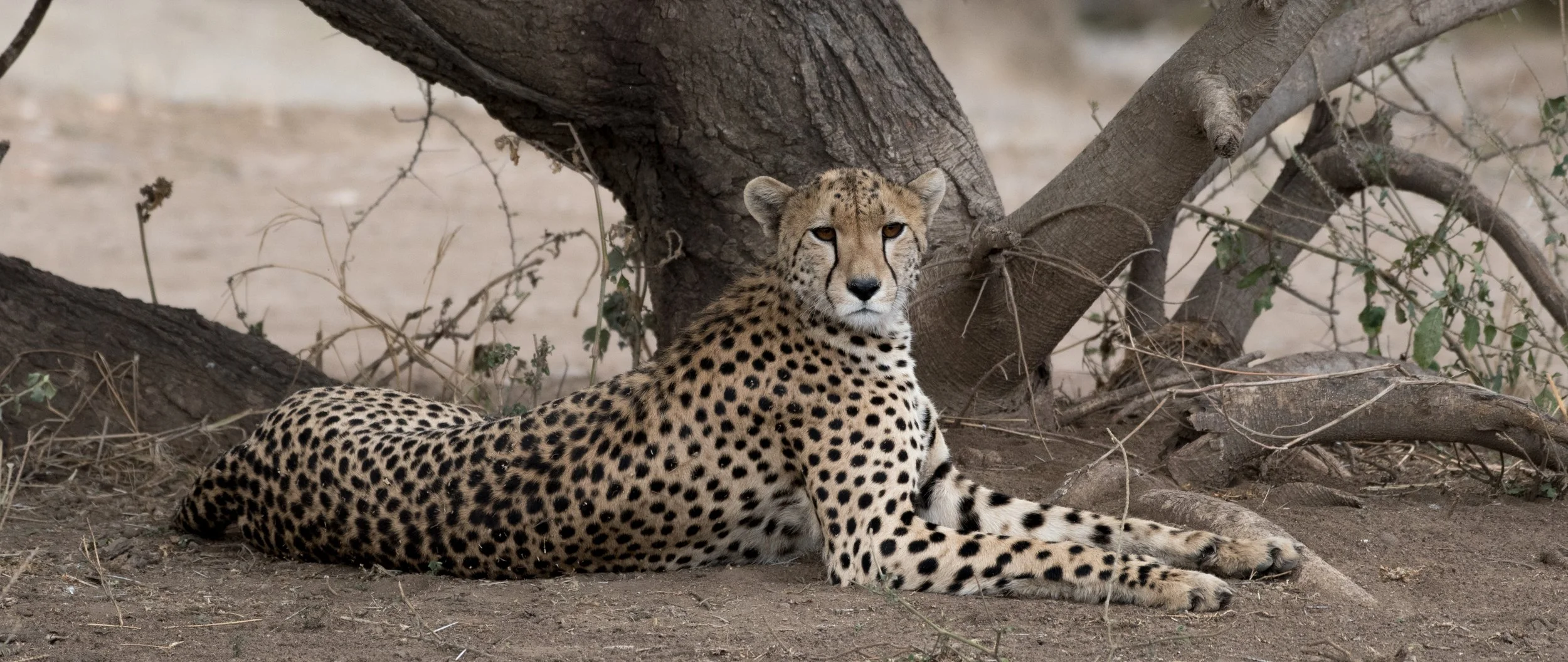
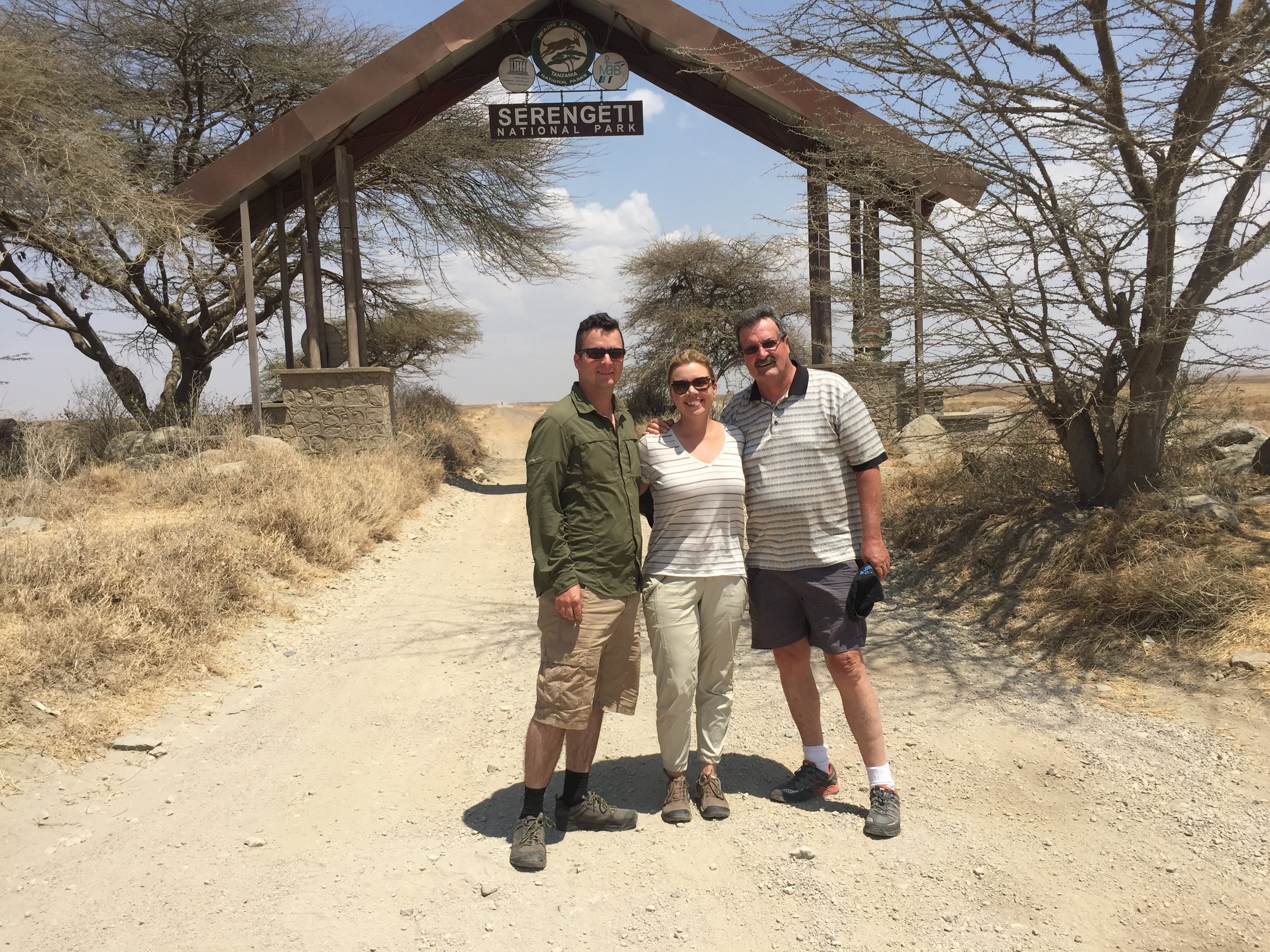
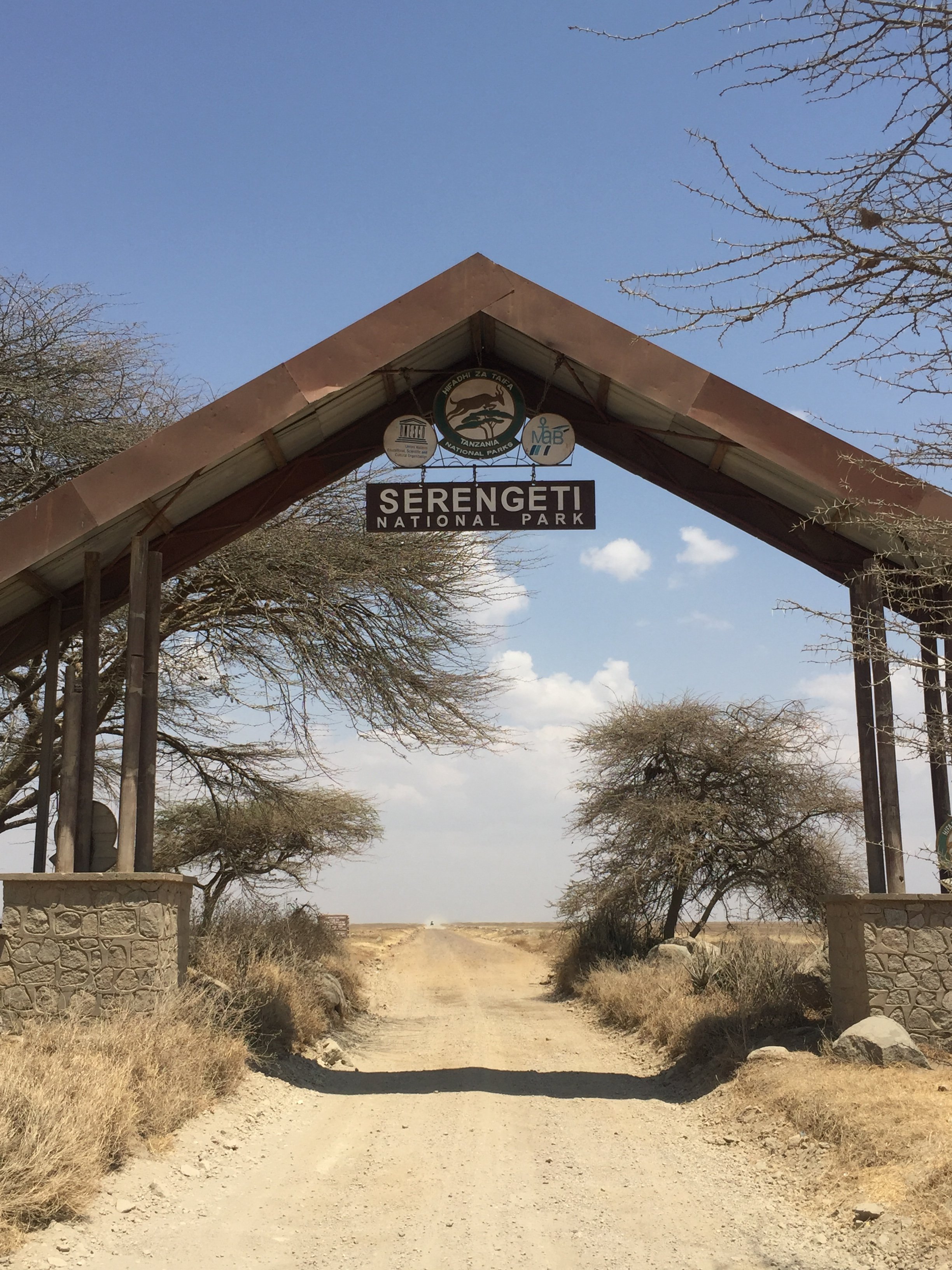
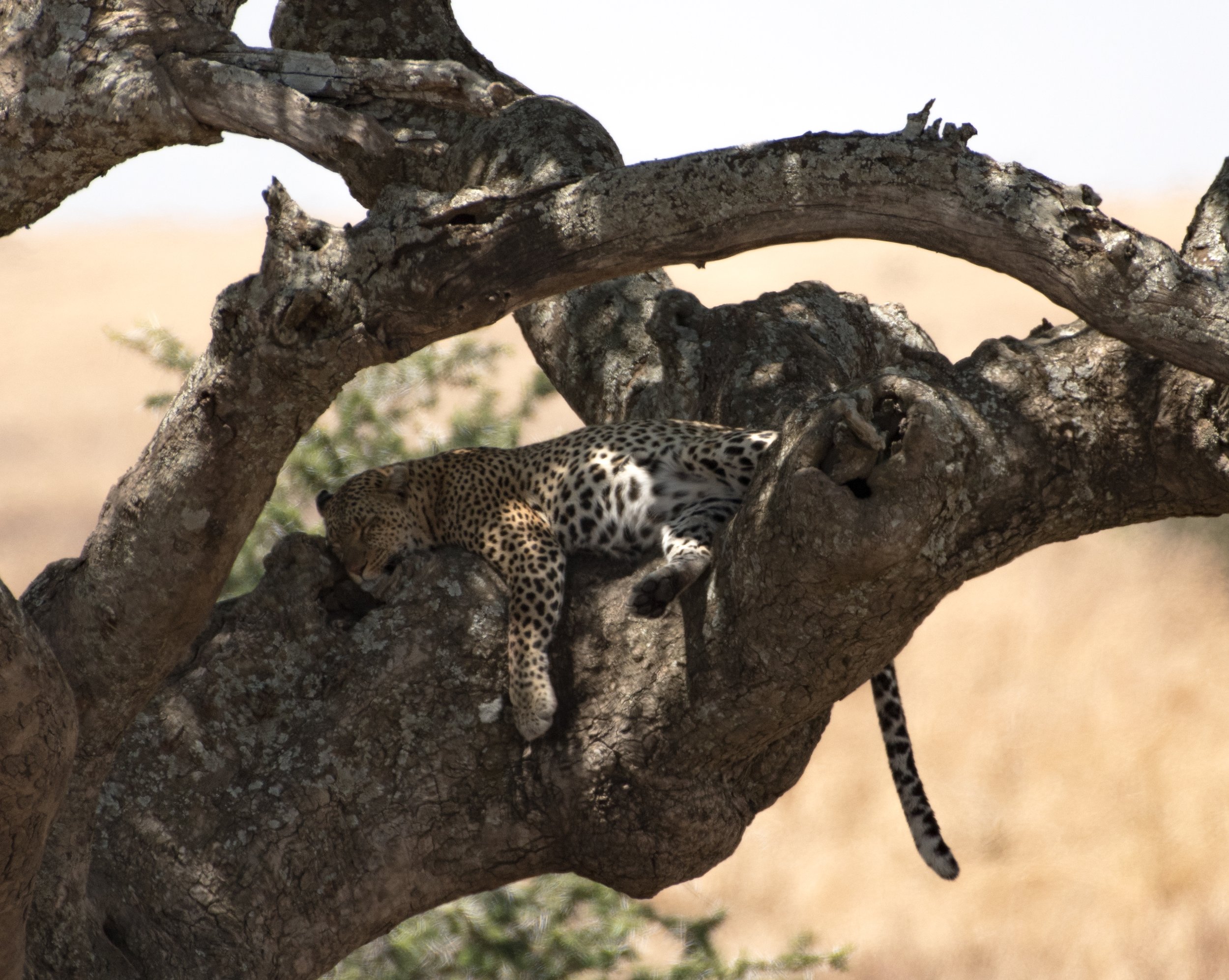
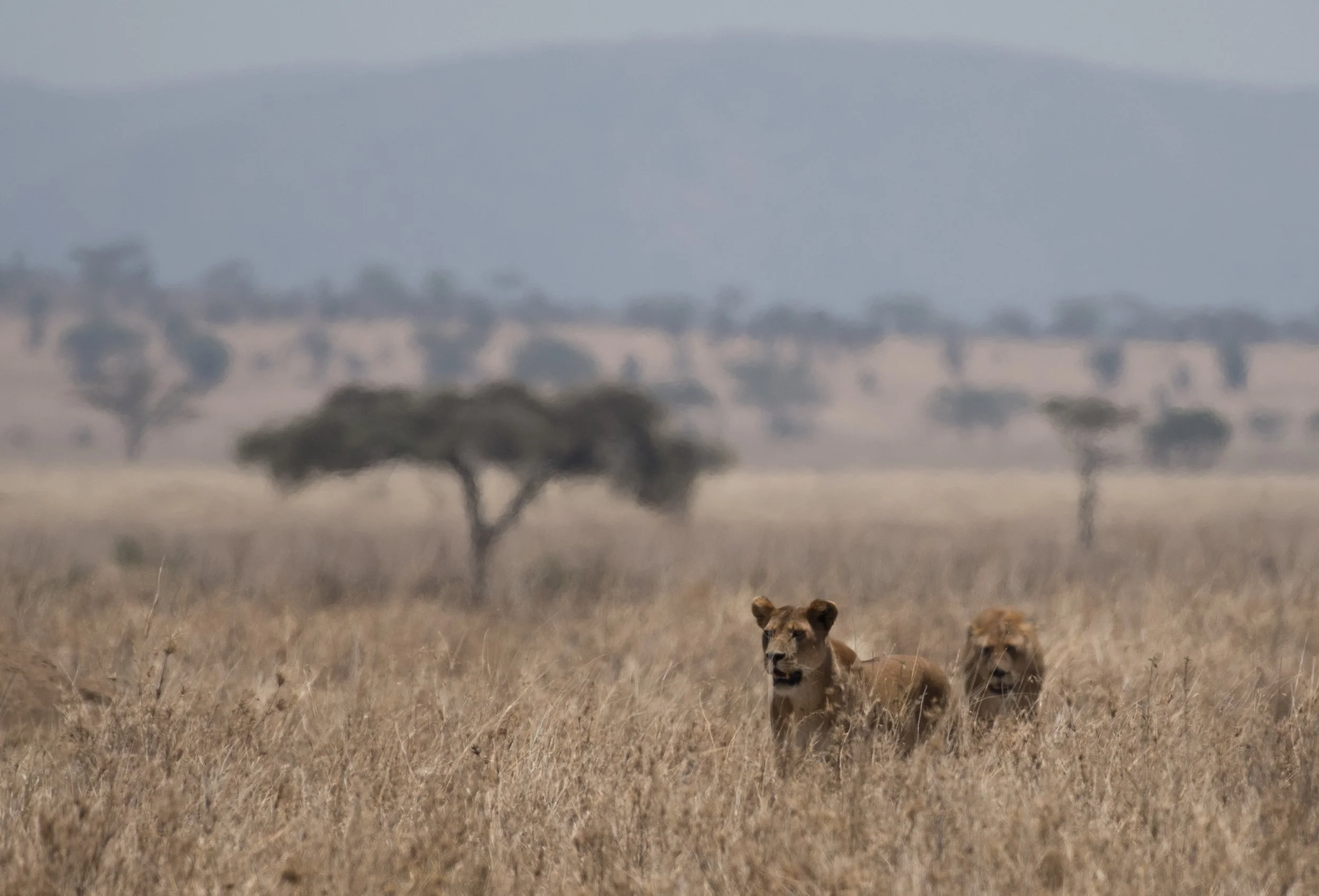
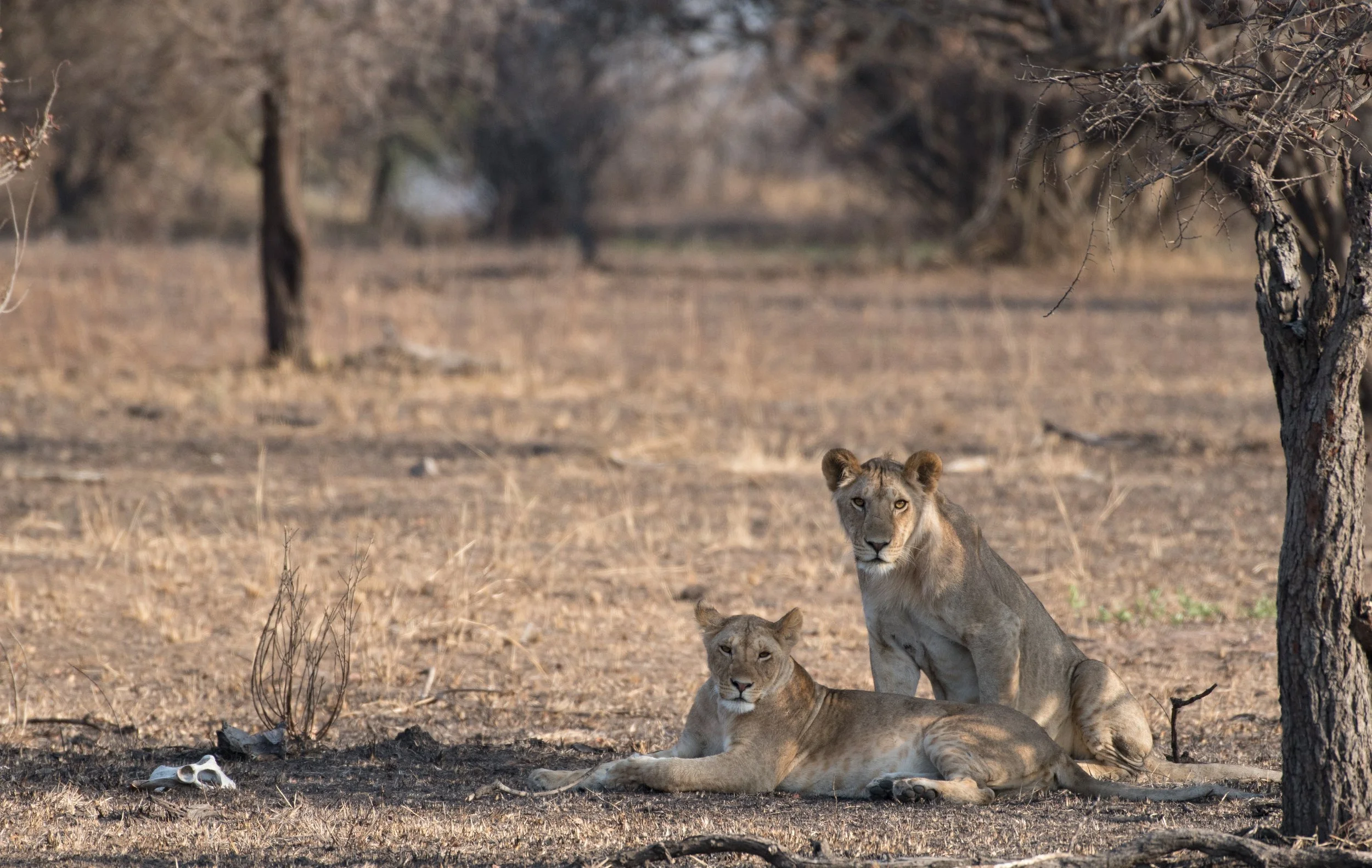
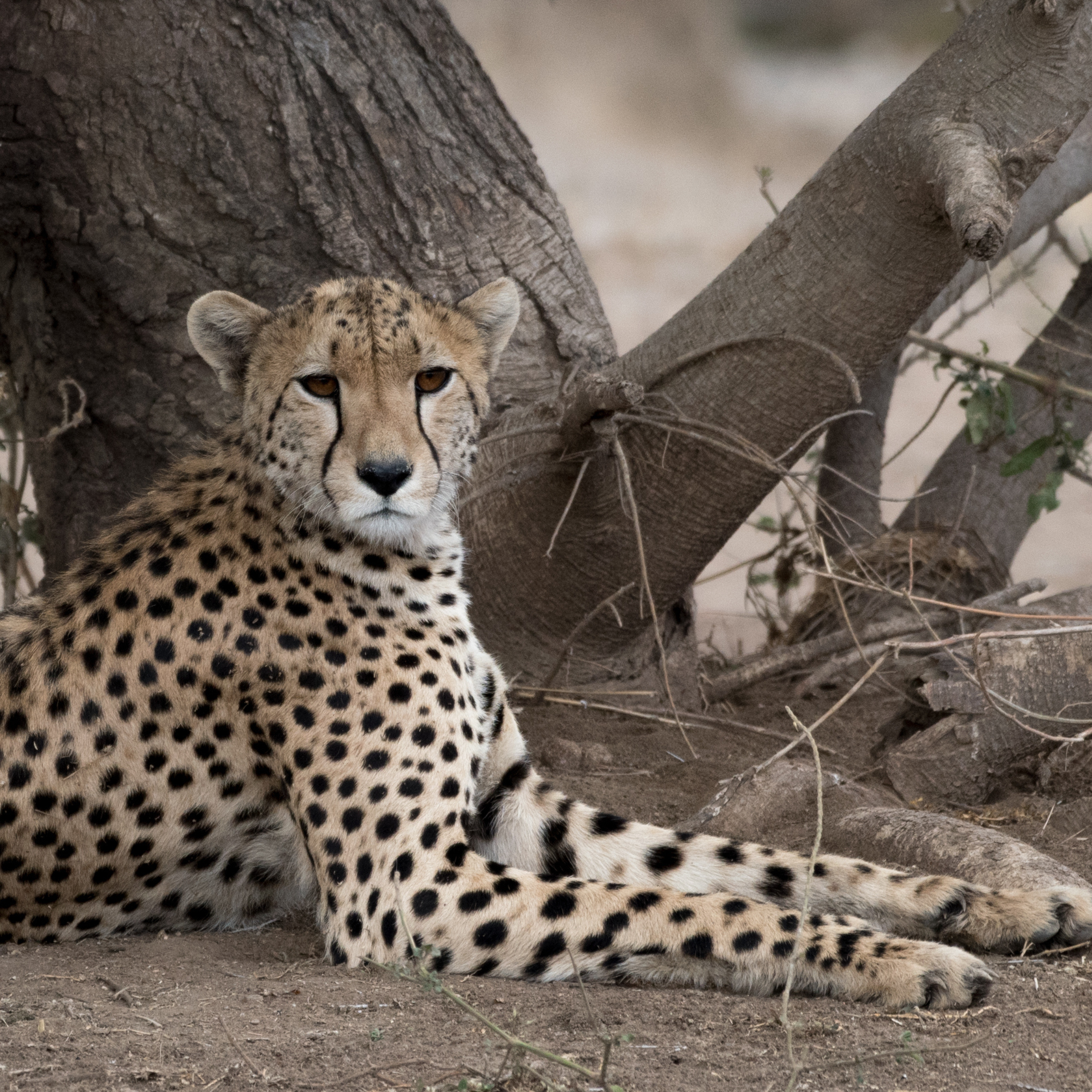
We entered the Serengeti and started a game drive. In the first hour: a cheetah under a tree, two leopards (one with a fresh kill up in the branches), and a male and female lion lying in the grass. We drove the road right past them. As we rolled by, the male turned his head and let out this enormous roar that neither Matt nor I was remotely prepared for. We both physically jumped. He then went back to lying in the grass, completely unbothered. The lion is boss out here and he wanted us to know it.
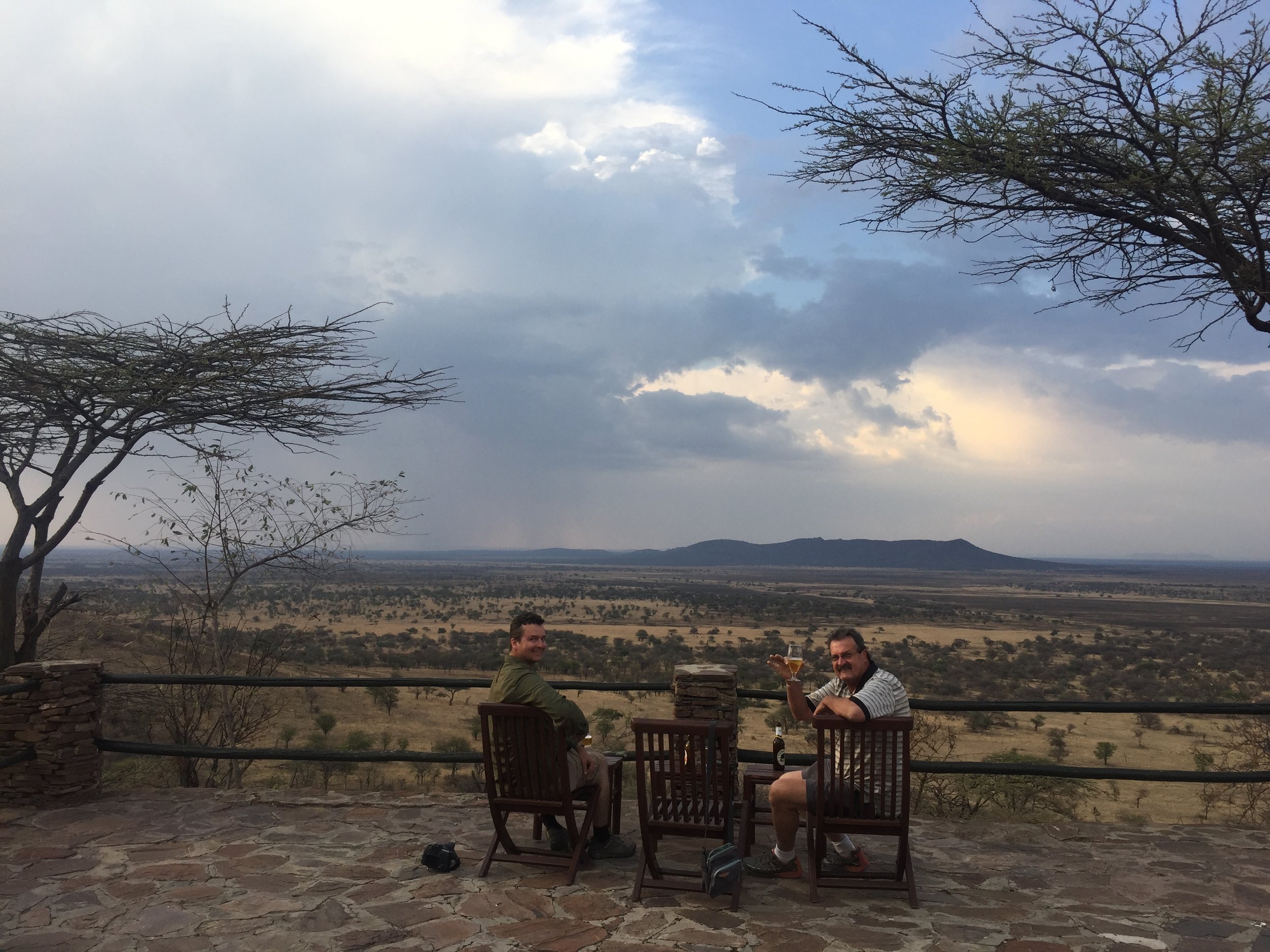
Rain came in that afternoon, first in months, so we shut the roof and headed to our lodge on top of a hill with a spectacular view. The buffet dinner was one of the better meals of the trip. Early night. We needed it.
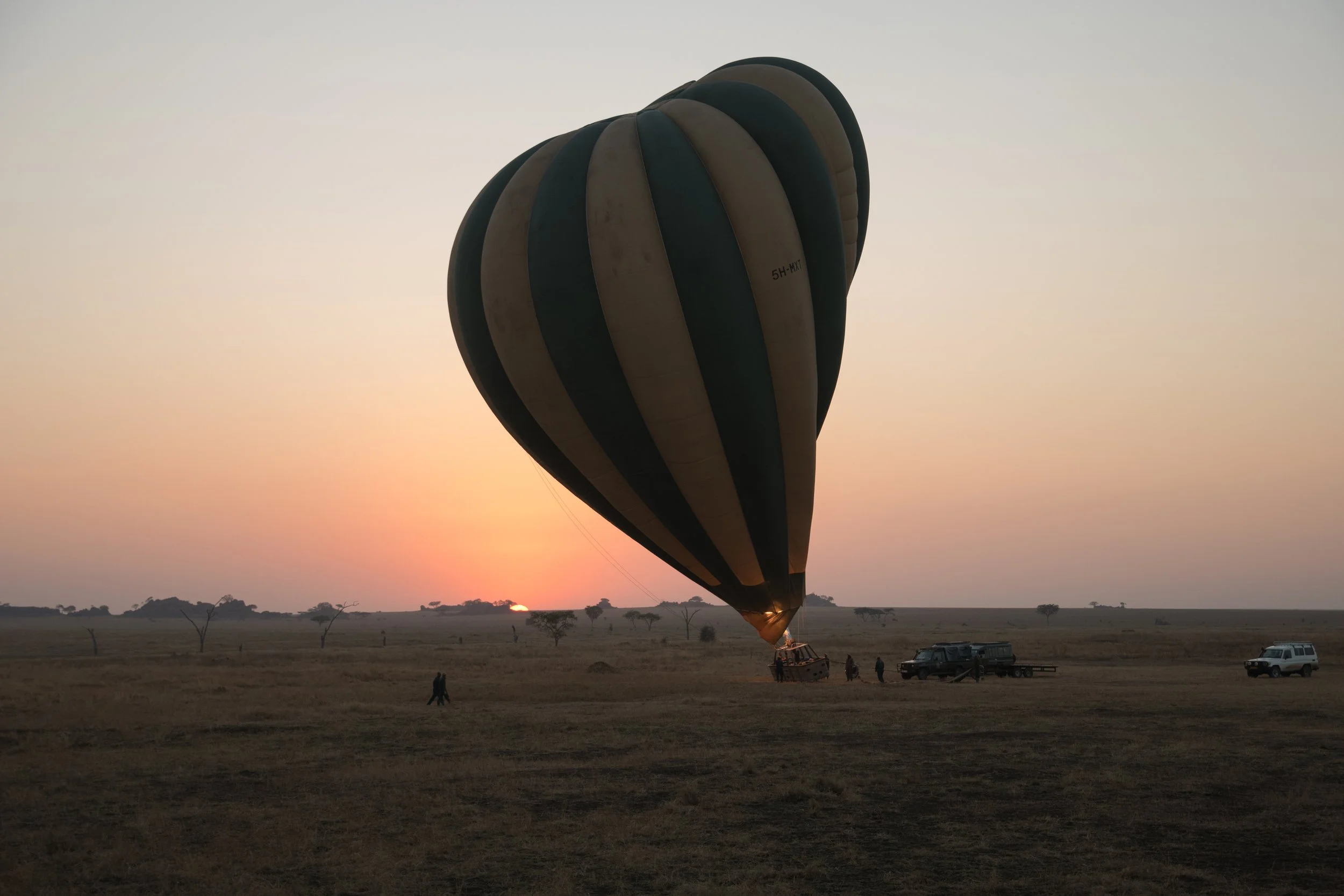
4am wake-up for the balloon ride. The drive to the launch site was dark except for full moonlight. I was half asleep staring out the window when I registered zebras on the road running right alongside the car headlights. Just running, not getting out of the way. My brain briefly forgot where I was, then remembered. That keeps happening here and it never gets old.
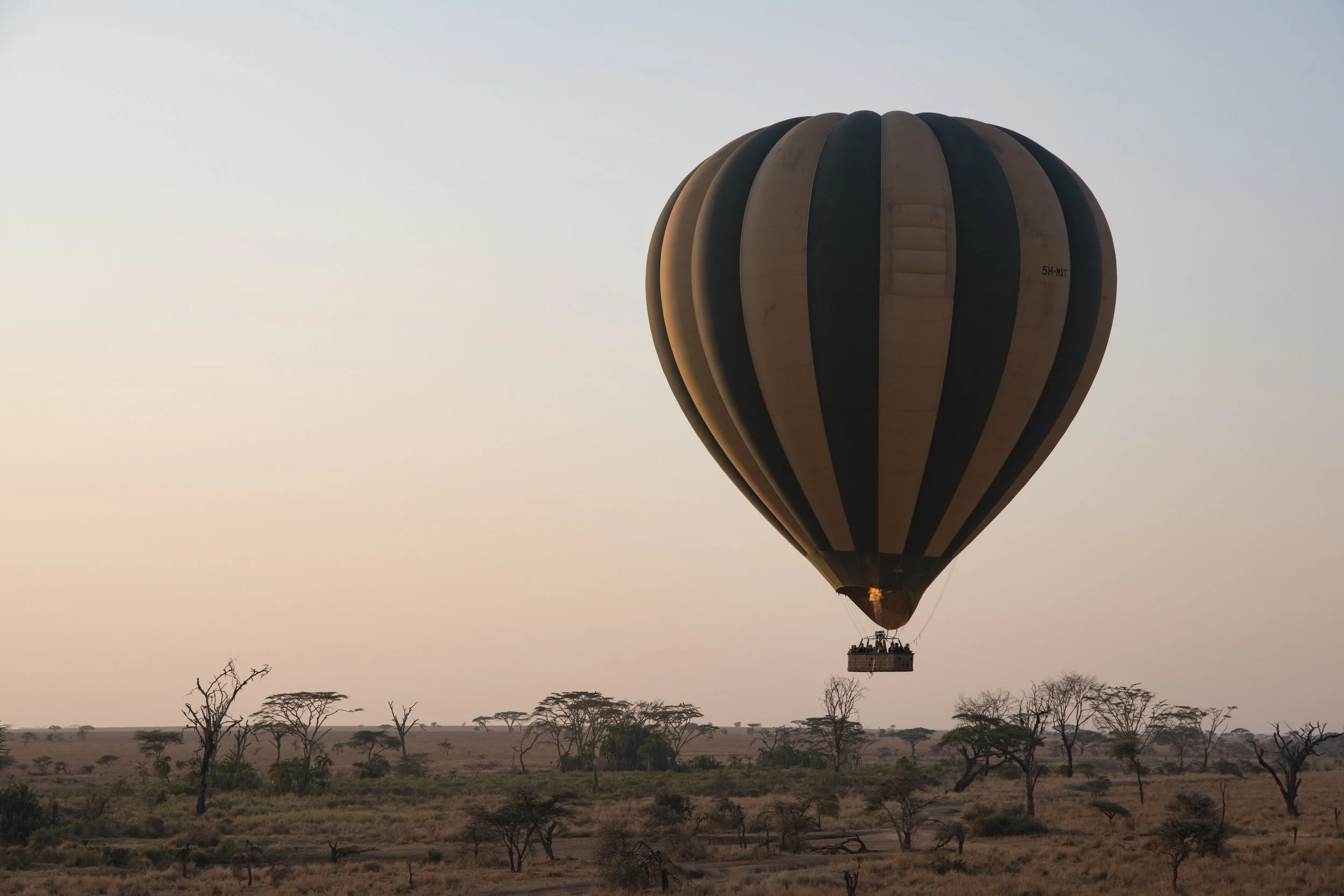
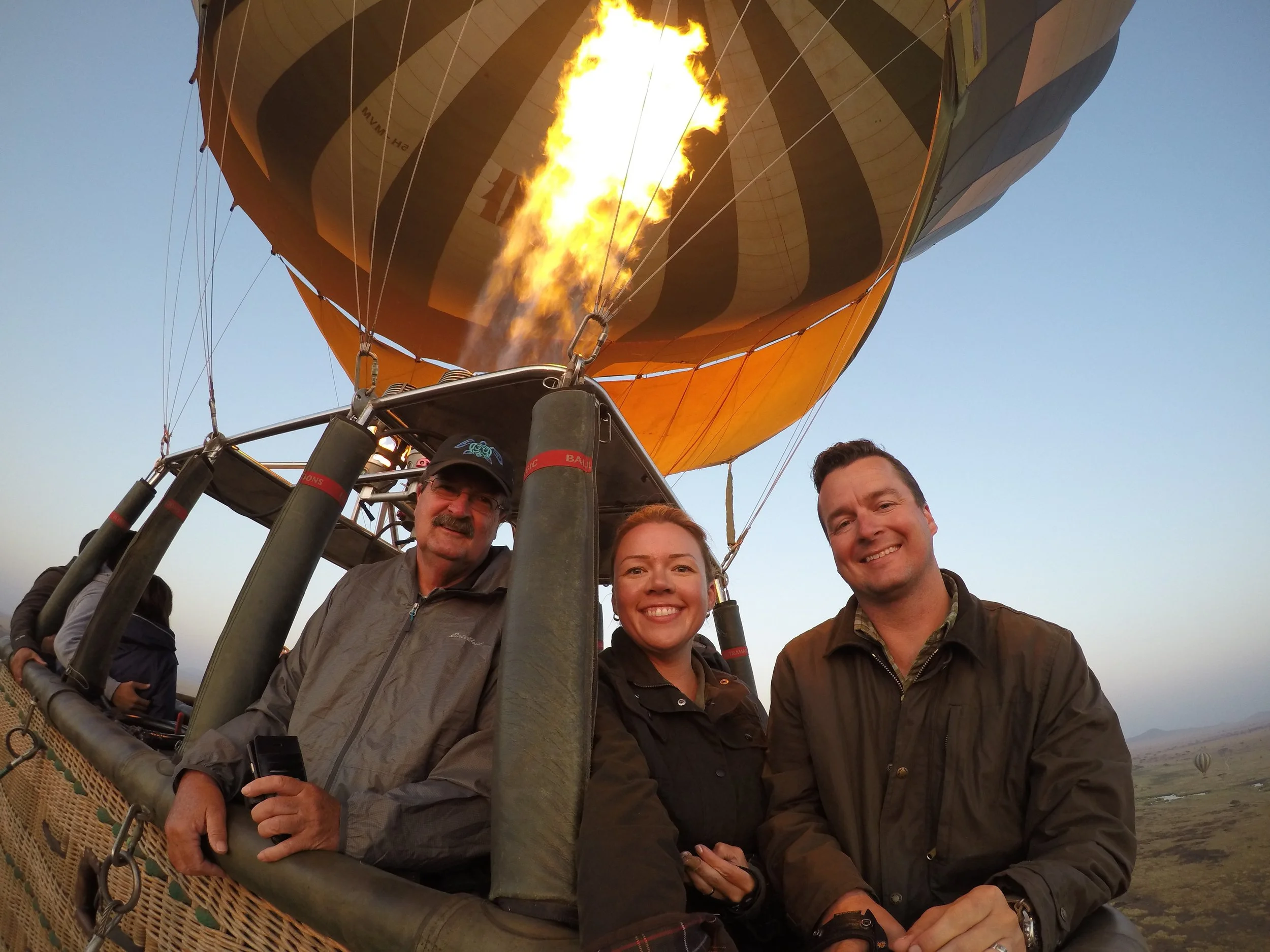
Captain Frank was our pilot. Canadian. We climbed into the balloon basket astronaut-style, lying down to swing your legs over, which is its own adventure. And then we were lifting.
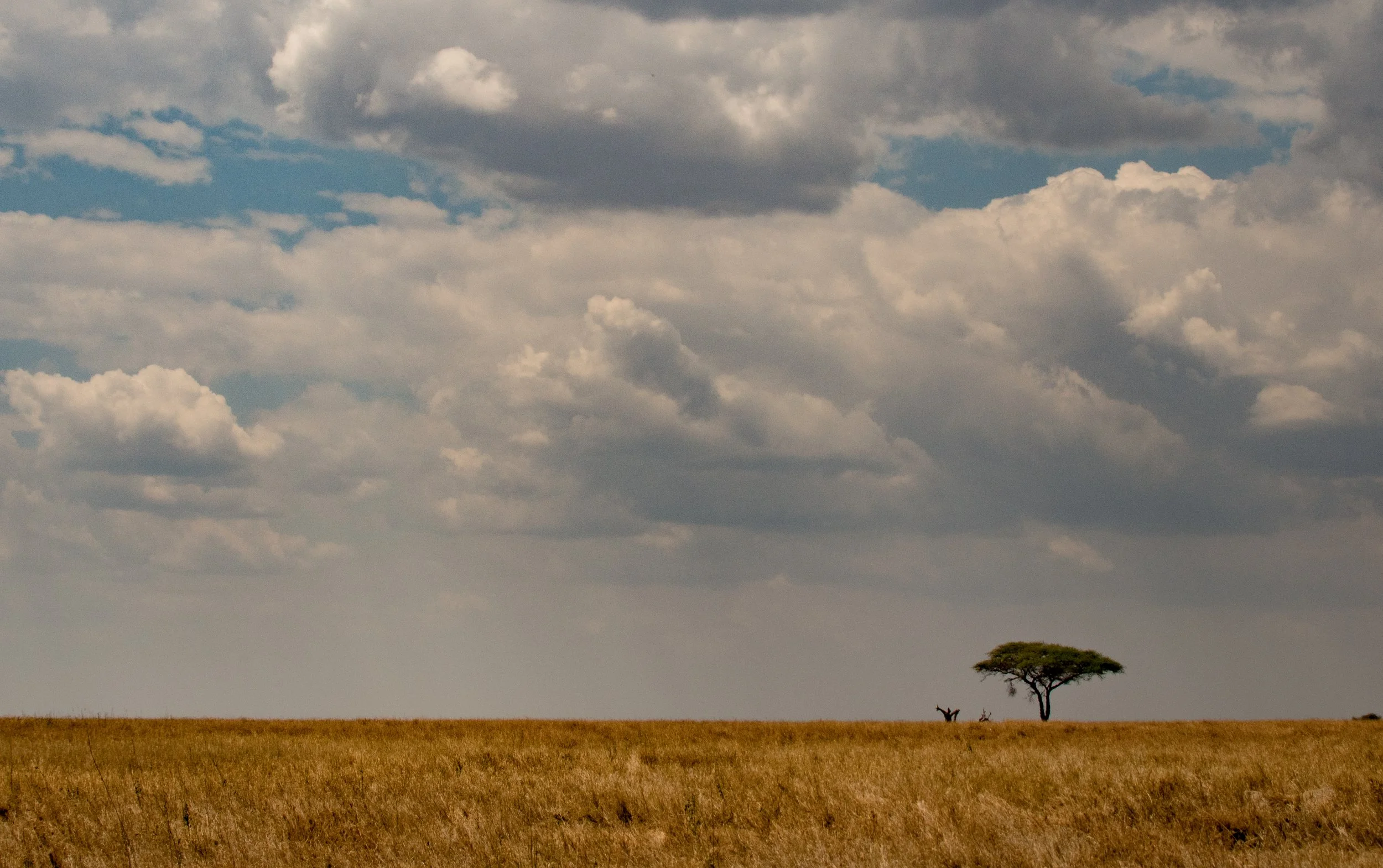
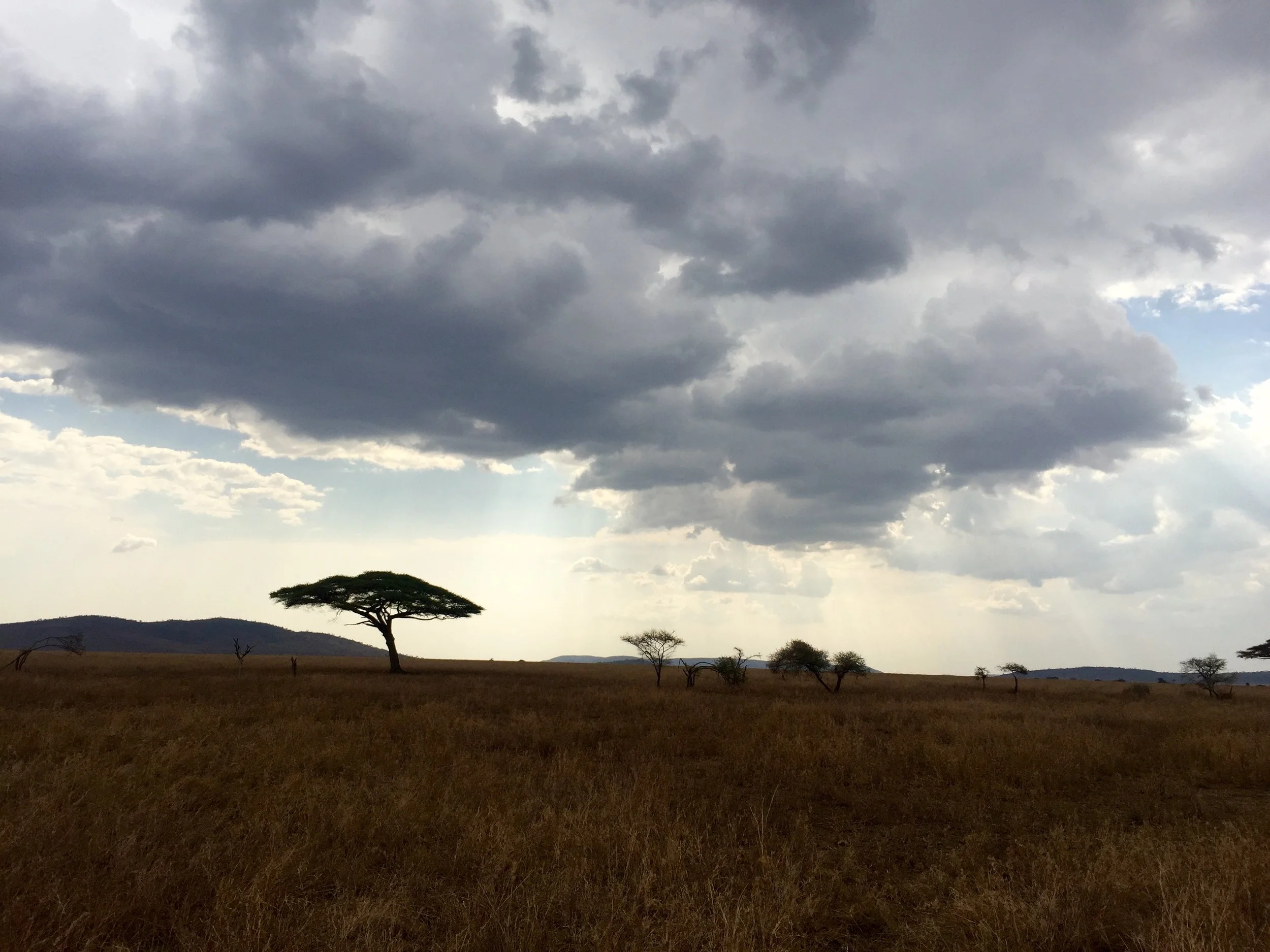
I'm going to struggle to describe this adequately. Floating silently over the Serengeti at dawn, watching the light change the landscape from grey to gold, understanding for the first time just how vast and untouched this place actually is... it felt like the answer to a question I didn't know I'd been asking. "Life at its best," I wrote in my notes. "This is why I live. This is why I travel." That sounds dramatic and I mean it exactly.
The landing was not elegant: we hit the ground, dragged, lifted back up, several more bumps. Then we drove to meet the other two balloon groups for a champagne toast, a tradition with a history Captain Frank explained and which I've since forgotten but which was interesting in the moment. Breakfast followed in the open bush, sitting outside in the morning sun. Well executed from start to finish.
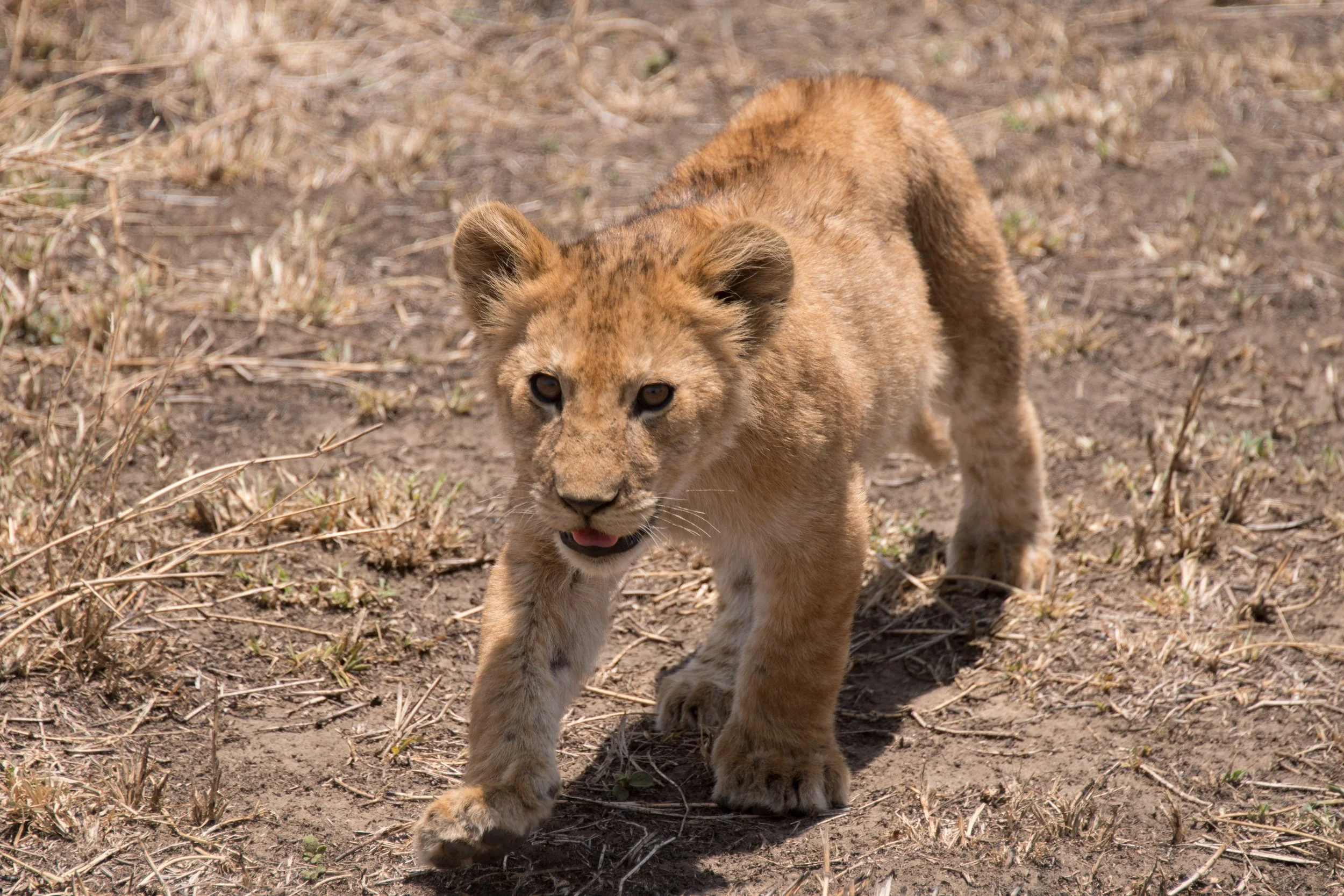
That afternoon Babenga found the same two leopards from the day before and then a full lion pride on the move: females and three cubs impossibly small and adorable, just trotting along with the group. We watched them for a long time.
For the last two nights we moved to Kirowira camp in the western corridor. This is what I'd imagined when I first pictured going on safari. Glamping in the proper sense: large canvas tents on elevated wooden decks, closets that look like old travel trunks, floor-to-ceiling wooden vanity in the bathroom, a lounge tent with a phonograph and upholstered chairs and a telescope and a fire pit. 1930s and 40s aesthetic. The kind of place where you keep half-expecting Robert Redford and Meryl Streep to appear over the next hill. We arrived to cold champagne and the best fresh-squeezed orange juice any of us had ever tasted.
The western corridor had been hit hard by drought, so wildlife was sparse. What we did have was the tsetse flies of the western corridor, which were somehow worse than Tarangire. Babenga was trying to outrun them and they were chasing us in his side mirrors. From the back seat I could see Matt and Tom swatting and stomping up front while Babenga sprayed and smashed. I had to pause and laugh. There is literally nothing you can do about tsetse flies except accept them and use some words you'd rather not. They do bring out some very unladylike language though, for the record.
That evening the staff surprised Tom with a birthday cake and serenaded him in Swahili. A wonderful way to celebrate 70 years on this earth.
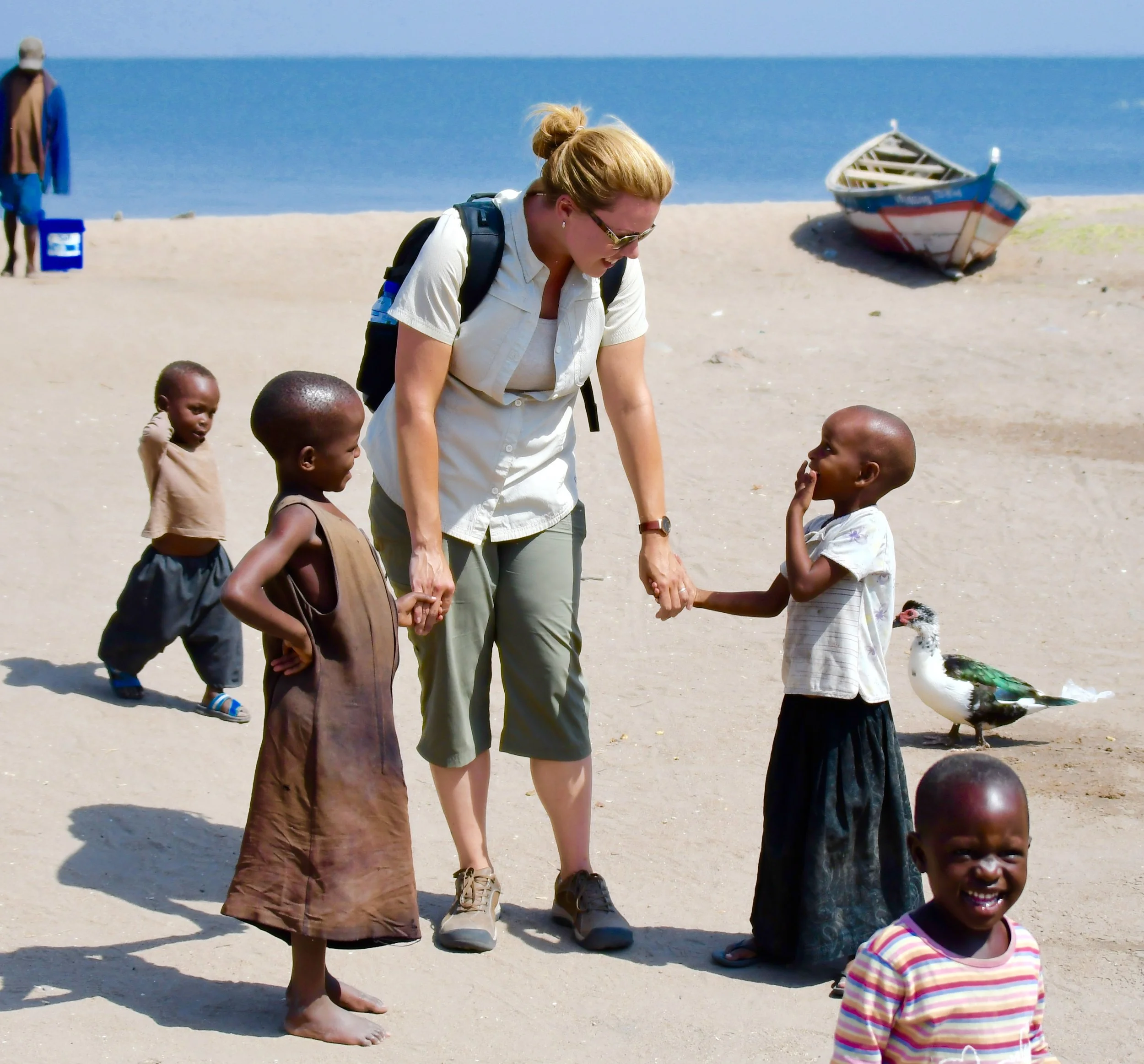
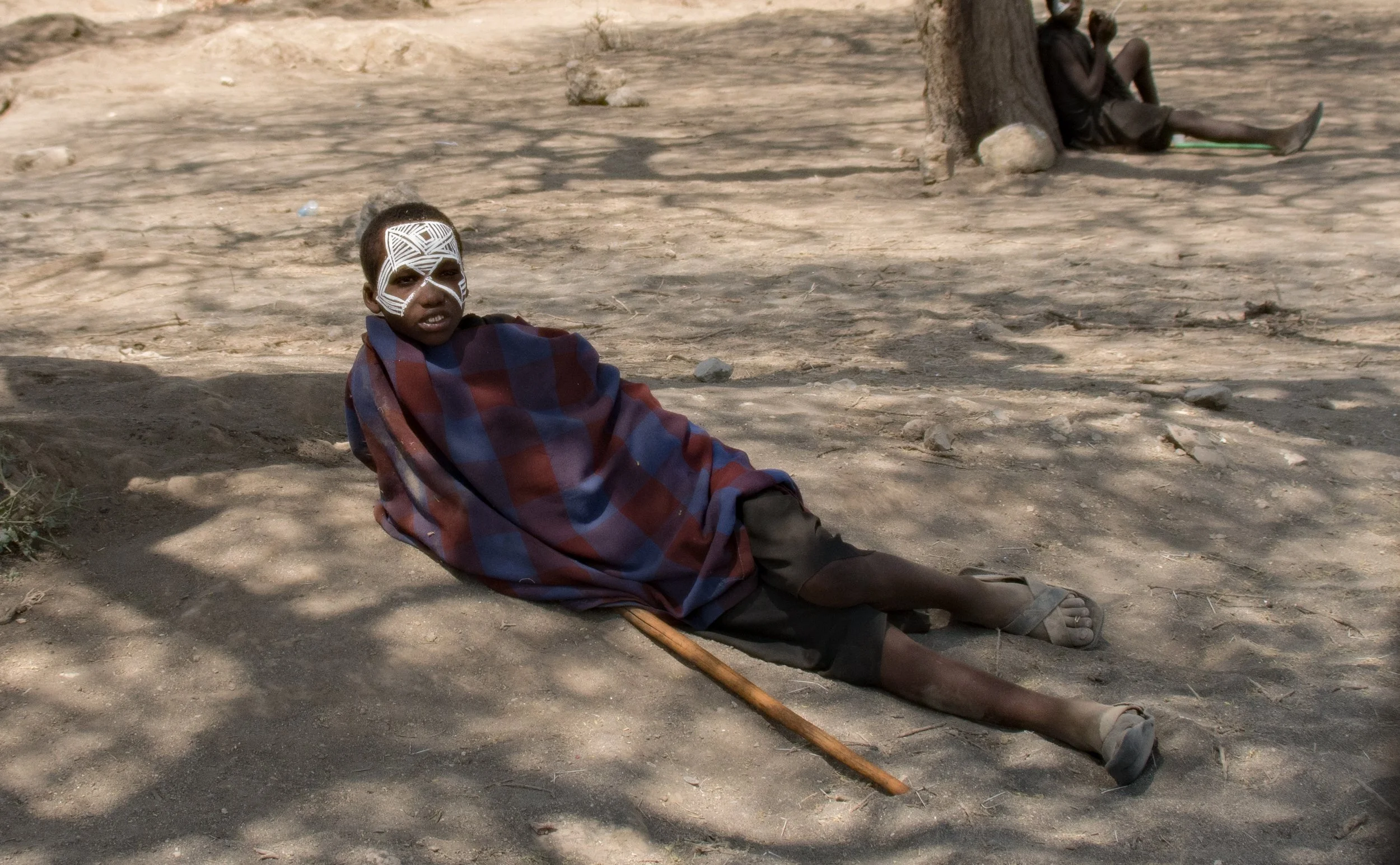
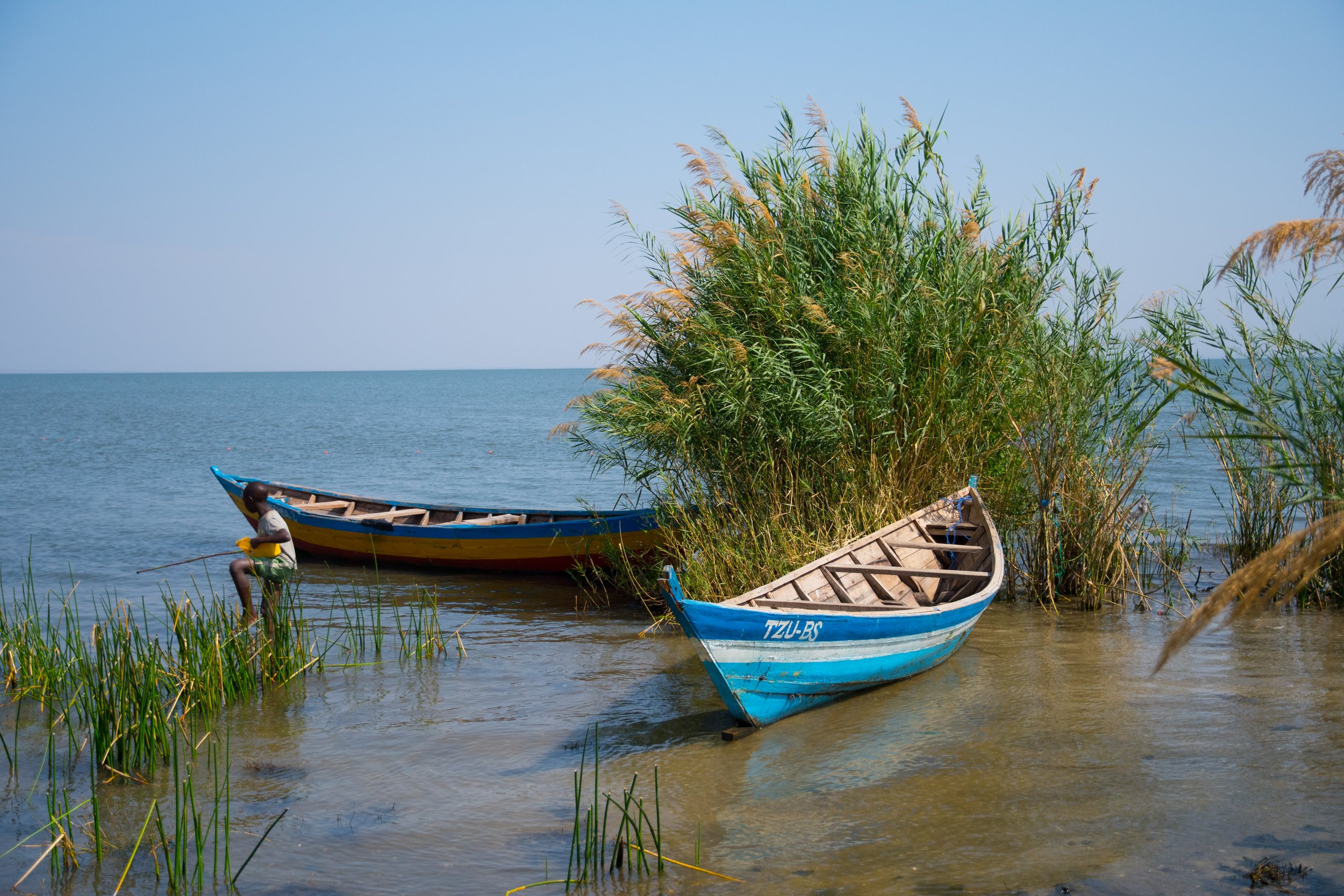
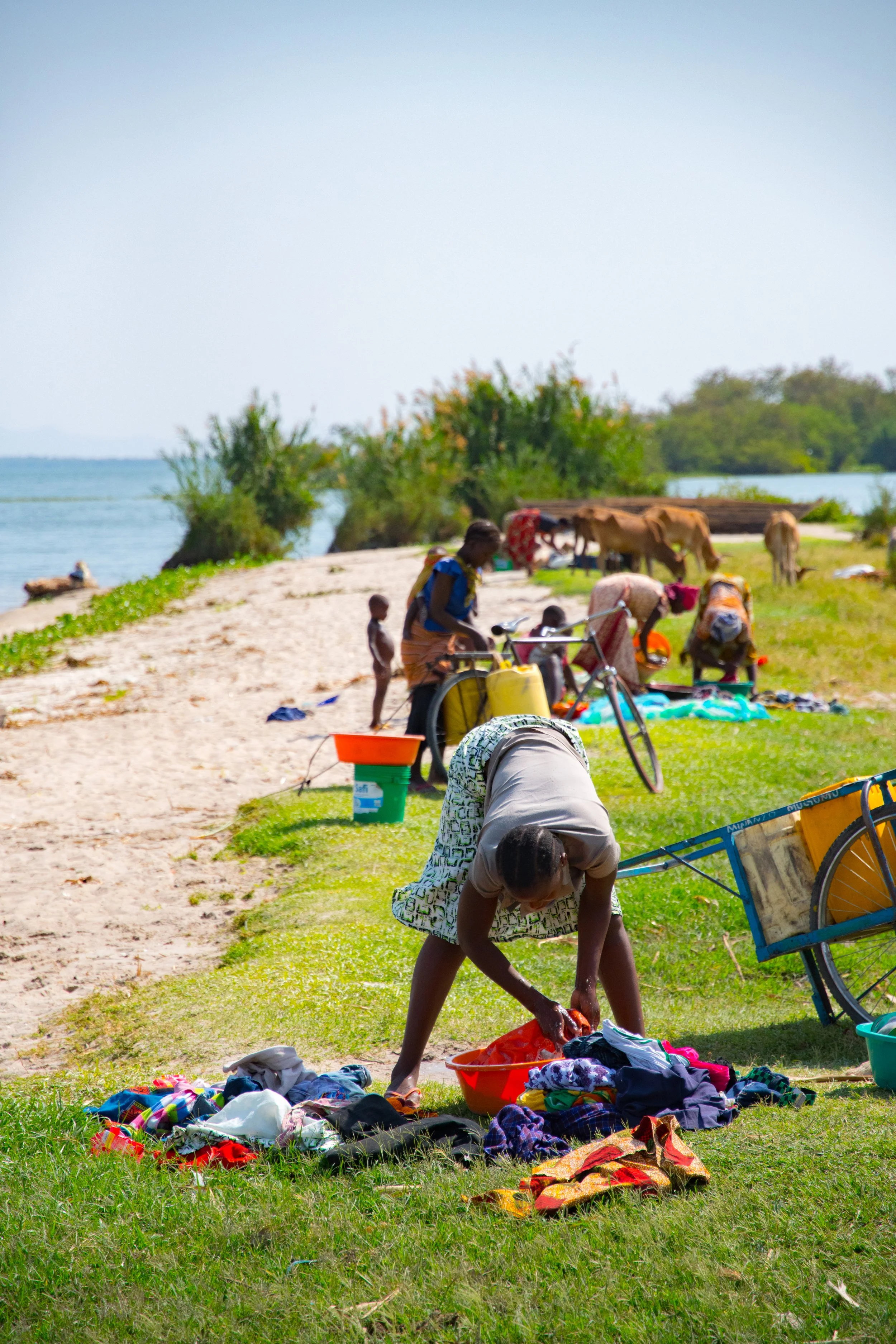
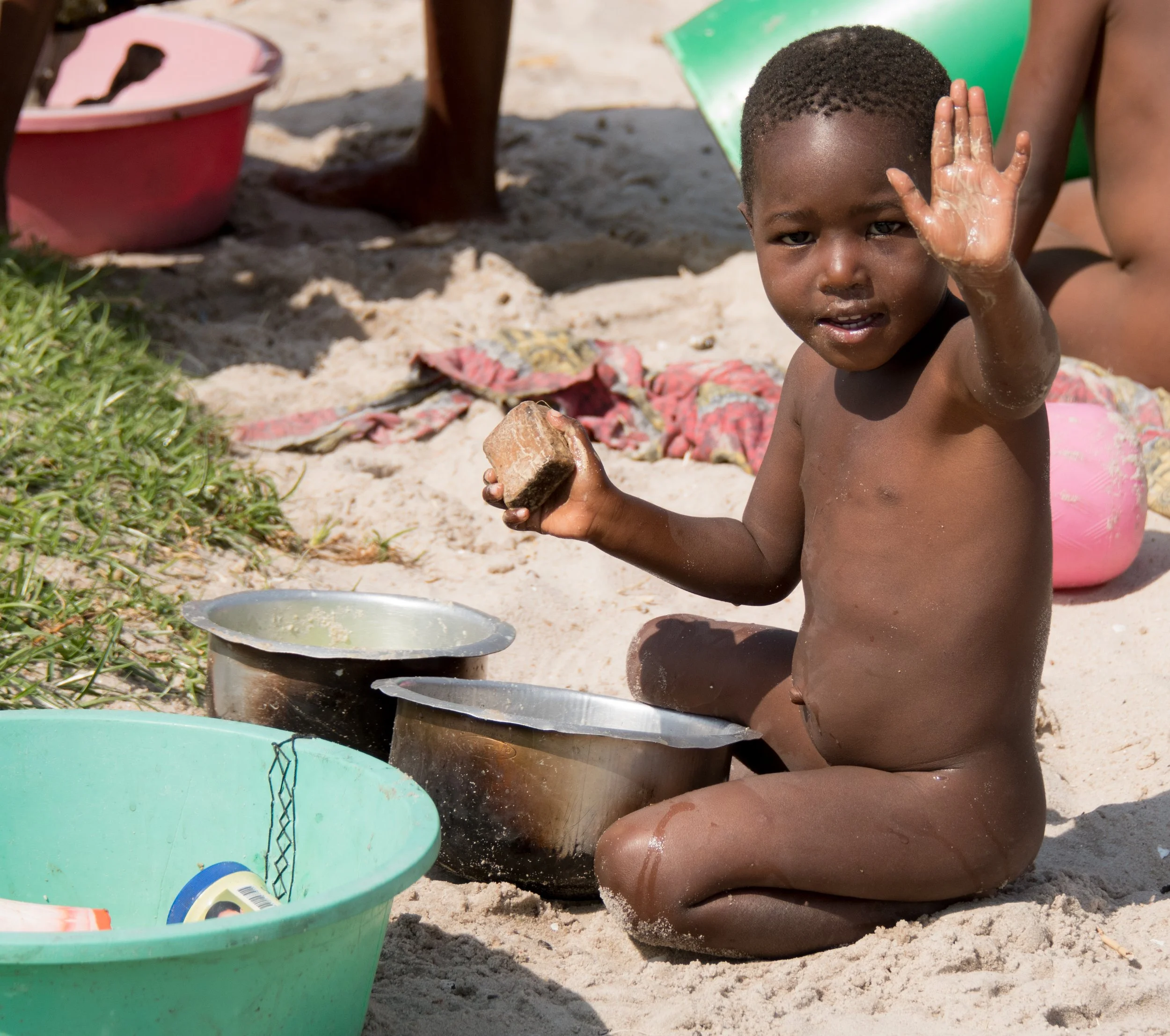
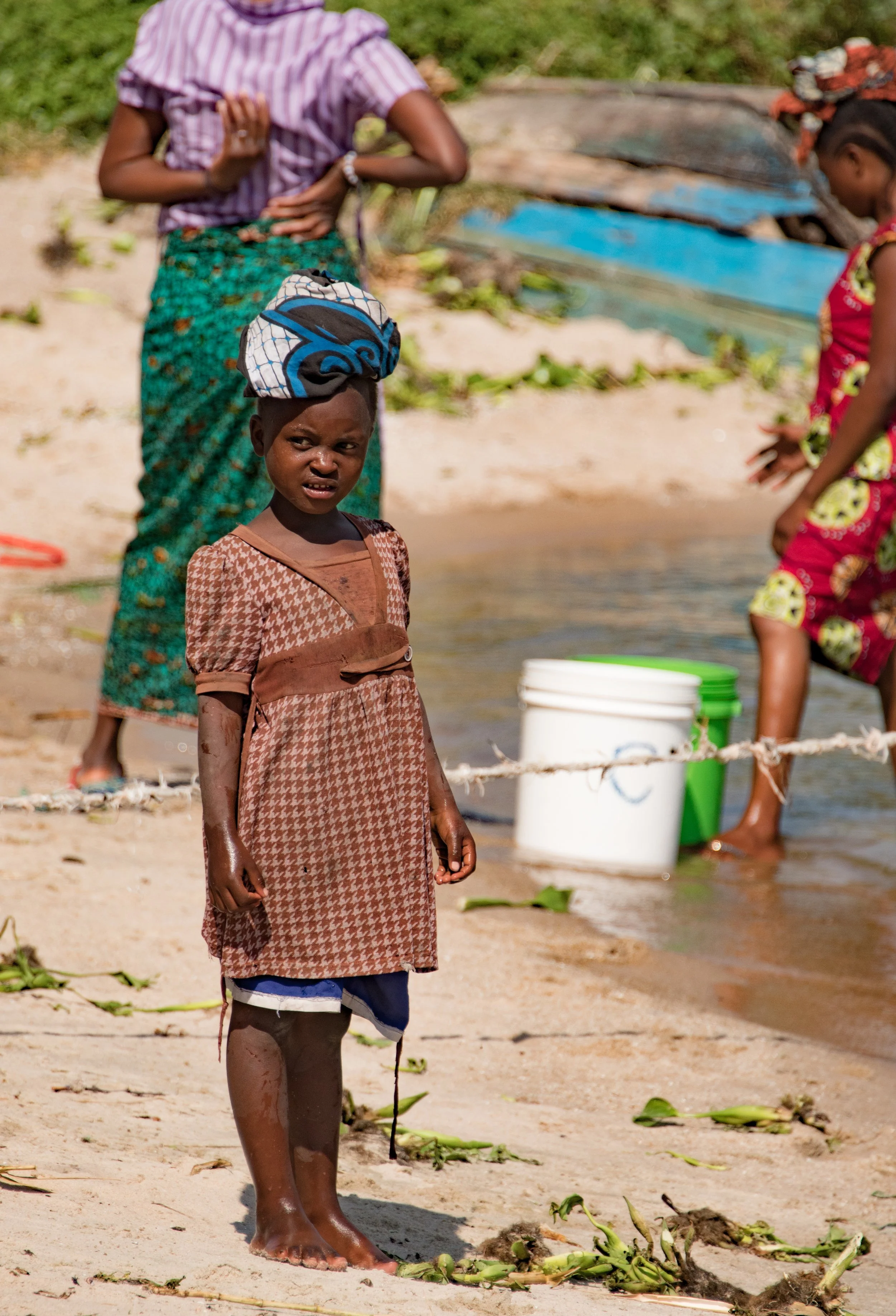
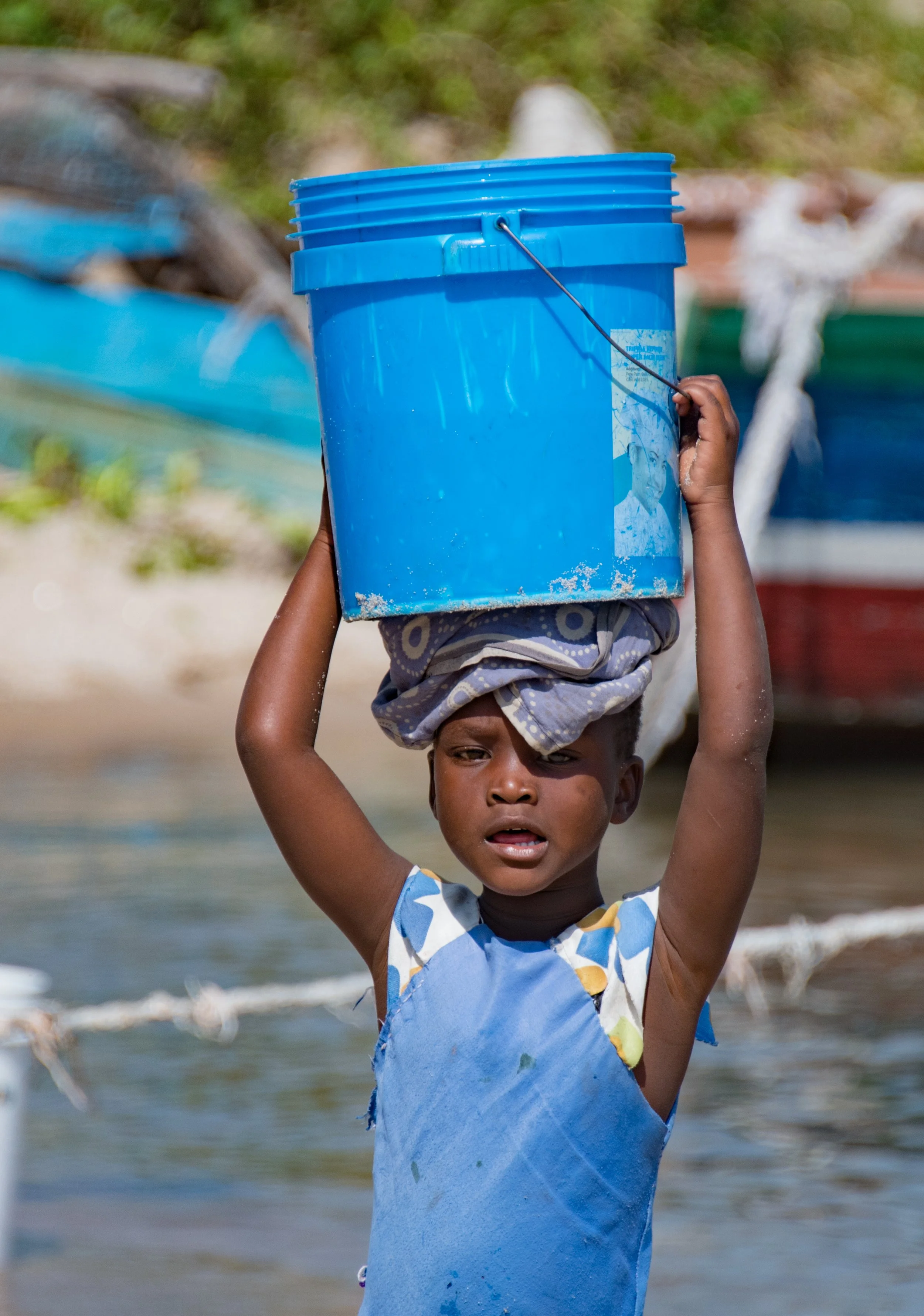
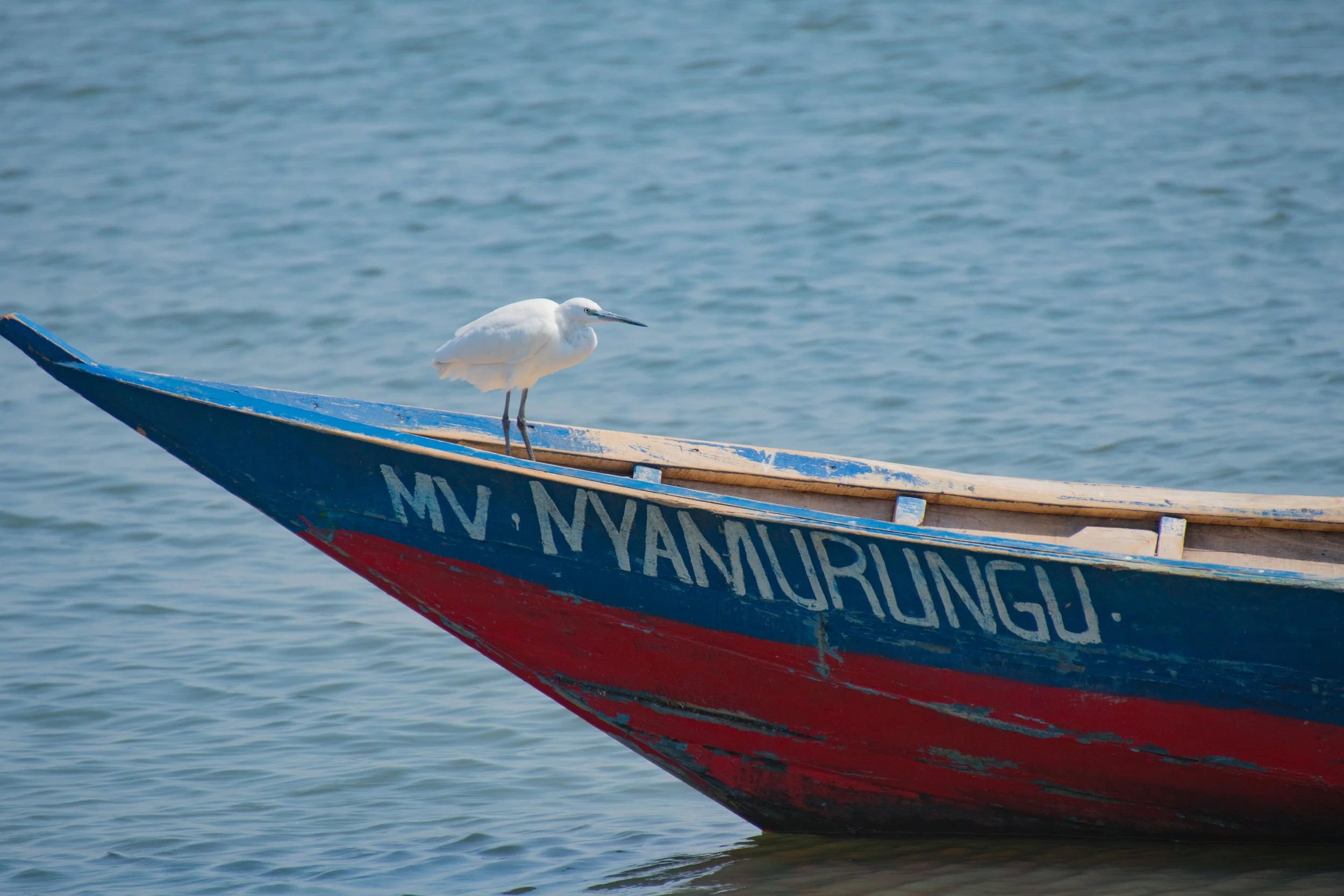
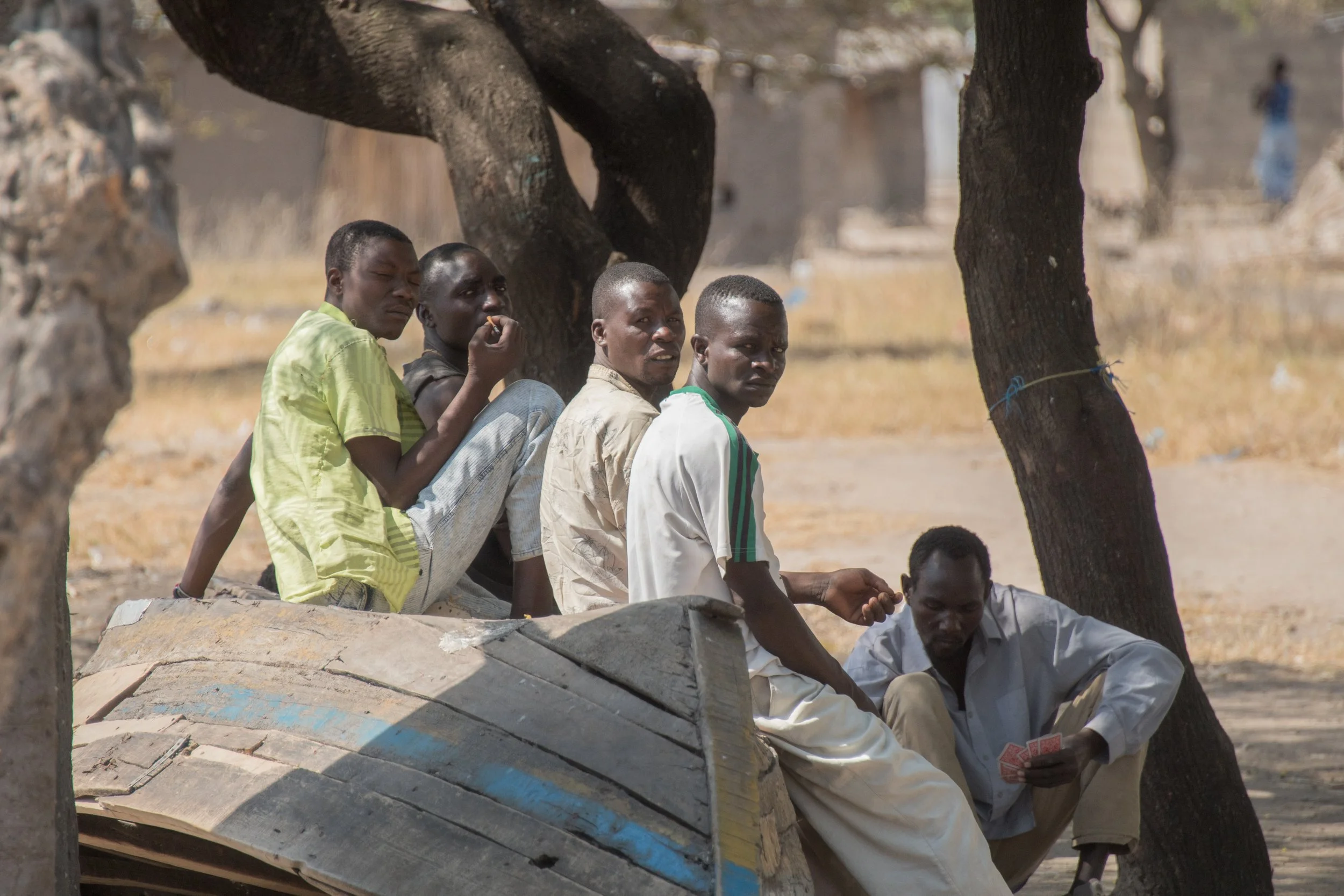
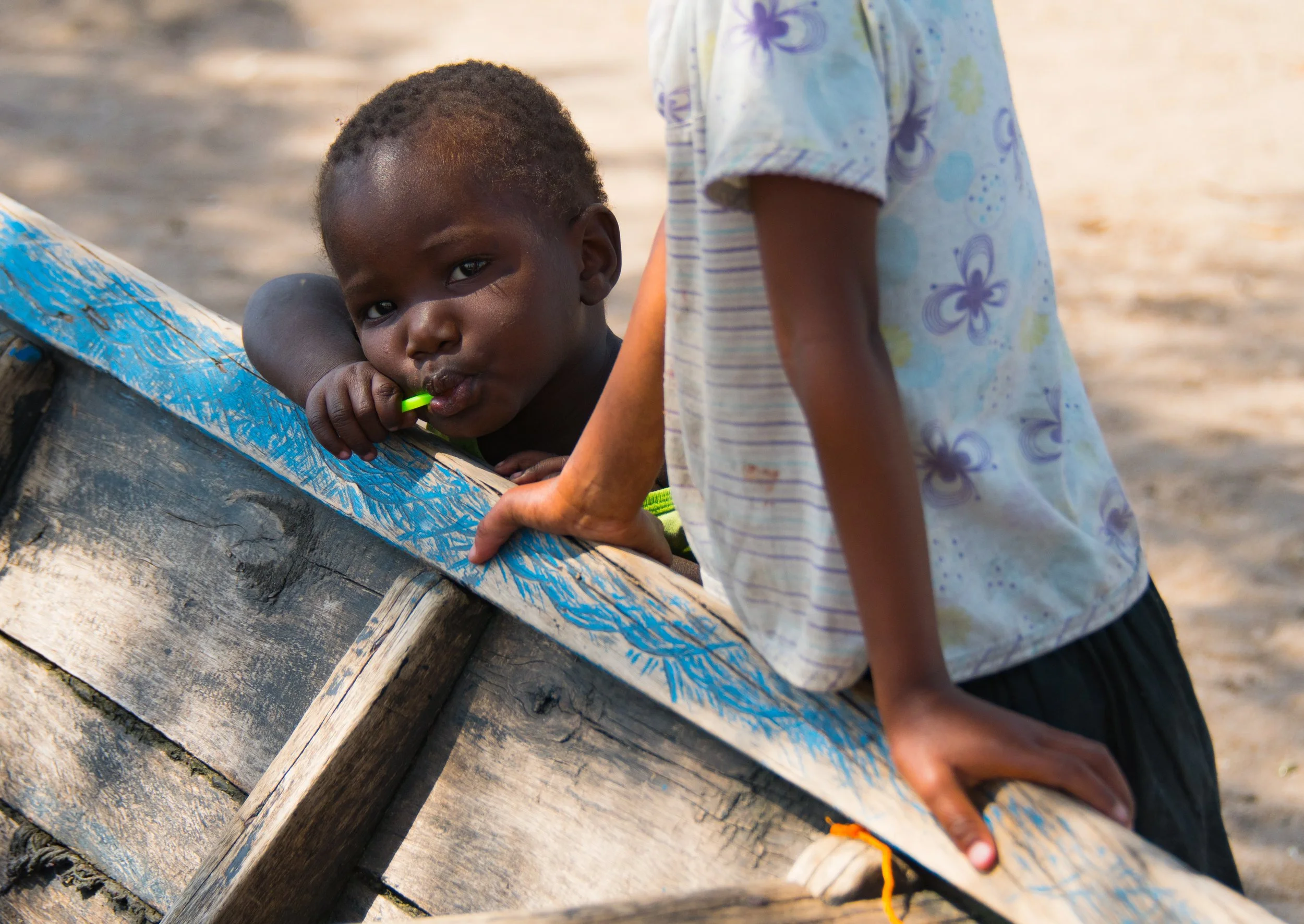
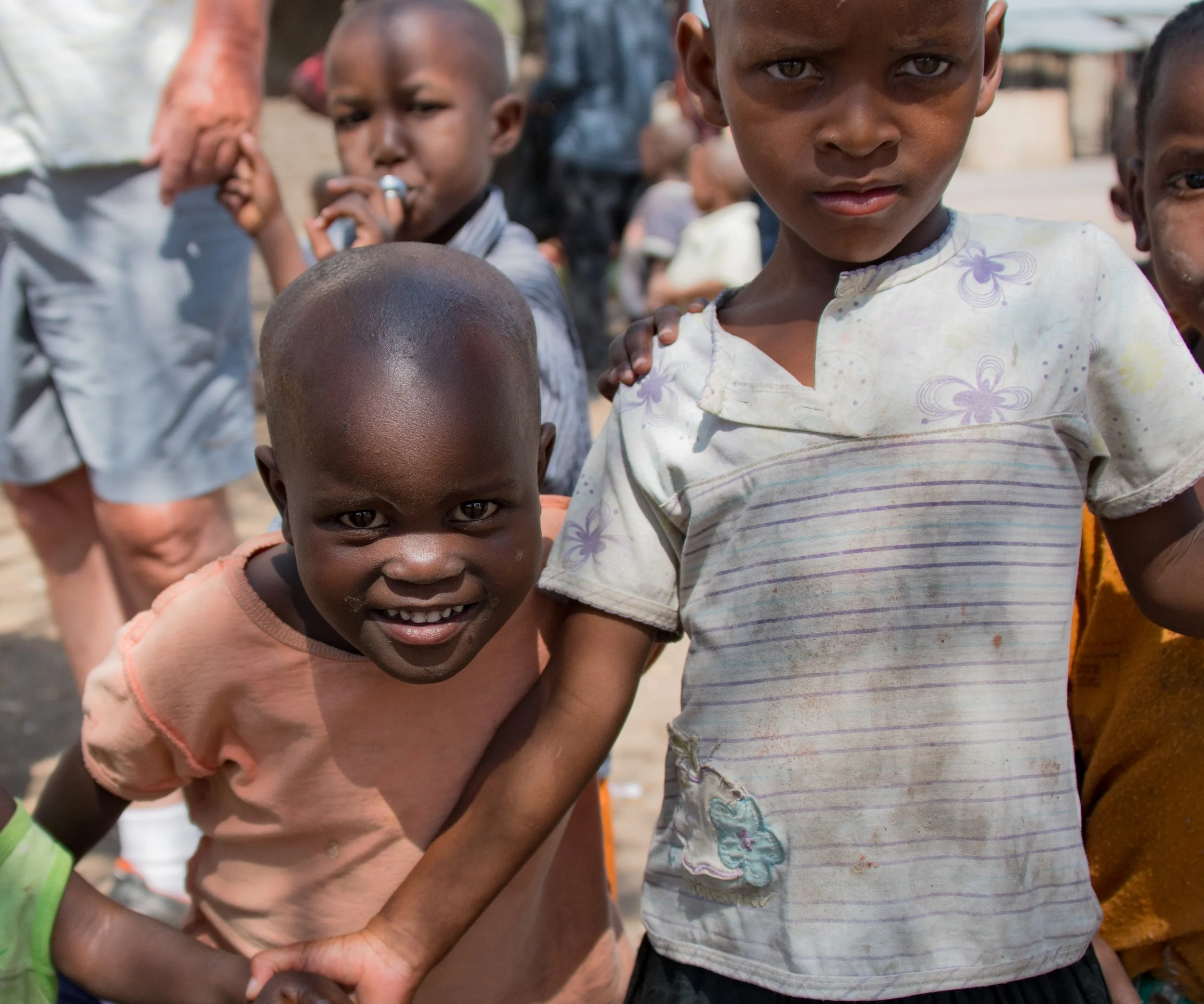
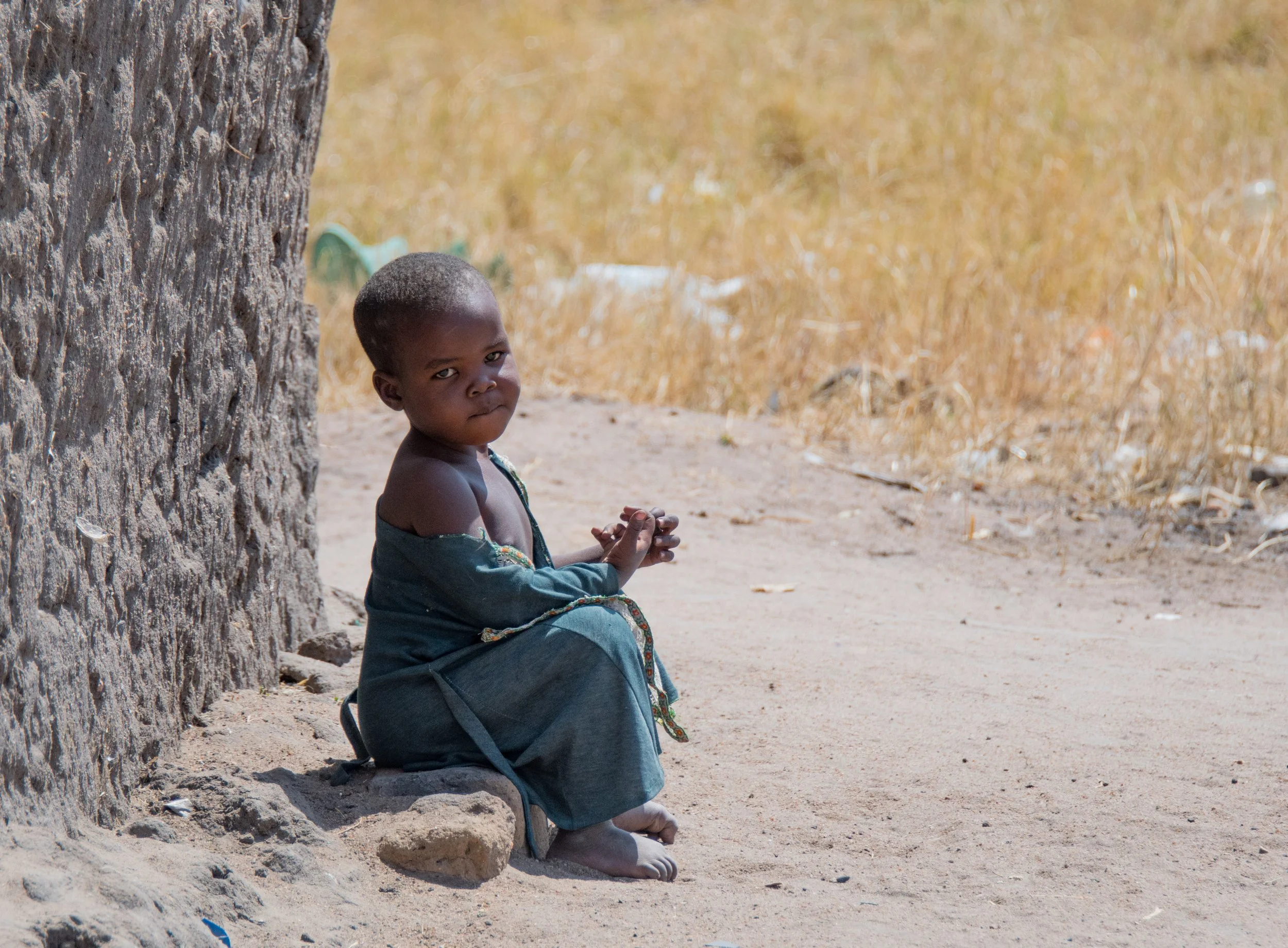
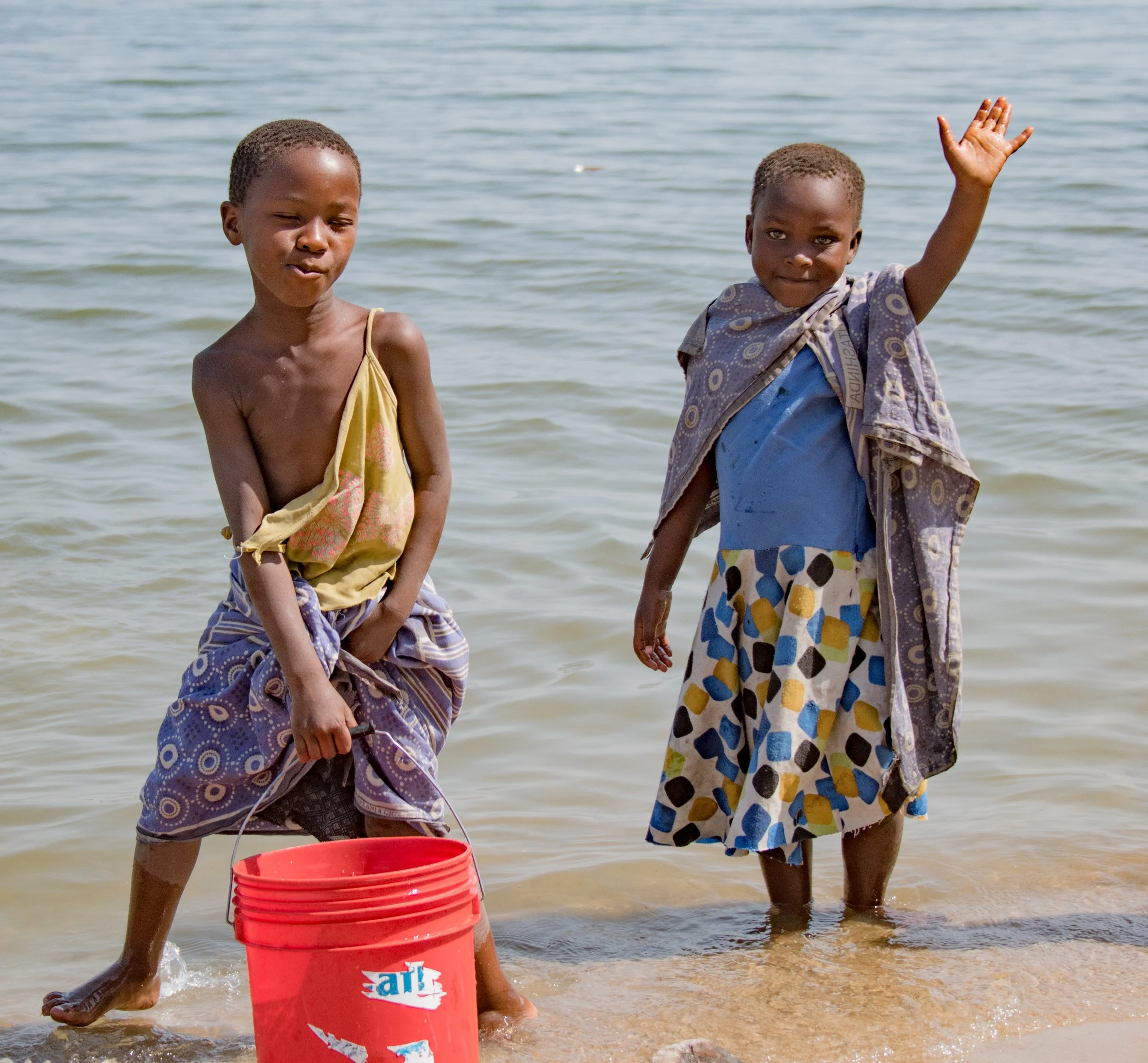
Our second-to-last day: we exited the park and drove to a fishing village on Lake Victoria. Very poor, representative of how much of Tanzania lives and how much of the world lives. I've said on other trips that I wish everyone with a life of privilege would find a way to spend time in a place like this. Not to gawk, but to walk through, to watch the daily life. Women collecting water from the lake. People bathing and washing. Kids just being kids.
The children ran up to hold my hand almost immediately. Big bright smiles walking me through their village. Tom made his own little group of friends. Matt was too busy taking pictures to hold hands with anyone and I think the kids instinctively knew they wouldn't make it into a photo if they grabbed his hand.
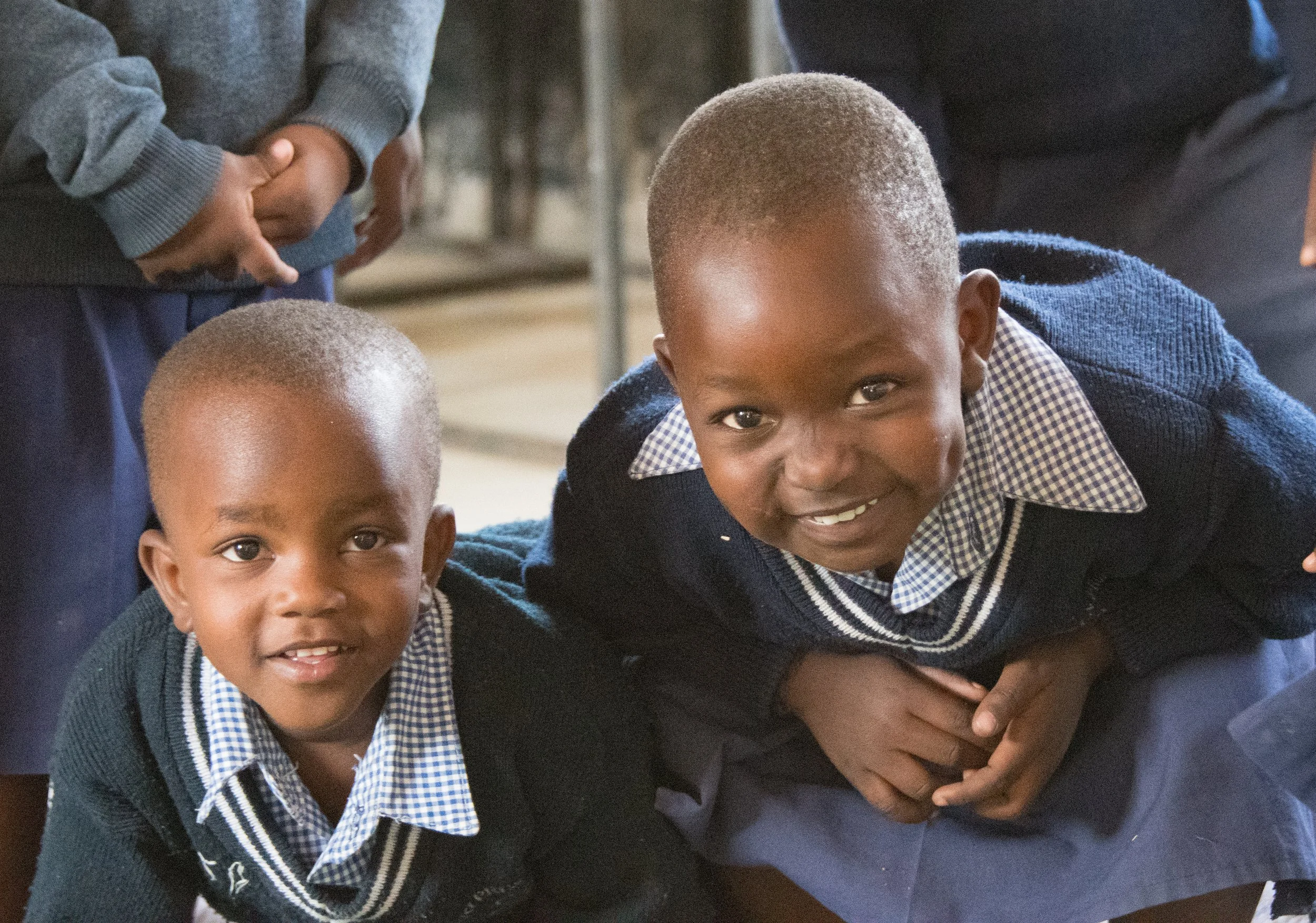
We walked to Zariki School, started by a foreign family who paid to build three classrooms and which has since grown to five through visitor donations. Teaches only in English so the children have a better chance at employment and a higher quality of life. We brought school supplies. We watched classrooms of kids greet us, ask us thoughtful questions, and sing their school song.
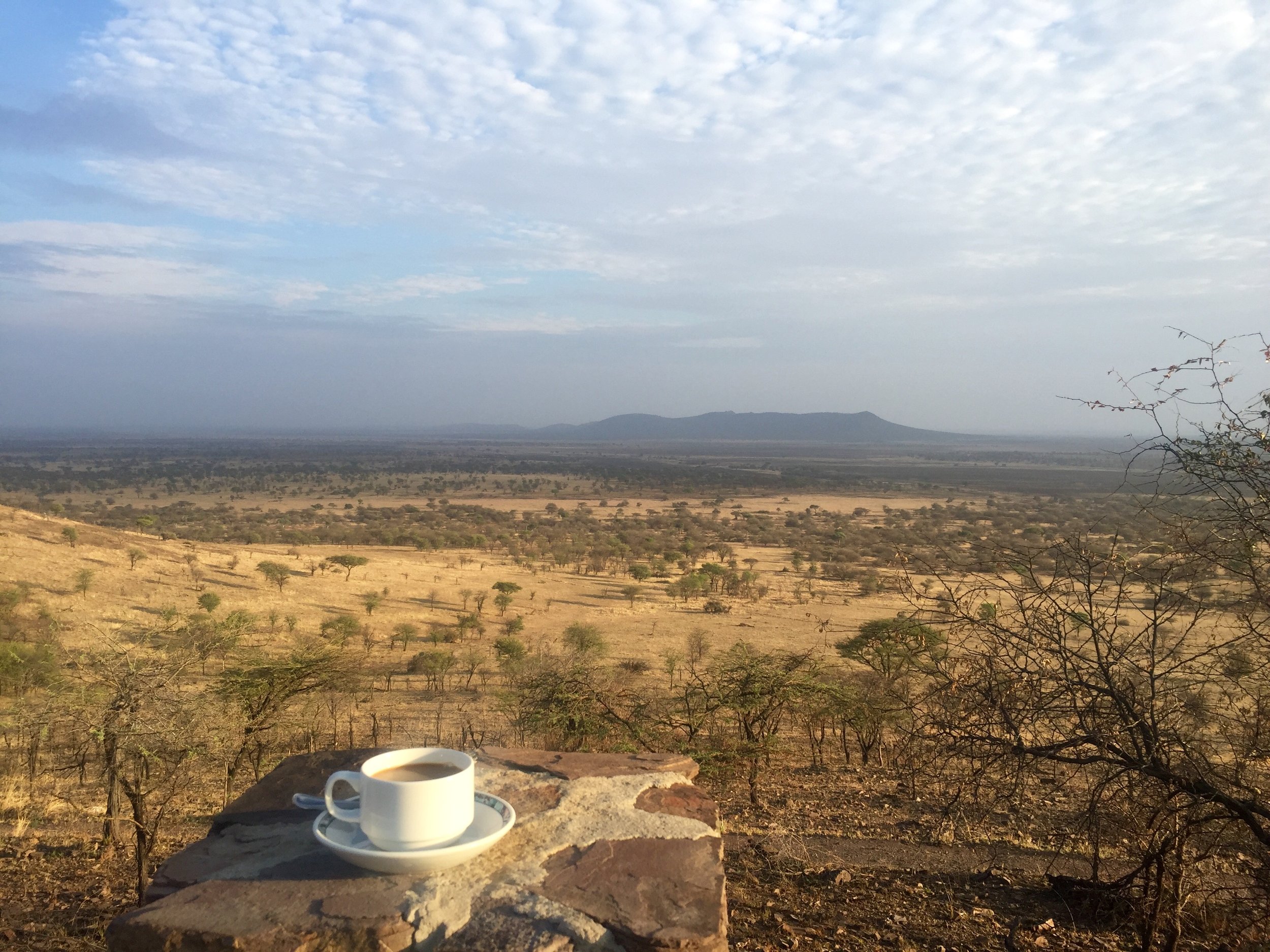
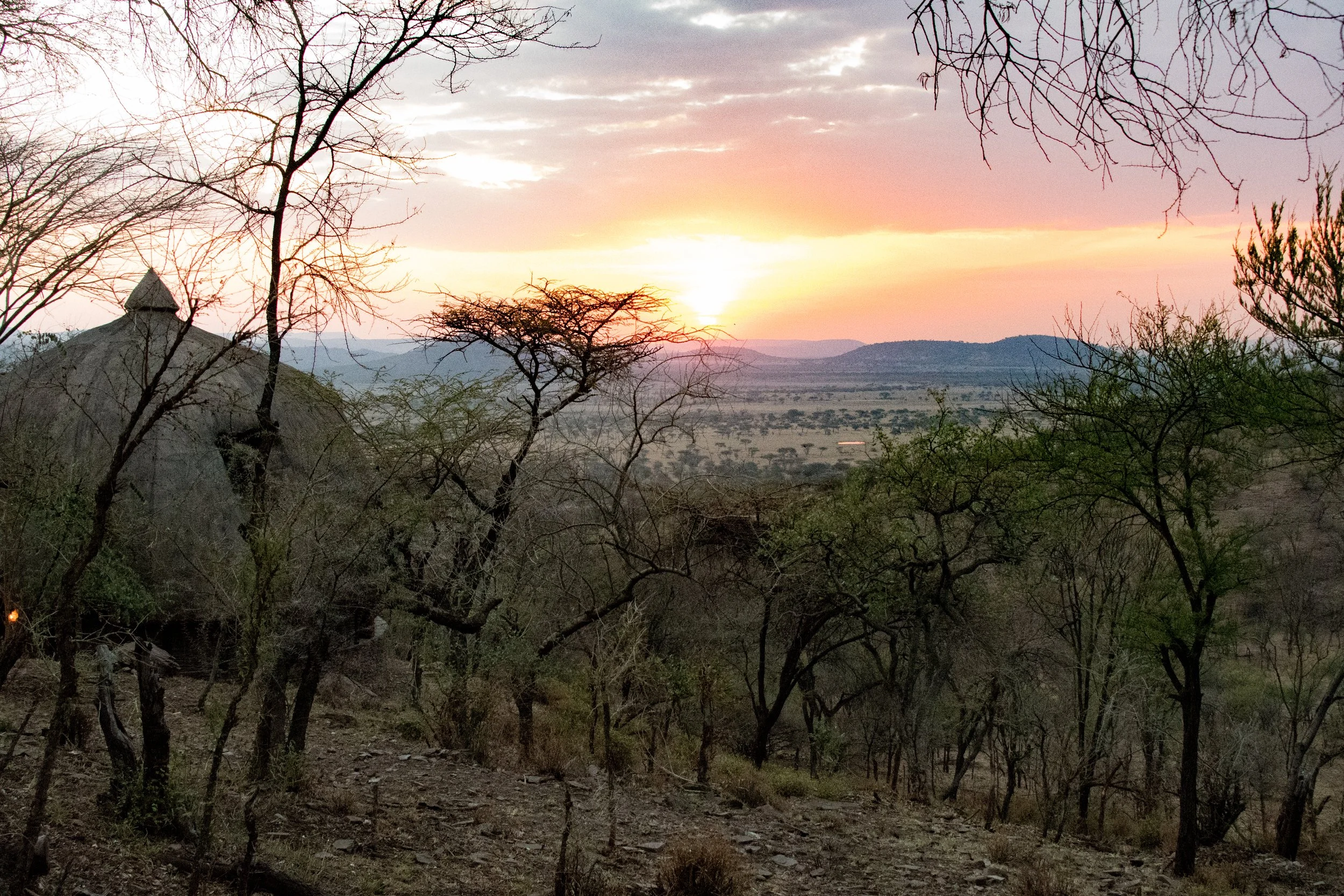
The last morning. I'd asked for an early wake-up call because I wanted the deck before anything else. Matt and I sat there with our coffees in the dark and waited for the light to find the Serengeti. Slowly, softly, the gold appeared. Birds started. The smell of the grasses and the fire from the night before. I tried very deliberately to stamp all of it into my permanent memory. I'd been emotional the last few mornings. Standing there I understood this was going to stay one of the most significant experiences of my life.
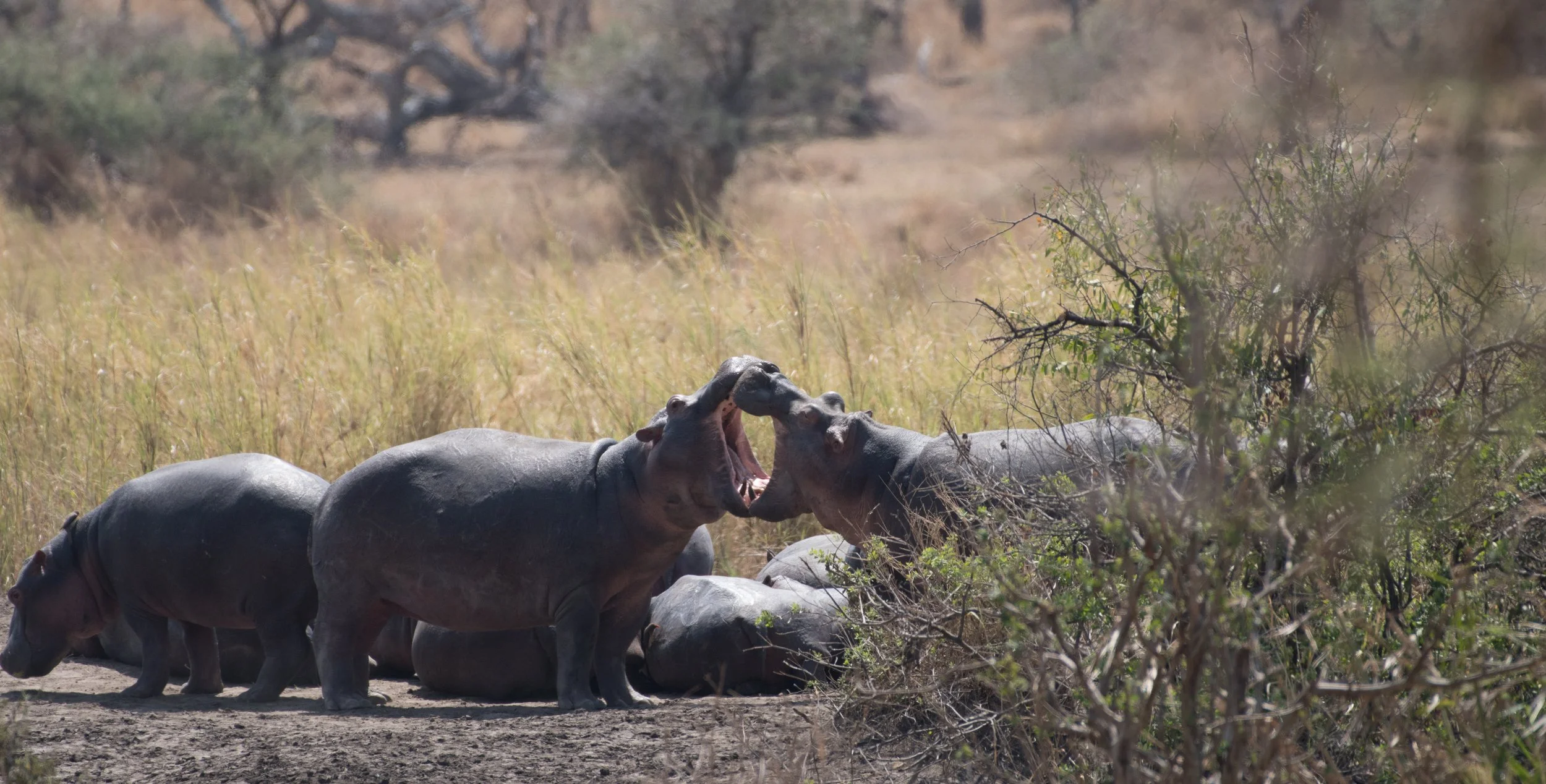
The last game drive. Two female lions taking down a fresh wildebeest. The last time our heads stuck out of the roof with the wind making our hair into something structurally unsound. The last warthog butts scurrying away with their little tails up. The last of the hippo grunts.
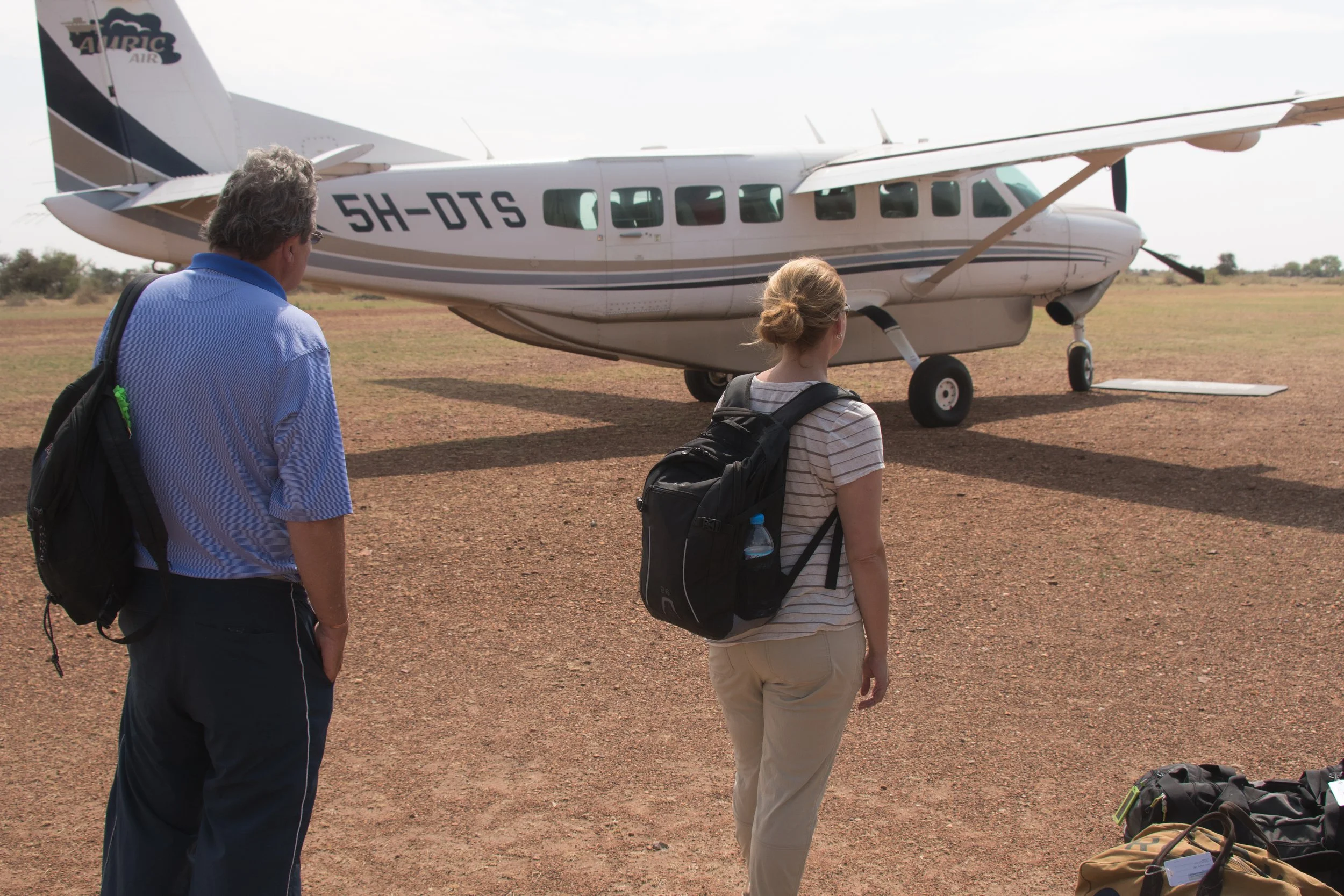
Serengeti International Airport is a dirt runway where a chase car has to drive circuits to scare the animals off before a plane can land. Sit with that image for a moment. We said goodbye to Babenga, who'd been with us for ten days and had become genuinely important to the experience. He says "for example..." as a verbal tic the way Tarek said "OK" in Egypt years before, and I know I'm going to miss it.
Back at Lake Duluti Lodge. The same place we'd started. Full circle.
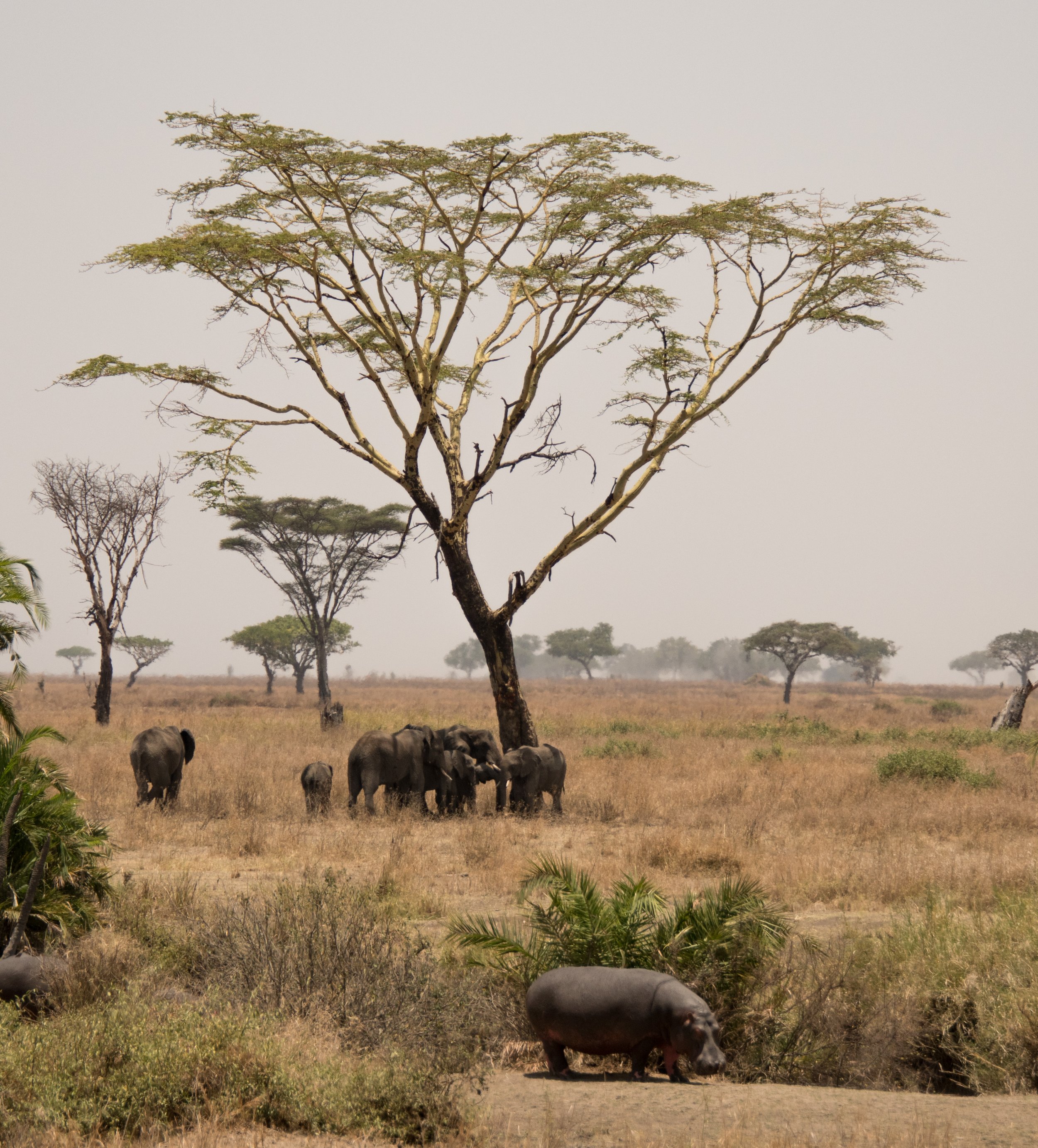
Africa accounts for only five percent of the world's tourists. Five percent. For what it offers. The amount of wildlife we saw in the first fifteen minutes of our first game drive was more than all three of us had seen collectively in our entire lives. No Hilton Serengeti at the park entrance. No fast food chains. Unpaved roads not just for lack of funds but because paved roads mean faster driving and more animals killed. They've chosen the animals. This continent feels genuinely preserved in a way very few places on earth still are.
I'll be honest: this is not a trip for someone who needs to be comfortable. You will be dirty constantly. The roads will bounce you so hard you'll have bruises. The bugs are relentless. The heat is real. But take all of that in stride and what you get in return is one of the best experiences a human being can have. One of the best of my life. I'd put money on that.
Everything in Africa bites, but the safari bug is the worst of all. Kwaheri, Africa. Asante. Goodbye, and thank you.