
Ten Minutes In, a Lion Kill. Welcome to Africa.
Tanzania • Tarangire National Park • September 2016
We woke up on our first real safari morning to the sound of laughter. Not human laughter: this was a bird whose call sounded exactly like someone cackling in the dark. We tried to figure out what it was, which led to the laughing, which was honestly a perfect way to start.
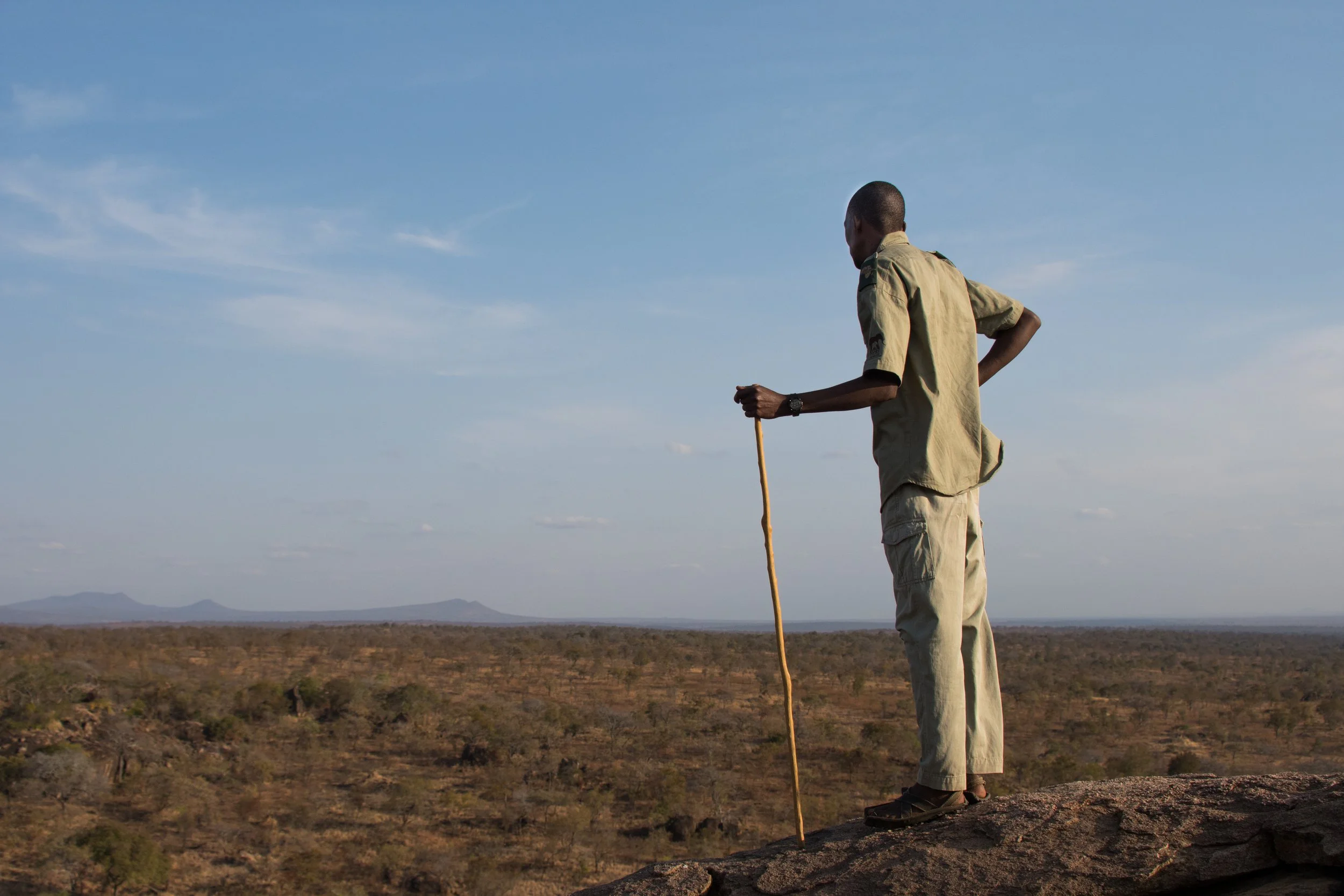
After breakfast, Babenga joined us for an overview of expectations and the rules. Babenga is from Bukoba, Tanzania, has been guiding safaris for 22 years, and is known in the industry as "the wise one." He would earn that title repeatedly. We loaded the Land Cruiser and headed out through Arusha, past a small monument marking the exact halfway point between Cape Town and Cairo, into Maasai territory.
I'd read somewhere that you shouldn't imagine what a place will be like before you arrive, that expectations only set you up for disappointment. I would like to formally disagree with that advice for the specific case of a Tanzania safari, because everything we had imagined is exactly what we experienced. (I'll contrast this with the Great Pyramids of Giza, which I imagined out in a vast empty desert and arrived to find a strip mall with a Pizza Hut 200 yards away. Safari: 1. Pyramids: complicated.)
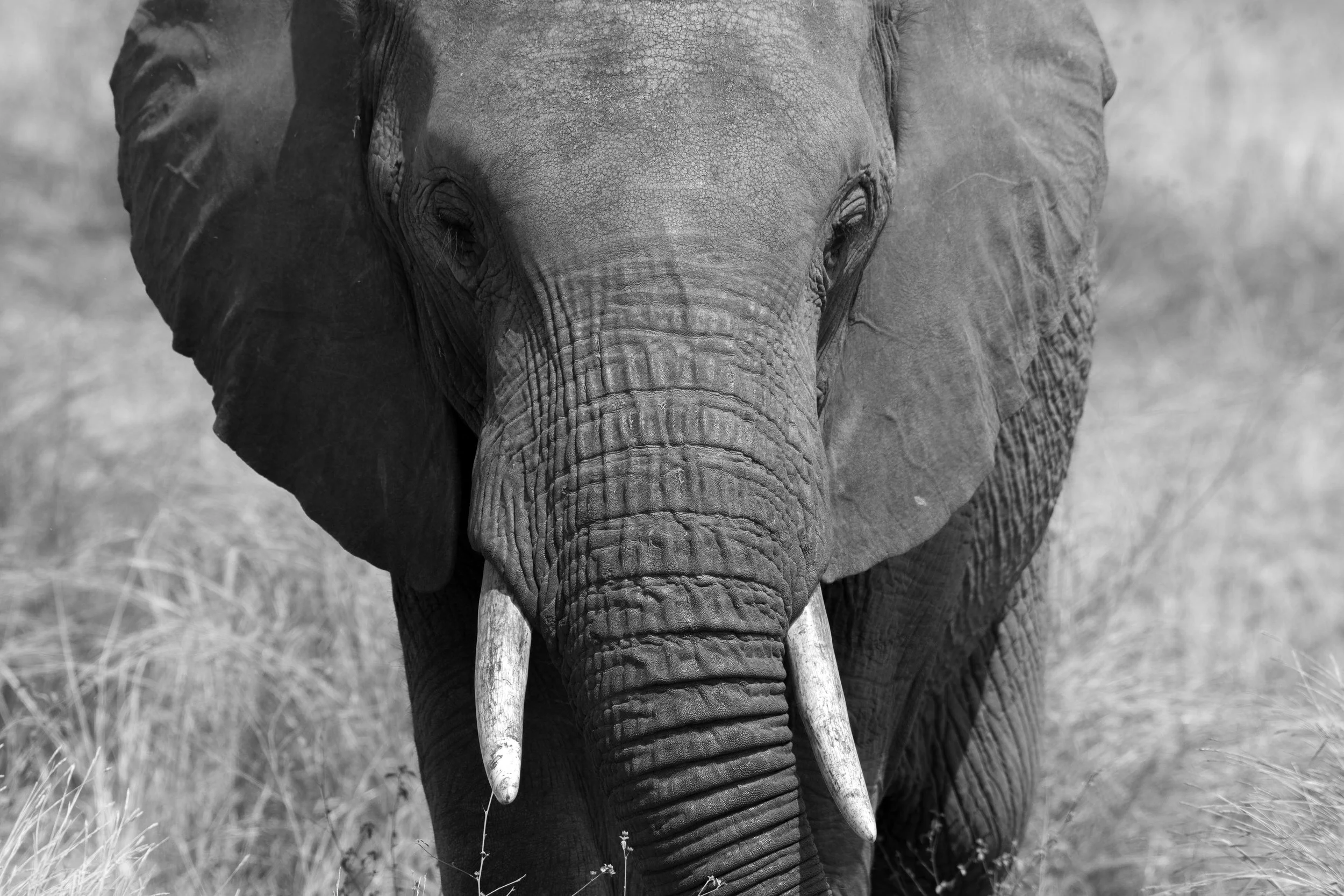
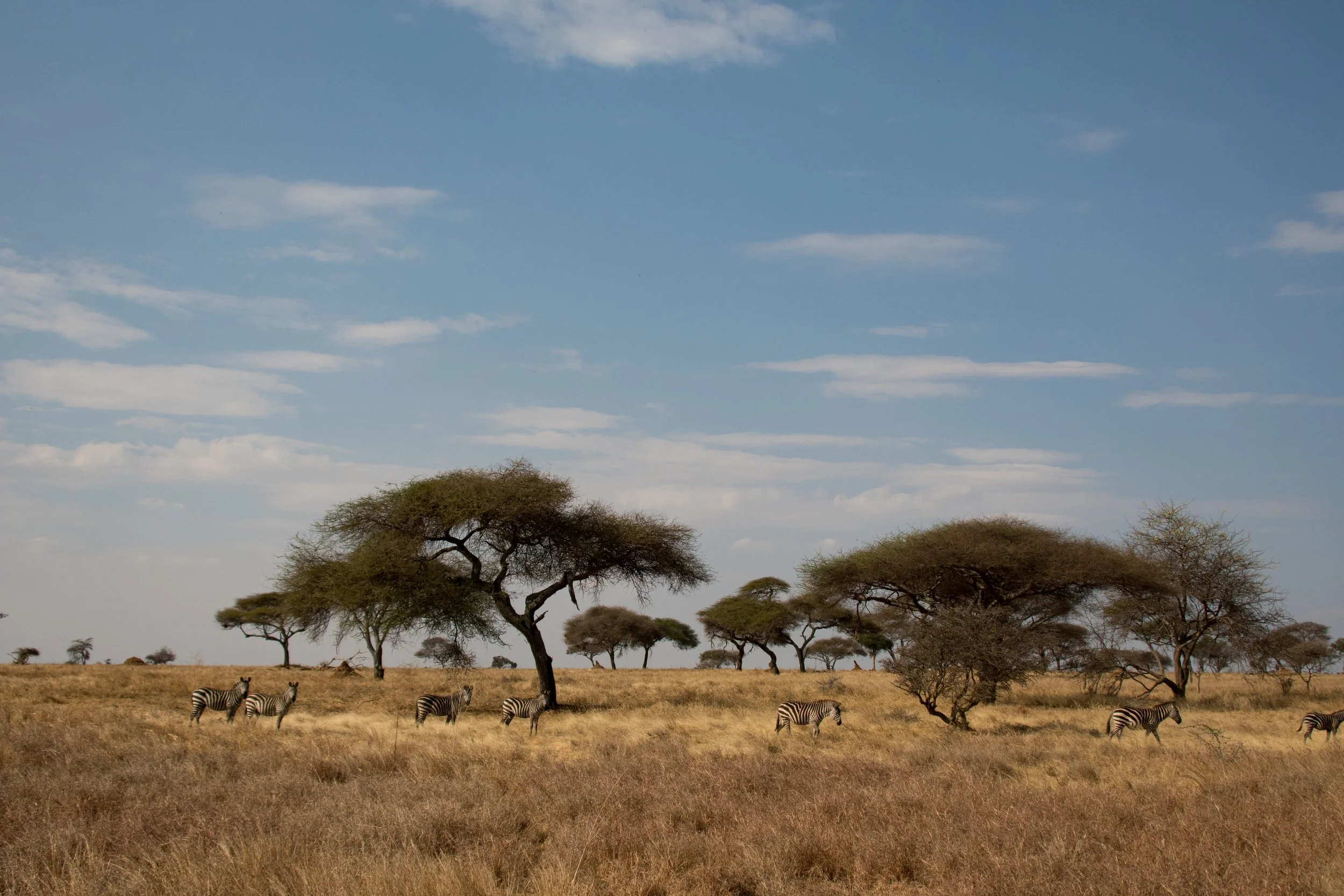
We arrived at Tarangire National Park around noon. It has the second-highest wildlife concentration of any park in Tanzania, the largest elephant concentration in the world, and is dominated by enormous baobab trees that can live 600 to 900 years. Babenga opened the roof of the Land Cruiser and we all stood up with our heads out. And then we started driving.
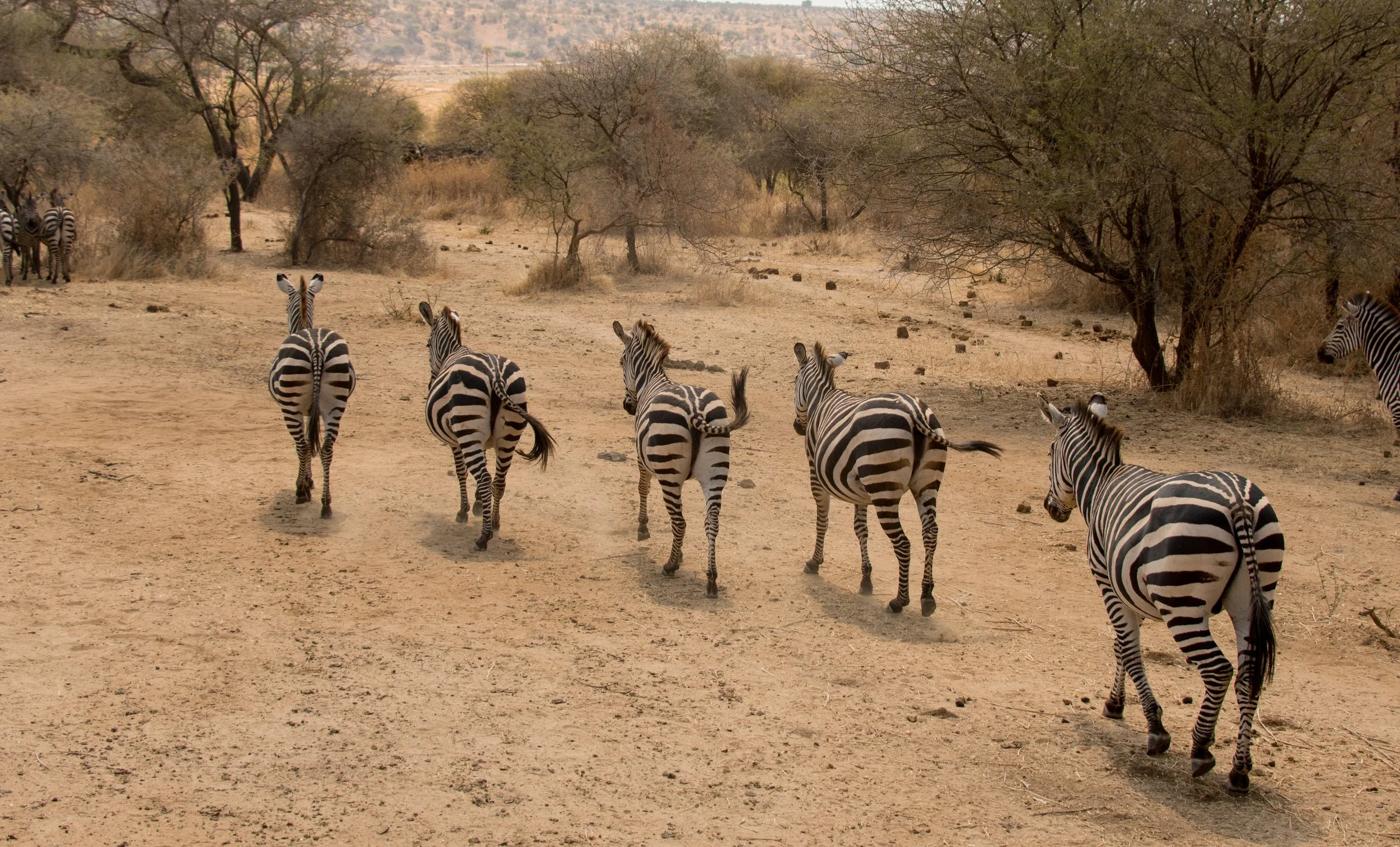
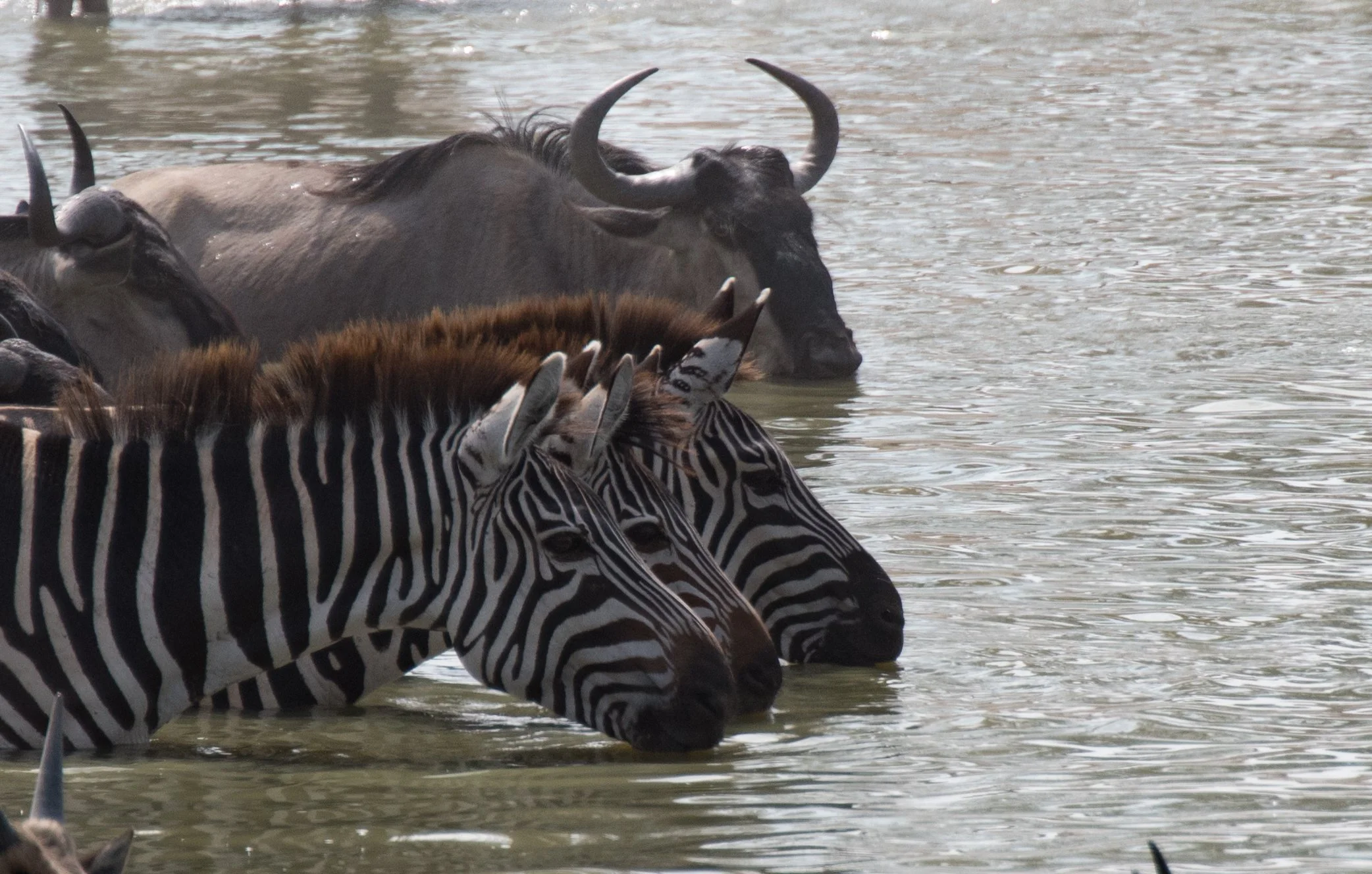
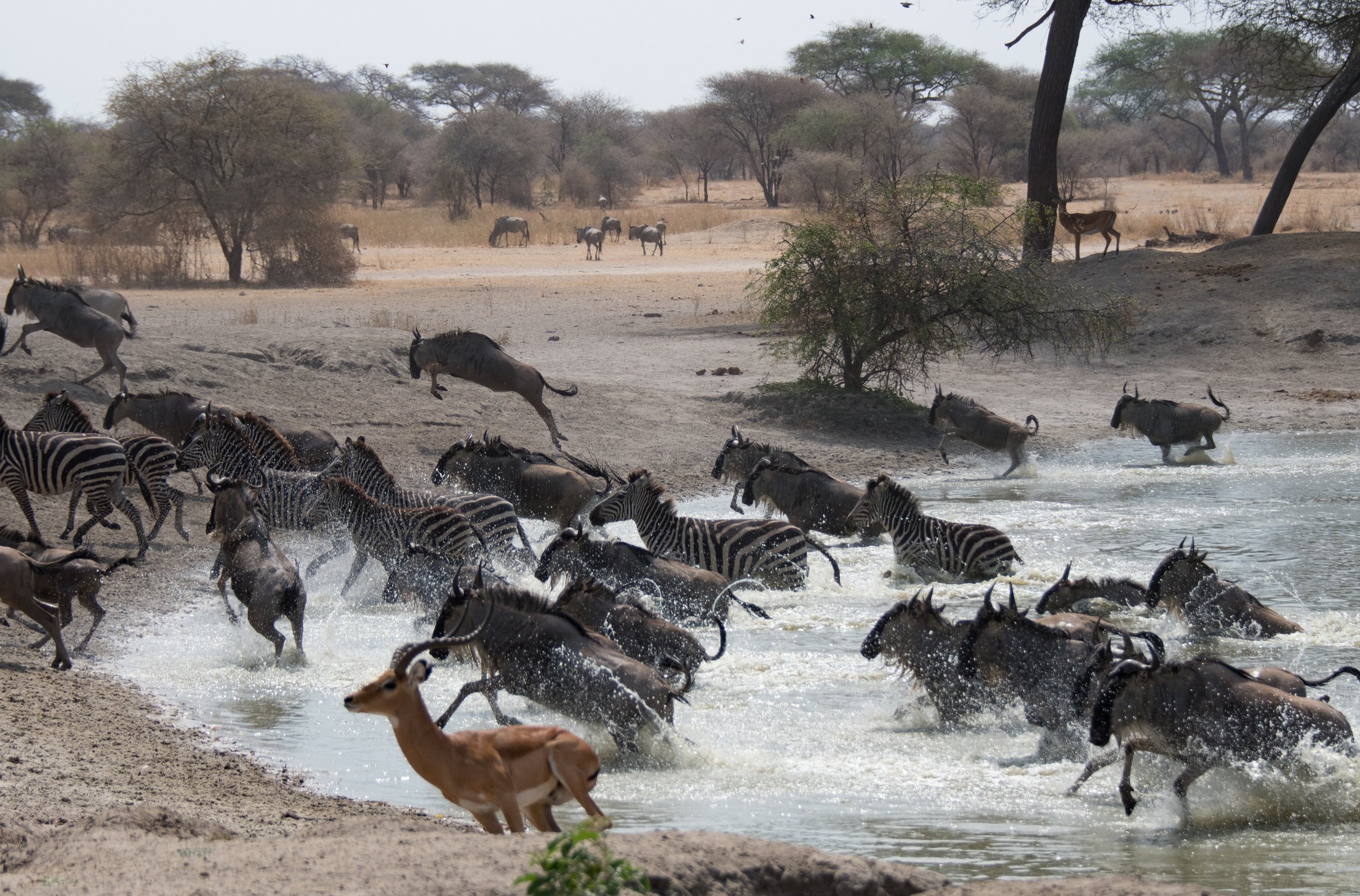
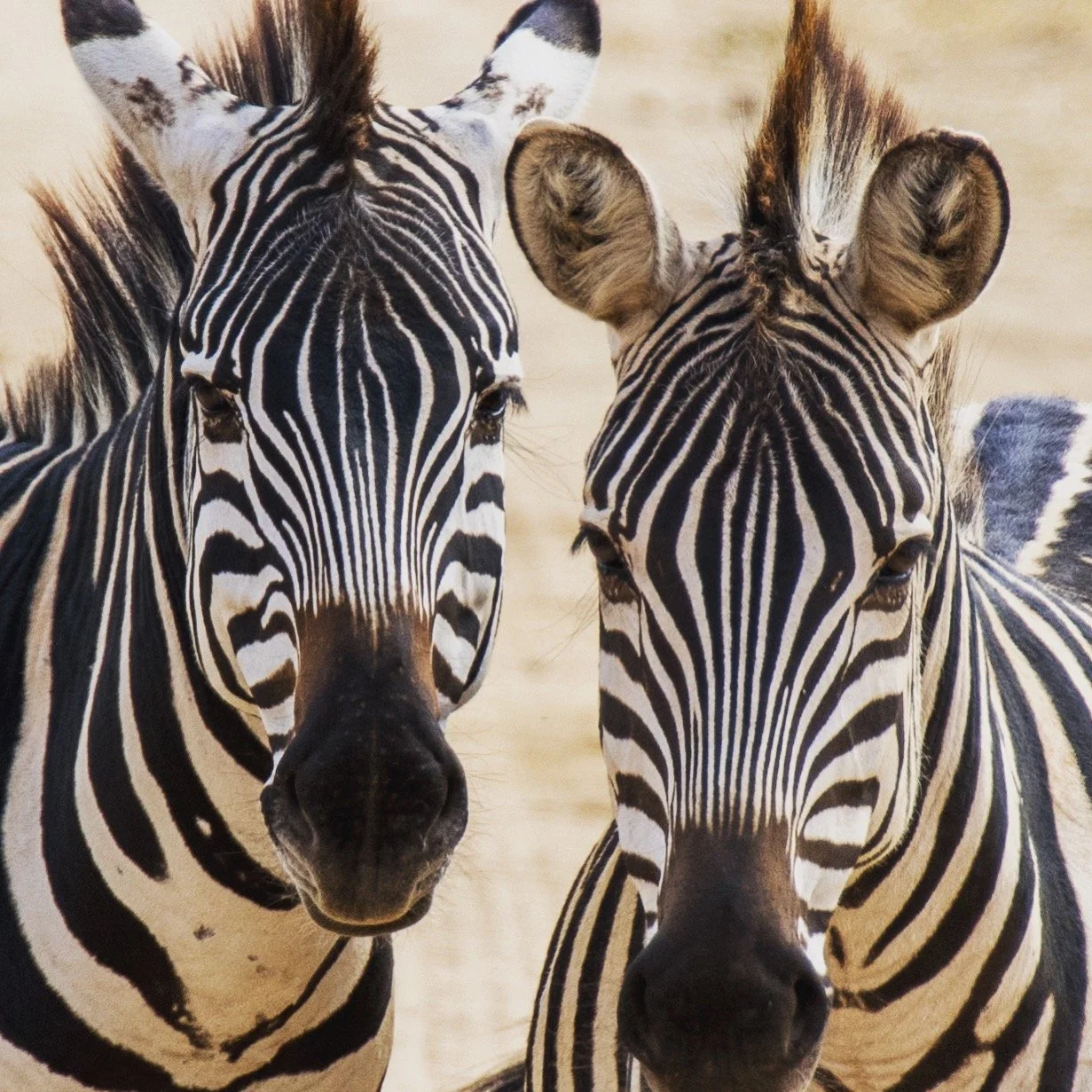
We thought we'd be peering far into the distance, squinting for shapes on the horizon. Nope. The animals were immediately, very much right there. Zebras and wildebeest in hundreds. Babenga explained that they travel together because zebras have excellent hearing while wildebeest have a strong sense of smell, so together they detect predators much more effectively. Nature is so much smarter than us.
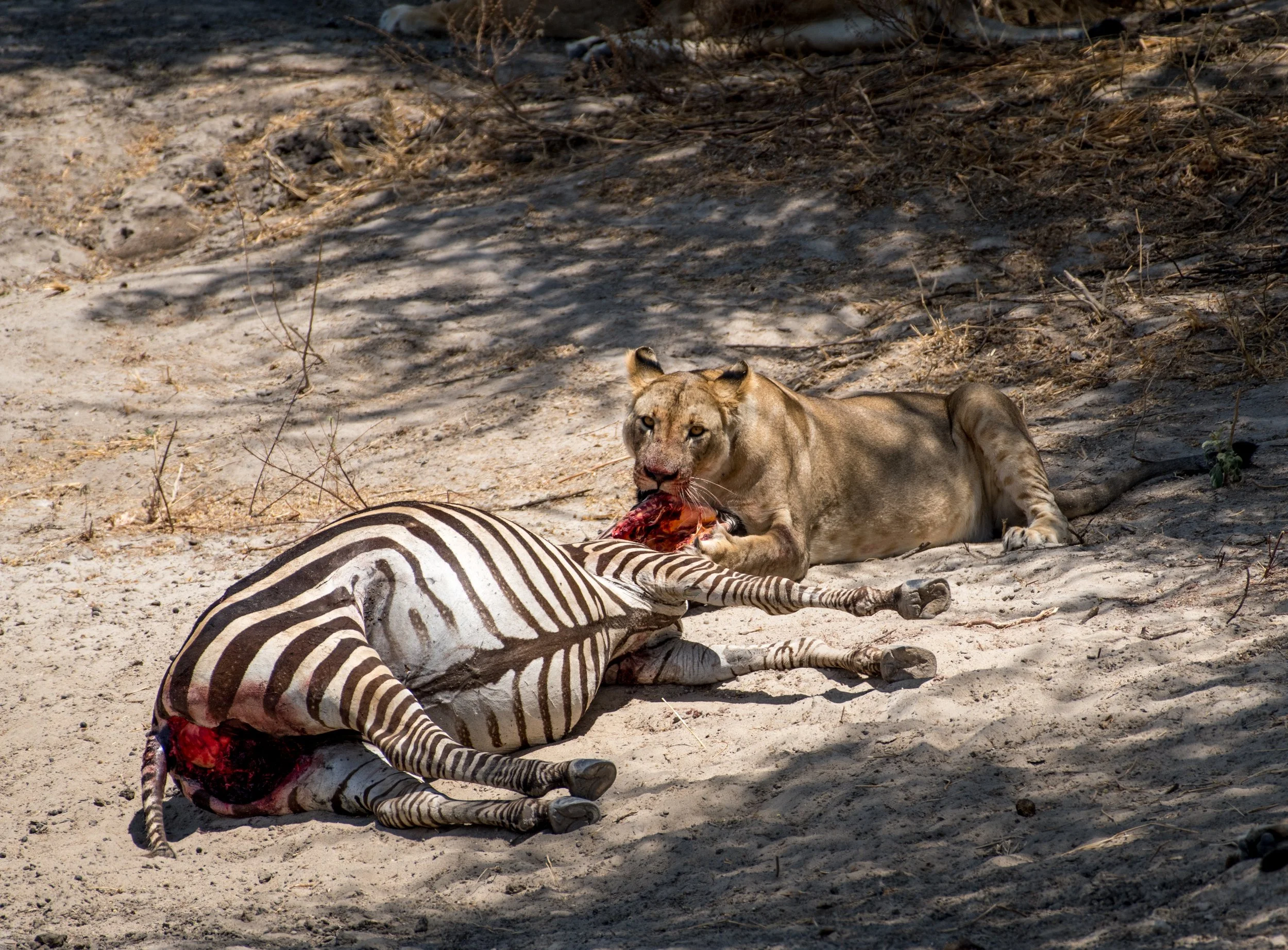
Not ten minutes into our first game drive, we came upon a watering hole. A fresh lion kill. The lions had just taken down a zebra and we sat there for ten to fifteen minutes watching them drag it out of the sun and start working on it, a couple of cubs having a playful tussle nearby. Then some warthogs arrived because they just wanted a drink of water, and the youngest cub decided it was his spot and chased them off. We sat there with our mouths open. We had been inside the park for ten minutes.
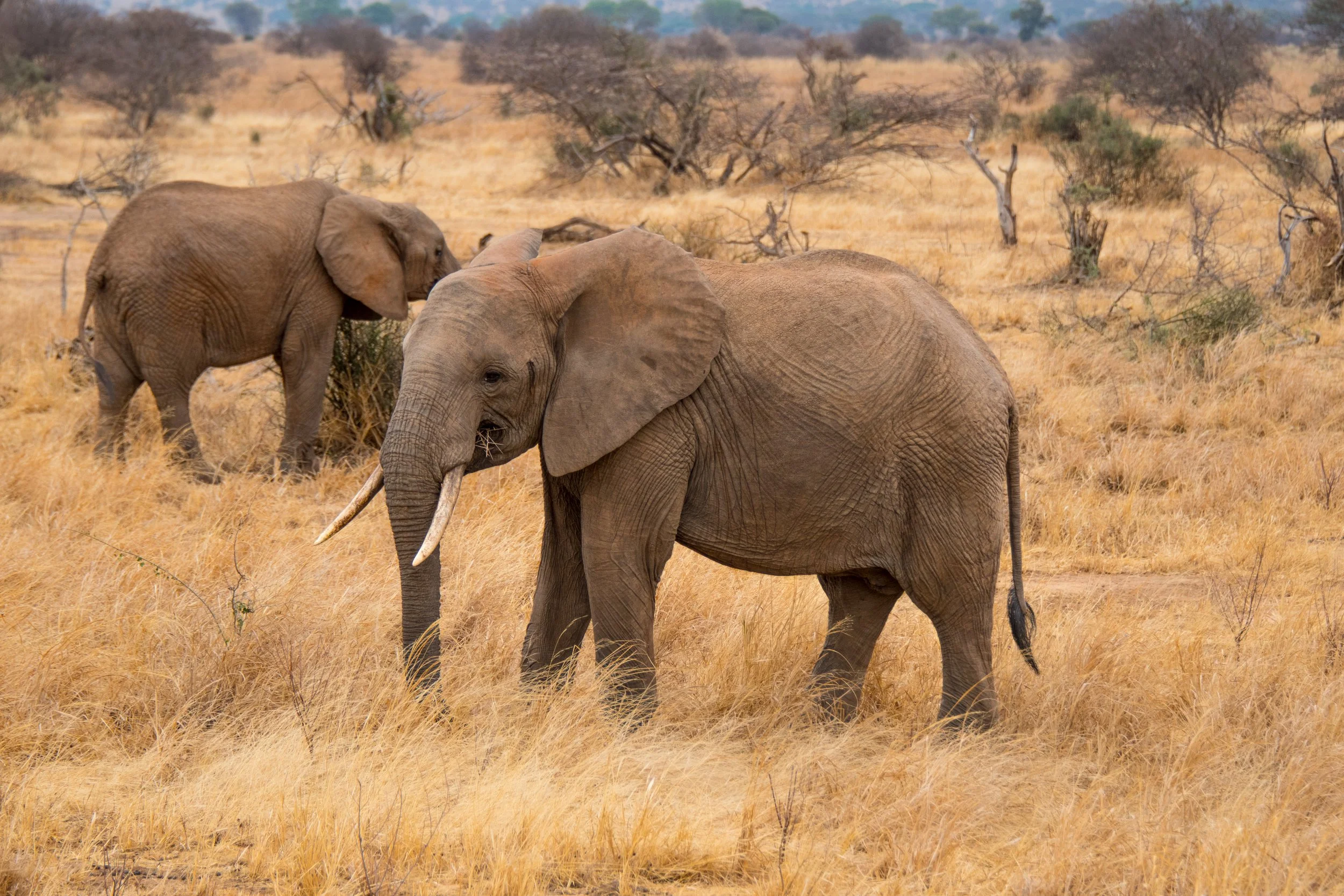
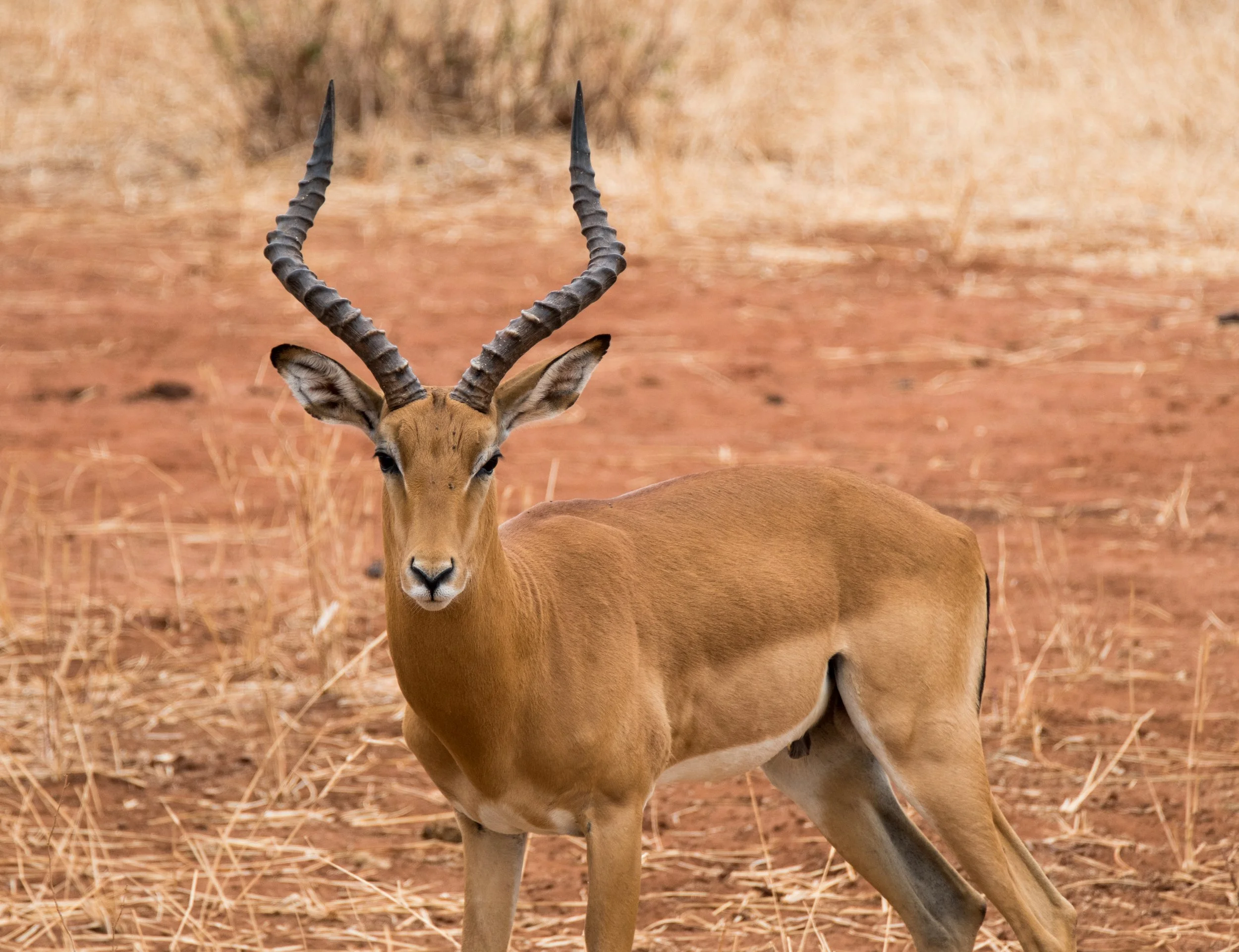
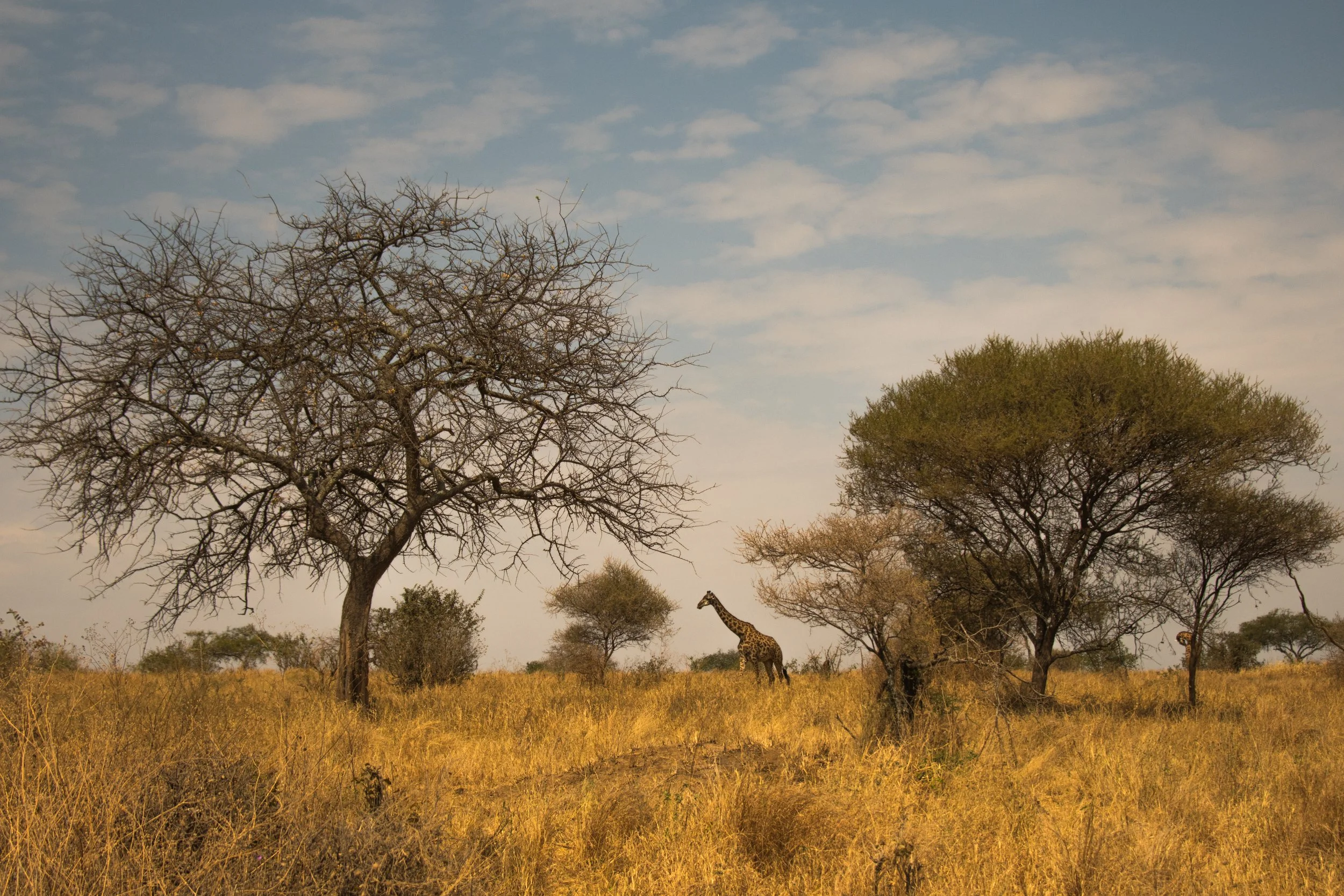
The next three hours took us 52 kilometers through the park and we saw: elephants, giraffes, gazelles, mongoose, baboons, more warthogs, ostriches, incredible birds. All three of us were just in sustained awe. I keep coming back to this image: standing up through the roof of the Land Cruiser, looking out across the vast flat landscape and seeing elephant silhouettes everywhere I looked. Not one. Not three. Everywhere. The Africa you dreamed about as a child, actually happening in front of you.
Our camp for the next three nights was Camp Kikoti, reached by driving through increasingly dramatic terrain after leaving the park. The camp sits at elevation with a beautiful view of the park below. The rooms are cabins on stilts, completely open except for screens, full power and operational bathrooms, 80% solar powered. We had the whole camp to ourselves that first night. After dark we couldn't walk unescorted due to the possibility of wildlife wandering in. If we wanted to leave our cabins we'd wave our flashlights and armed rangers would come get us. I want to be fully transparent: I found this extremely exciting. Disproportionately exciting. This is camping in actual wild Africa.
Day two started with a Jambo and hot tea and coffee delivered to our porch at 6am. We headed to the swamp area of the park, overcast and chilly with the roof open, all of us layered up and happy about it. Then fifteen elephants came across the road.
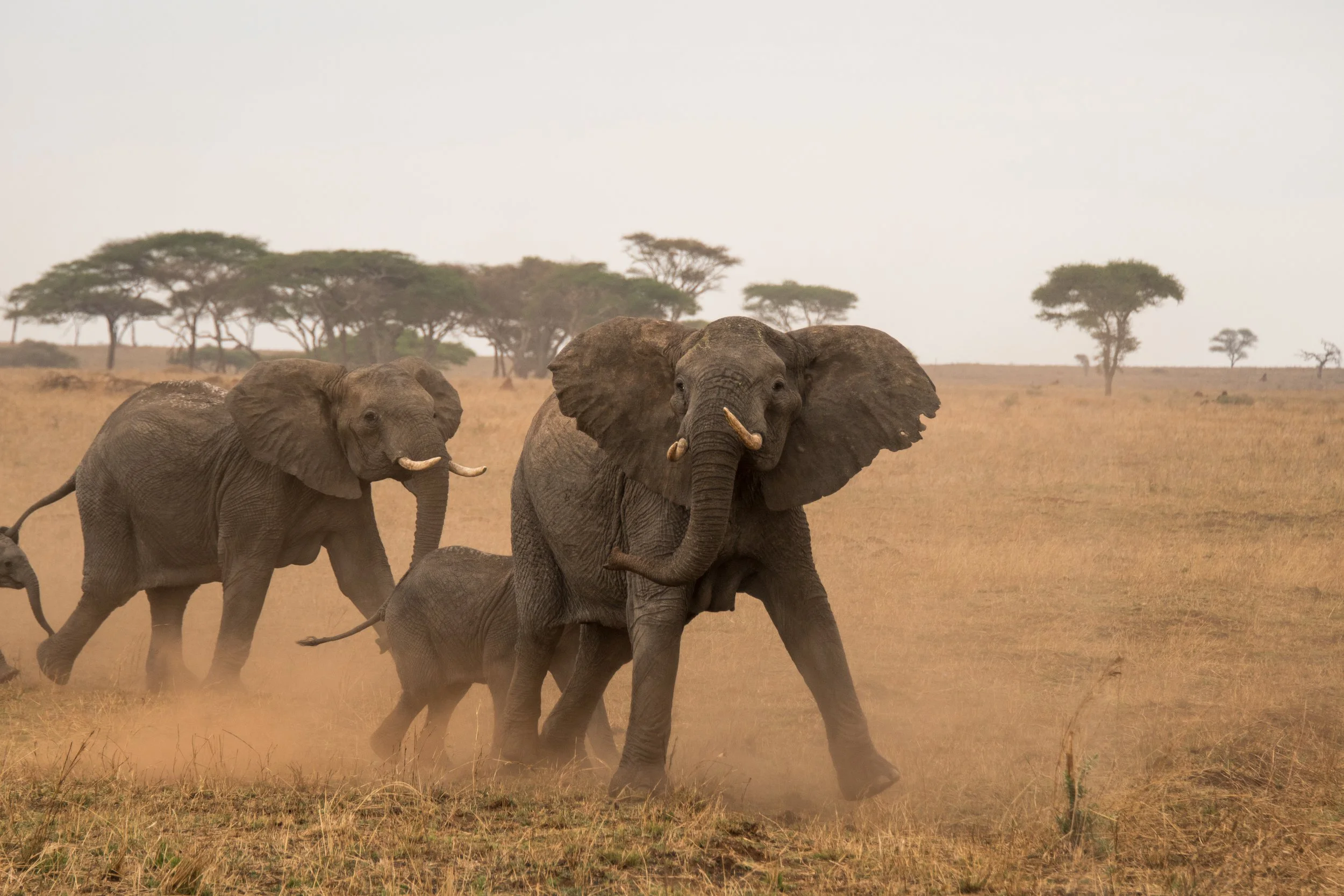
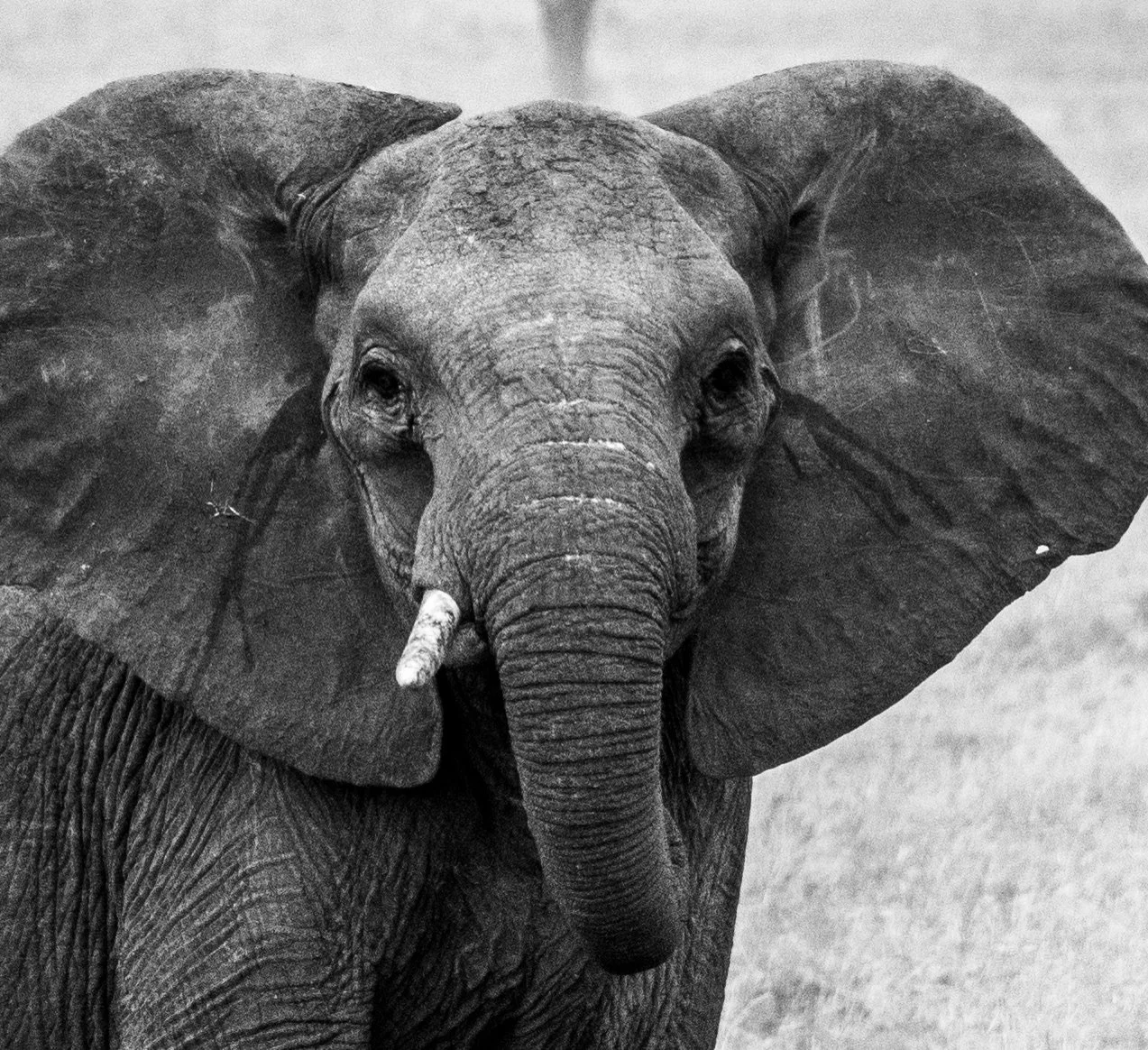
A herd moving fast. Babenga pulled us up ahead so they'd cross right in front of us. As they got closer, the matriarch turned and came toward our car, ears flared, trumpeting a warning. The young bulls followed her lead. She stopped halfway across, turned back once more, one more unmistakable "stay right there." Then the herd continued.
That moment. We'd read enough about elephant behavior to know she was likely bluffing, that it was a warning charge. That knowledge does almost nothing when a matriarch elephant is coming at your car. Your body does not care about what you've read. Time did something strange and I felt completely, entirely awake. Unquestionably the highlight of the trip for me.
Later that morning a stopped Range Rover tipped us off to a leopard sleeping in a tree, arm draped over a branch, profoundly unbothered. I genuinely cannot explain how these guides spot a sleeping leopard from a moving vehicle. She had no interest in waking up for us. We had coffee and muffins in the middle of wild Africa with a tablecloth. Babenga is extraordinary.
Day three he announced Training Day. Matt had come to get me before I'd even finished getting dressed: "Stop getting around and come outside for a minute." From the porch the valley was just beginning to catch the first light. Golden and wide. We sat there with our coffees in silence and I felt very, very lucky. Then we went out and the roads got dramatically, dramatically worse. We were flying off the ground, slamming into the sides, making involuntary hippo-grunts trying to brace ourselves. Babenga called from the driver's seat: "You need to get used to this. It's worse in Ngorongoro and Serengeti." All three of us just looked at each other. He said it's like riding a three-legged horse. We were about to find out.
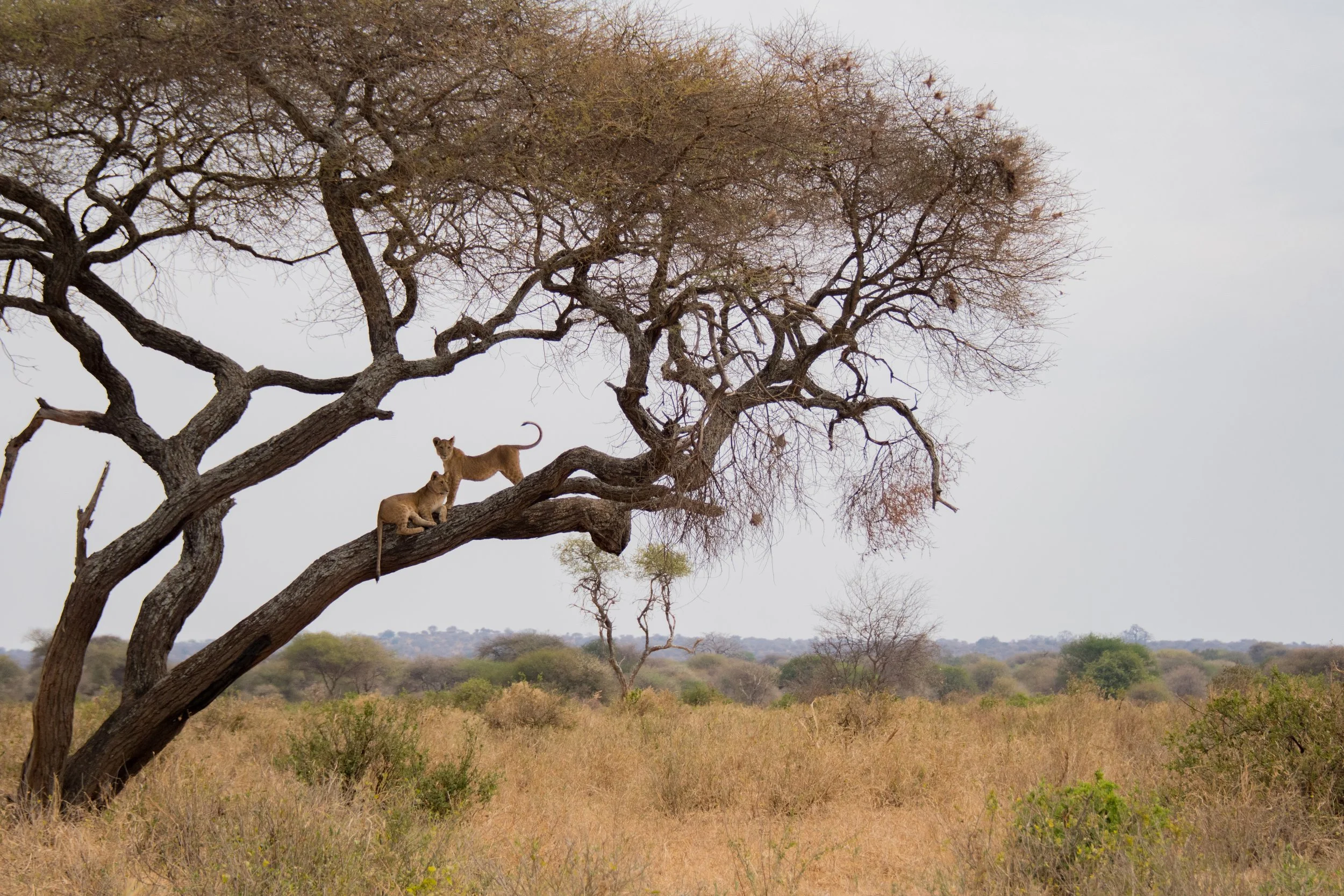
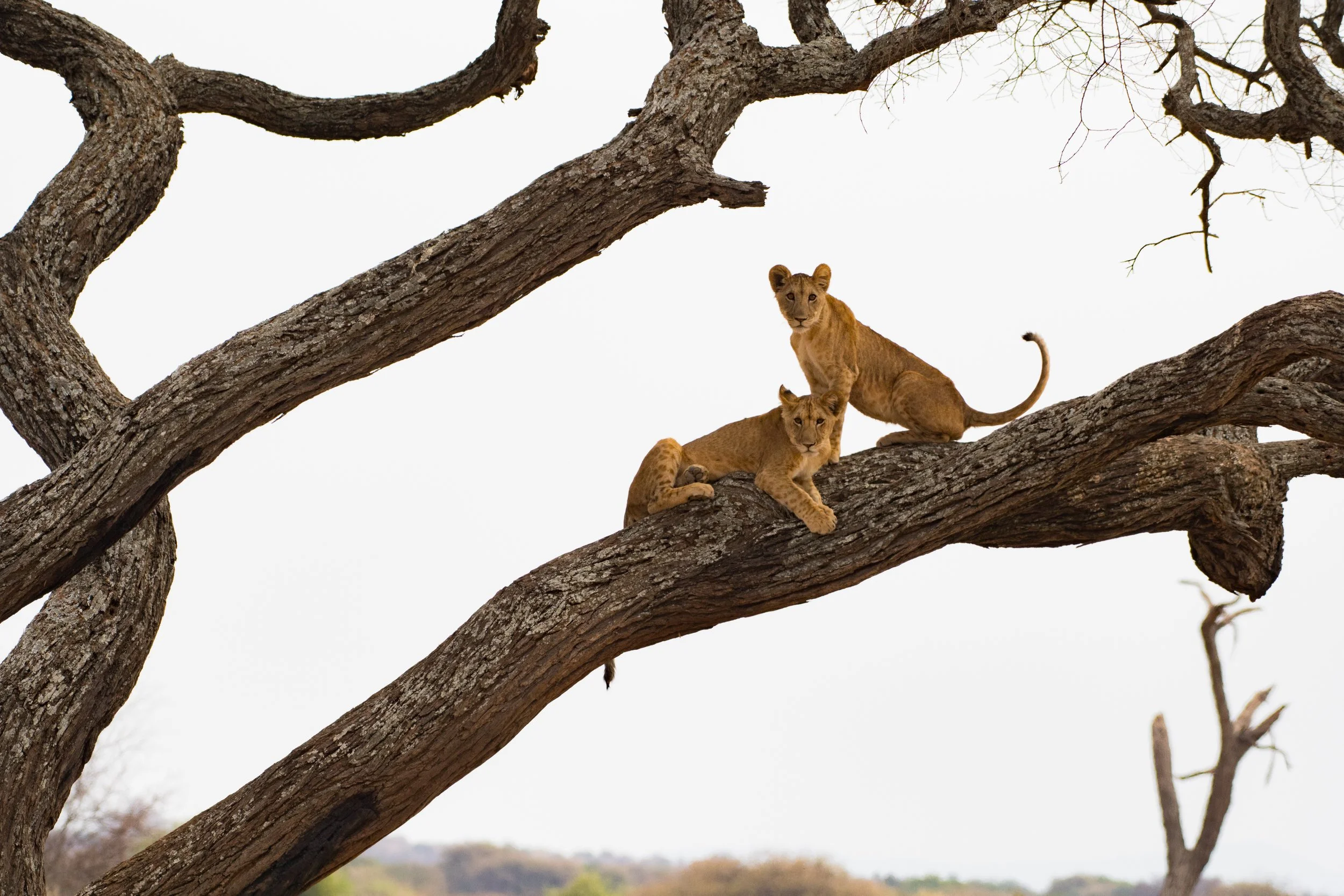
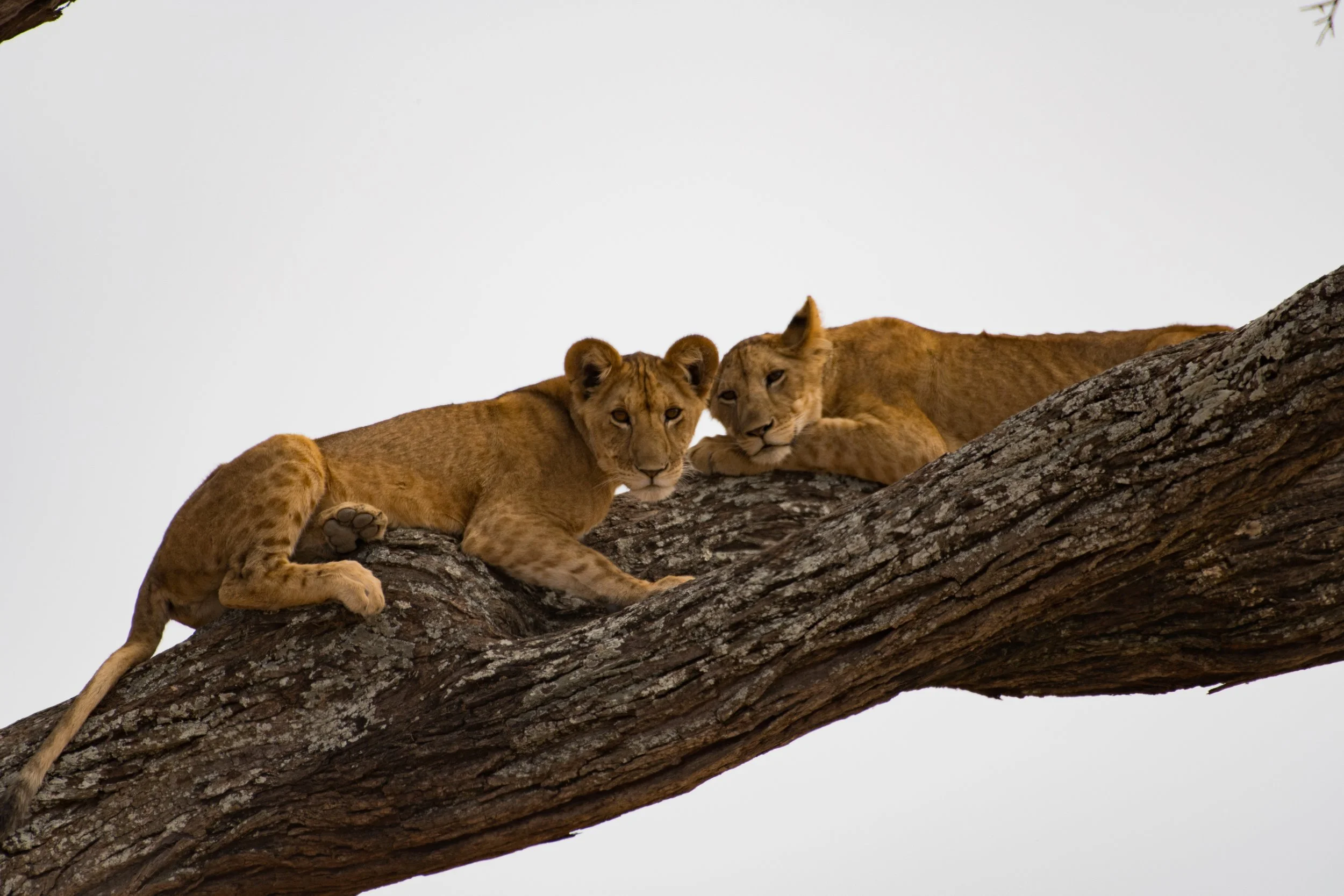
Two cubs in a tree turned out to be our afternoon lions, almost posing. On the way back to camp, Babenga warned us about an incoming tsetse fly area and tried to outrun them at 30km/h. They kept up. They were chasing us in his side mirrors. You kill them by smashing their wings between your fingers, which is every bit as unpleasant as it sounds. I was extremely grateful we were visiting in the low season.
The nighttime game drive in the open-sided South African safari car, with a Maasai guide on a chair mounted to the hood looking exactly like E.T., brought us a Bush Baby with the most impossibly bright eyes I've ever seen and a brand new understanding of the phrase "lean in" when Acacia thorns are brushing you with no car walls in the way. The sundowner walk and climb up Kikoti Rock gave us sunset views across the whole Tarangire area, followed by cold beers Babenga had waiting at the bottom.
There are things photos can't capture out here: the way a place looks at night by moon and lantern light, the smell of burning acacia wood, the feeling of being somewhere that makes you genuinely connected to the earth in a way you've never felt before. I've never felt it quite like this. Not until Africa.