Protests, Parades, Peas, and a Dog Who Saved Me
Peru | Cusco | June 2010
Getting from Machu Picchu to Cusco involved what can only be described as a genuinely spectacular logistical mess. The floods had washed out the railway in multiple sections, so after the train portion ended we were loaded into vans for a two-hour drive on dirt and gravel roads, partly on actual train tracks, in complete darkness, with dogs running into the road, people appearing out of nowhere along the edges, and a driver who slowed from 45 miles per hour to nearly a complete stop at every speed bump before accelerating immediately again.
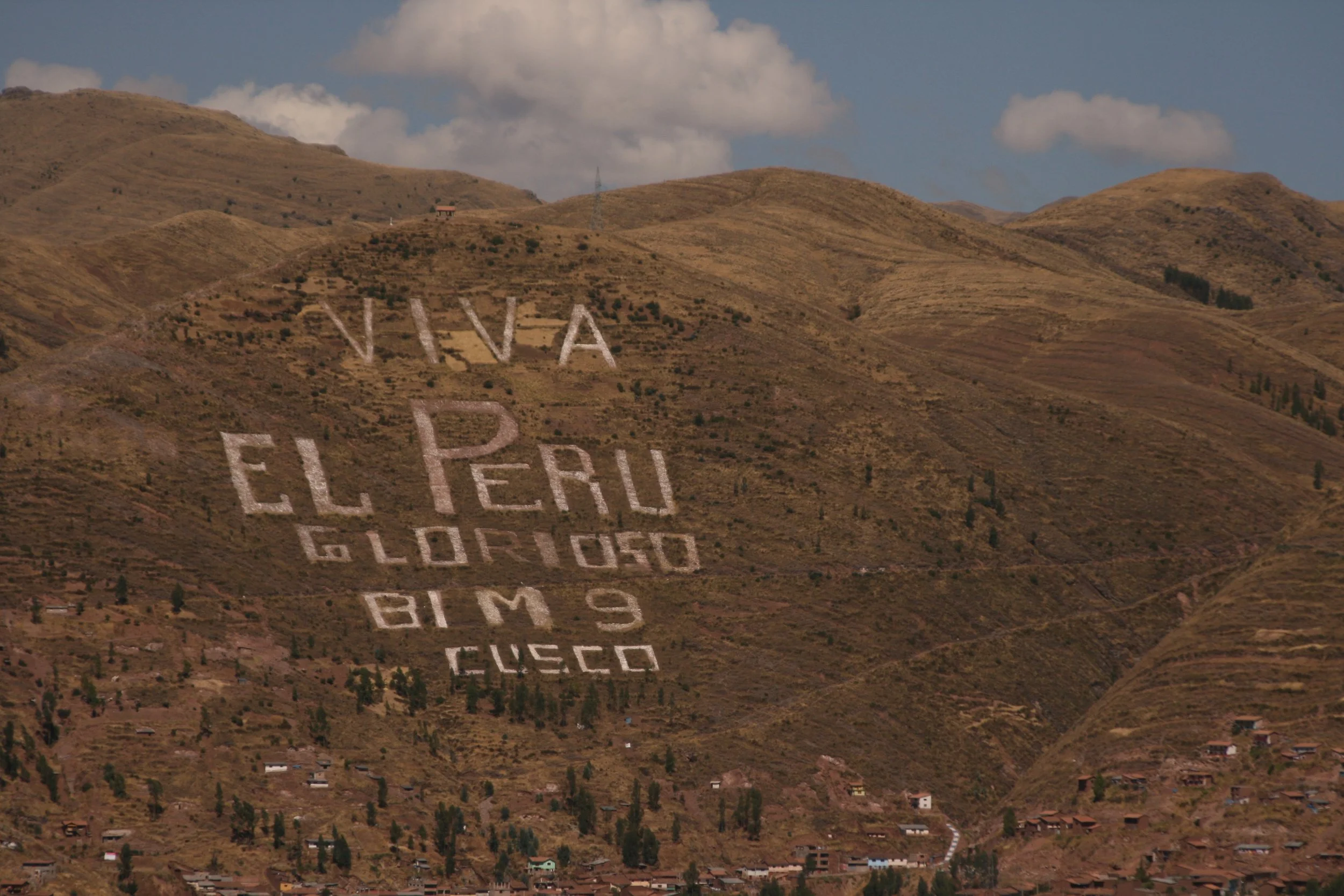
Our bus companions were college boys who used the word "bro" at a frequency I cannot accurately convey, and two elderly women with strong opinions about the appropriate use of an Incan flute. One of the boys was playing it quietly. One of the women told him to stop. He apologized and said he hadn't meant to bother anyone. She told him: "Yes you did. Practice when you are by yourself." Honestly, fair. We got into Cusco at ten-thirty at night, checked into our hotel, showered, and fell directly asleep.
Morning changed everything. The hotel owner, an American woman in a Lakers hat who had clearly figured out the city thoroughly, handed us a map with her personal recommendations circled and sent us to Jack's Cafe for breakfast. Her exact words were that they had great eggs and great cappuccino. She was right on both counts. My eggs with garlicky mushrooms and bacon over toast tasted profoundly, aggressively non-Peruvian and I enjoyed every single bite without an ounce of guilt.
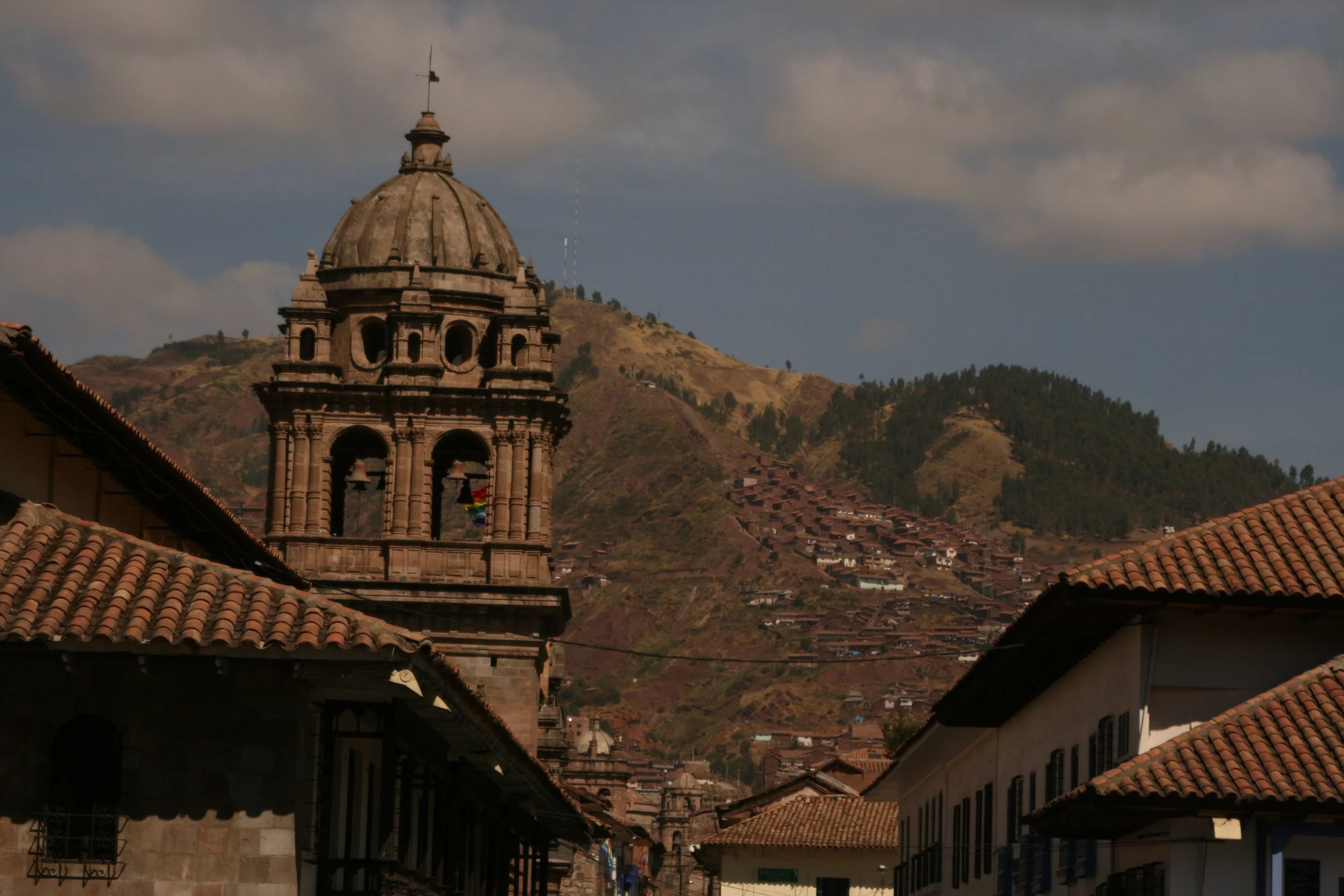
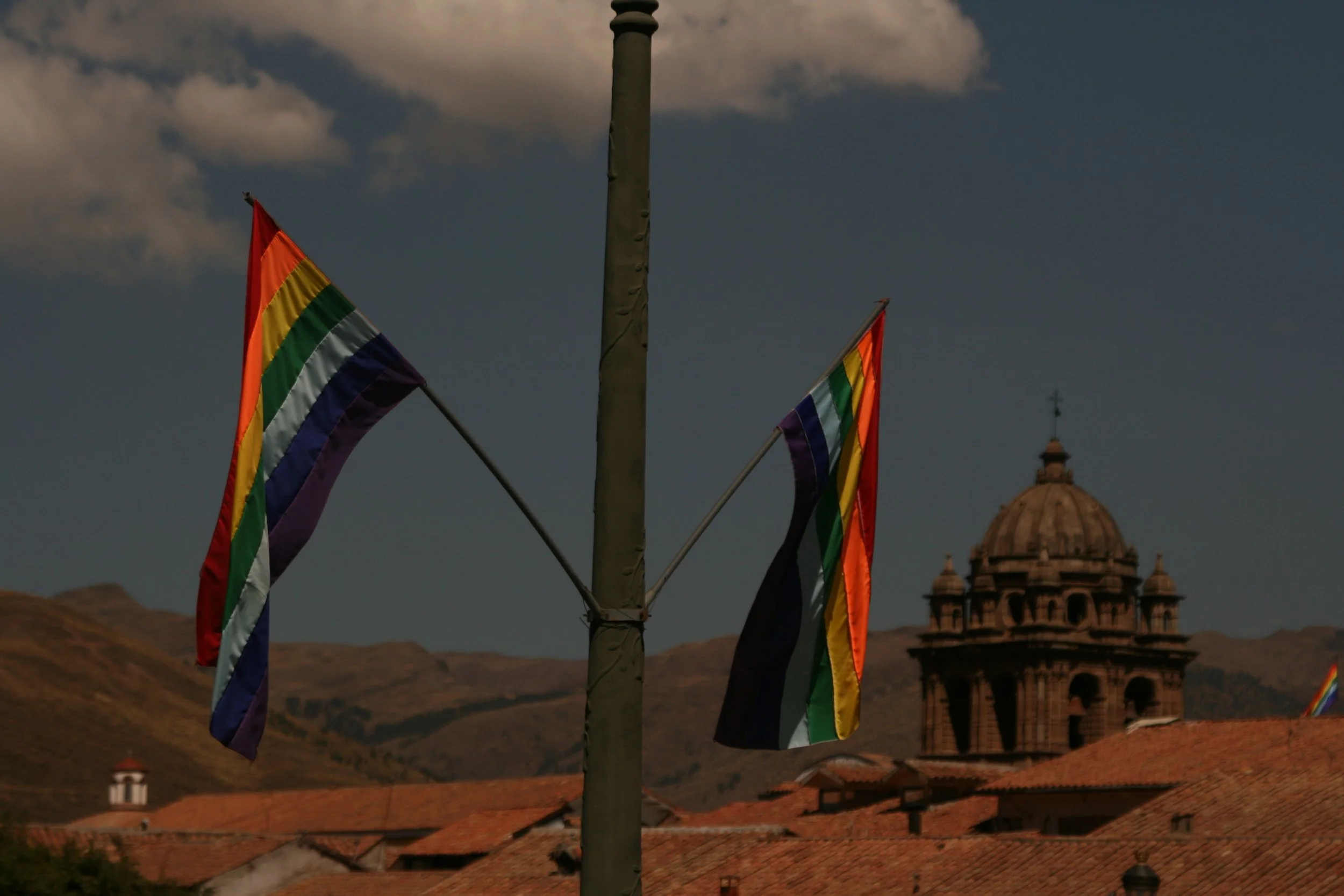
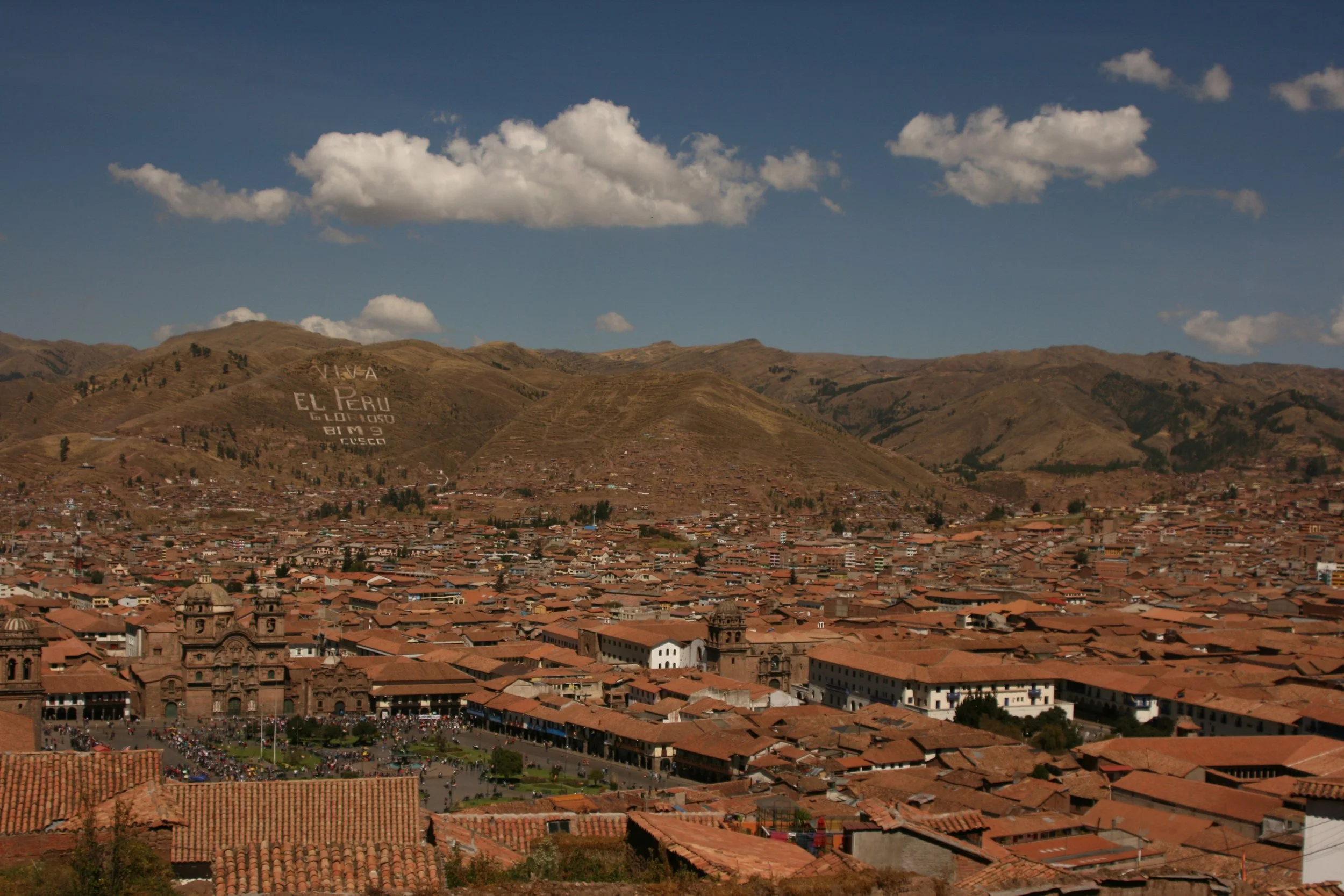
The old part of Cusco where tourists stay is genuinely lovely: hilly and historic, with beautiful colonial architecture surrounding the main plaza. Very different from the scrappy outskirts we had driven through on our first arrival day. The Plaza de Armas was our first stop, where we encountered a nationwide protest over gas prices in full swing. They had made large paper rats with politicians' faces on them and were lighting them on fire. There were M-80s going off and cheering. We watched for a while, decided we were not in any danger, and wandered the streets for the rest of the day shopping and exploring. We had been told the protest might affect transportation and were very relieved it hadn't touched our Machu Picchu timing.
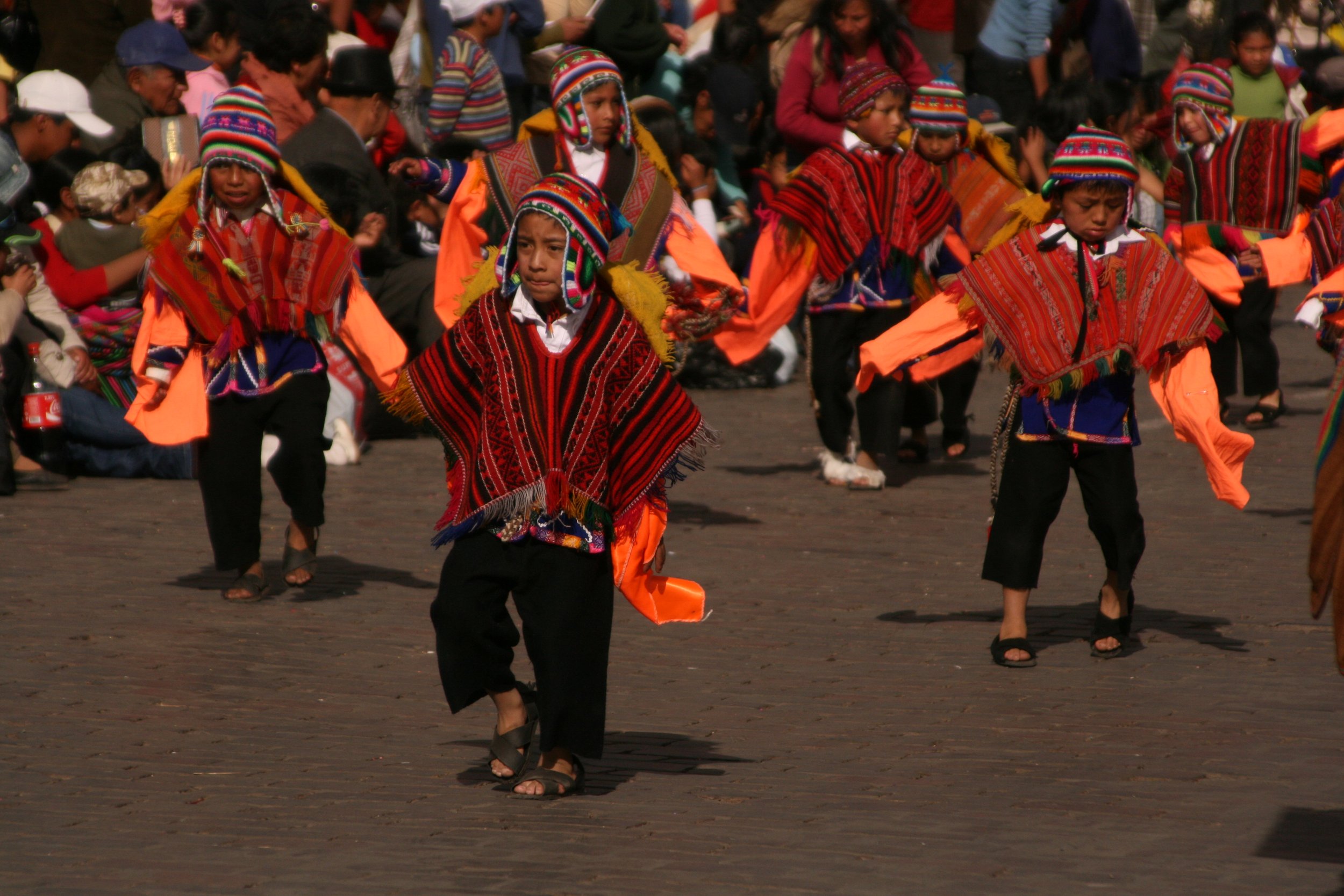
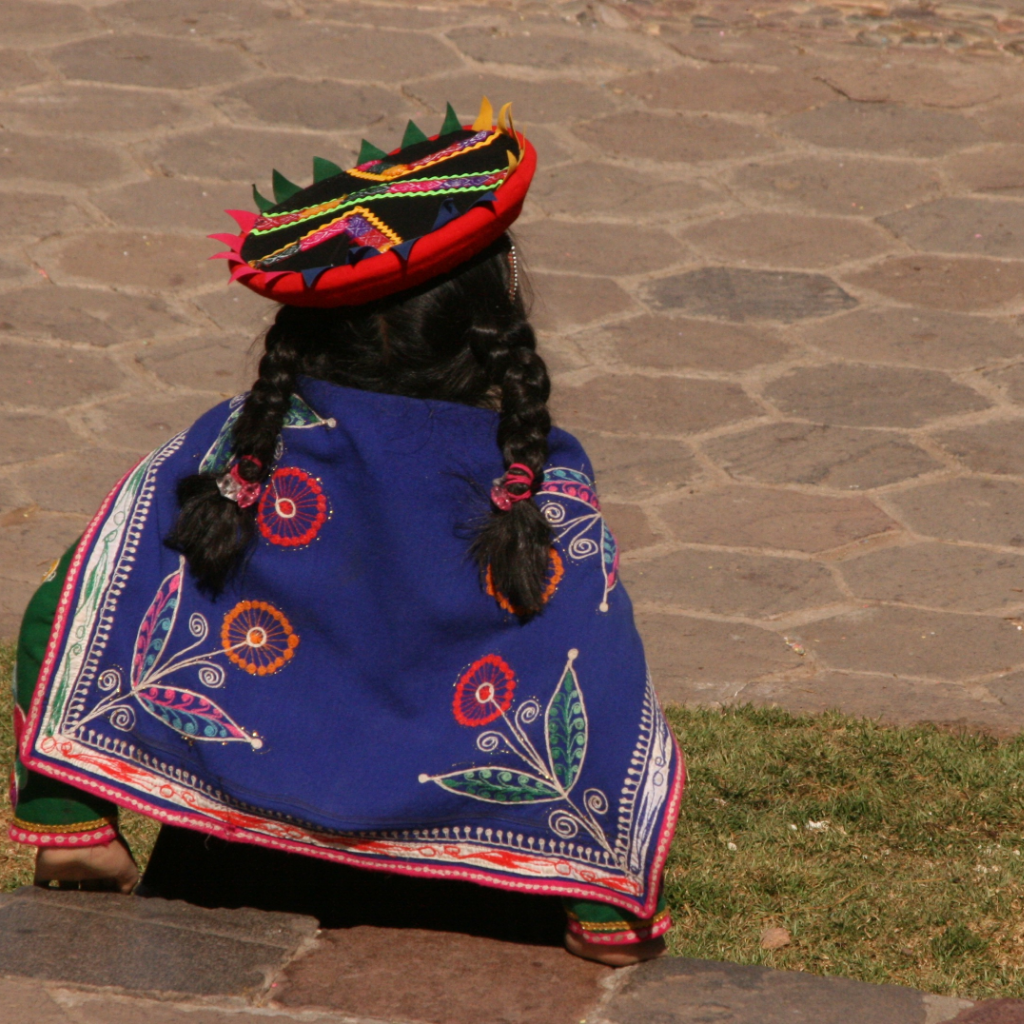
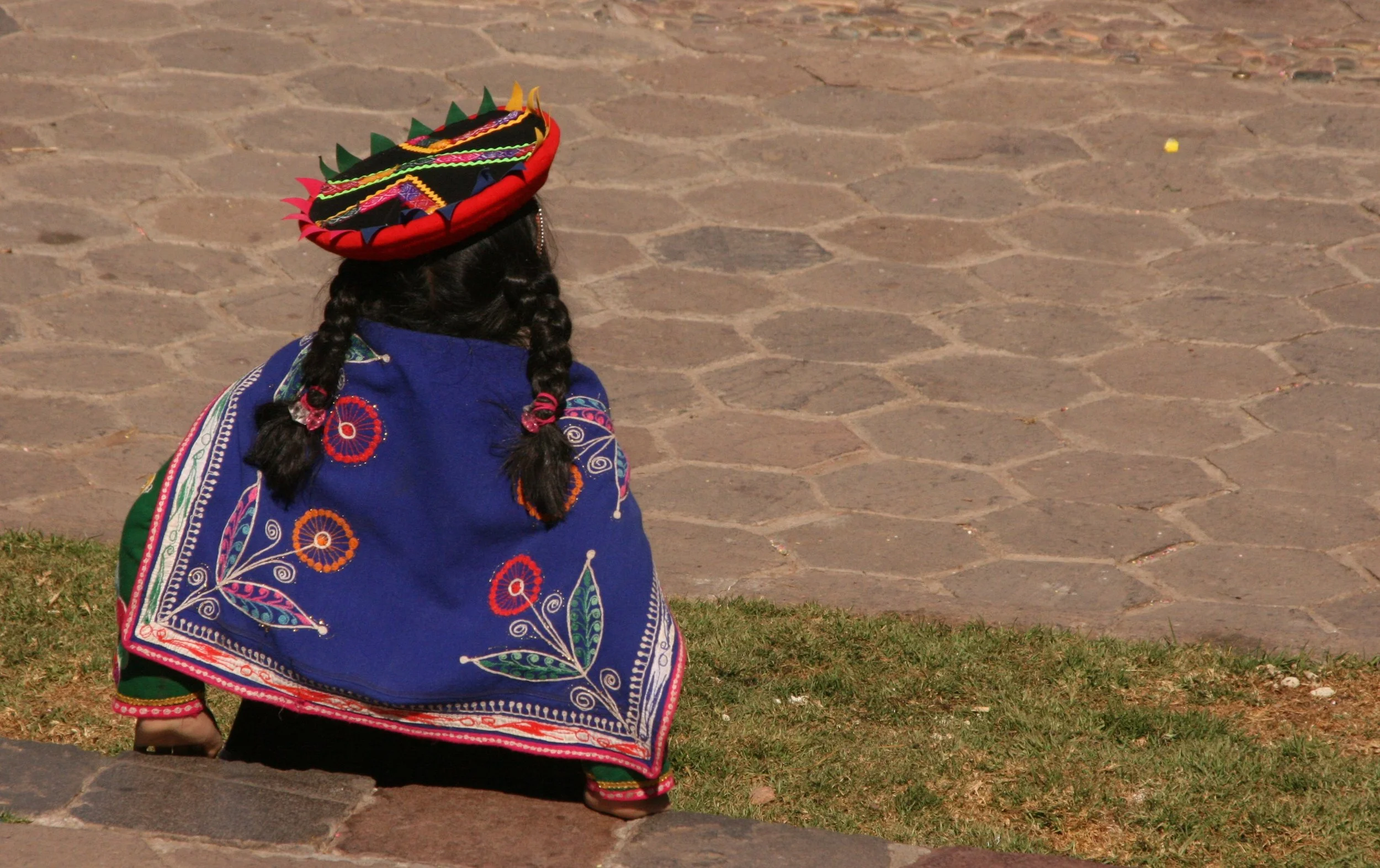
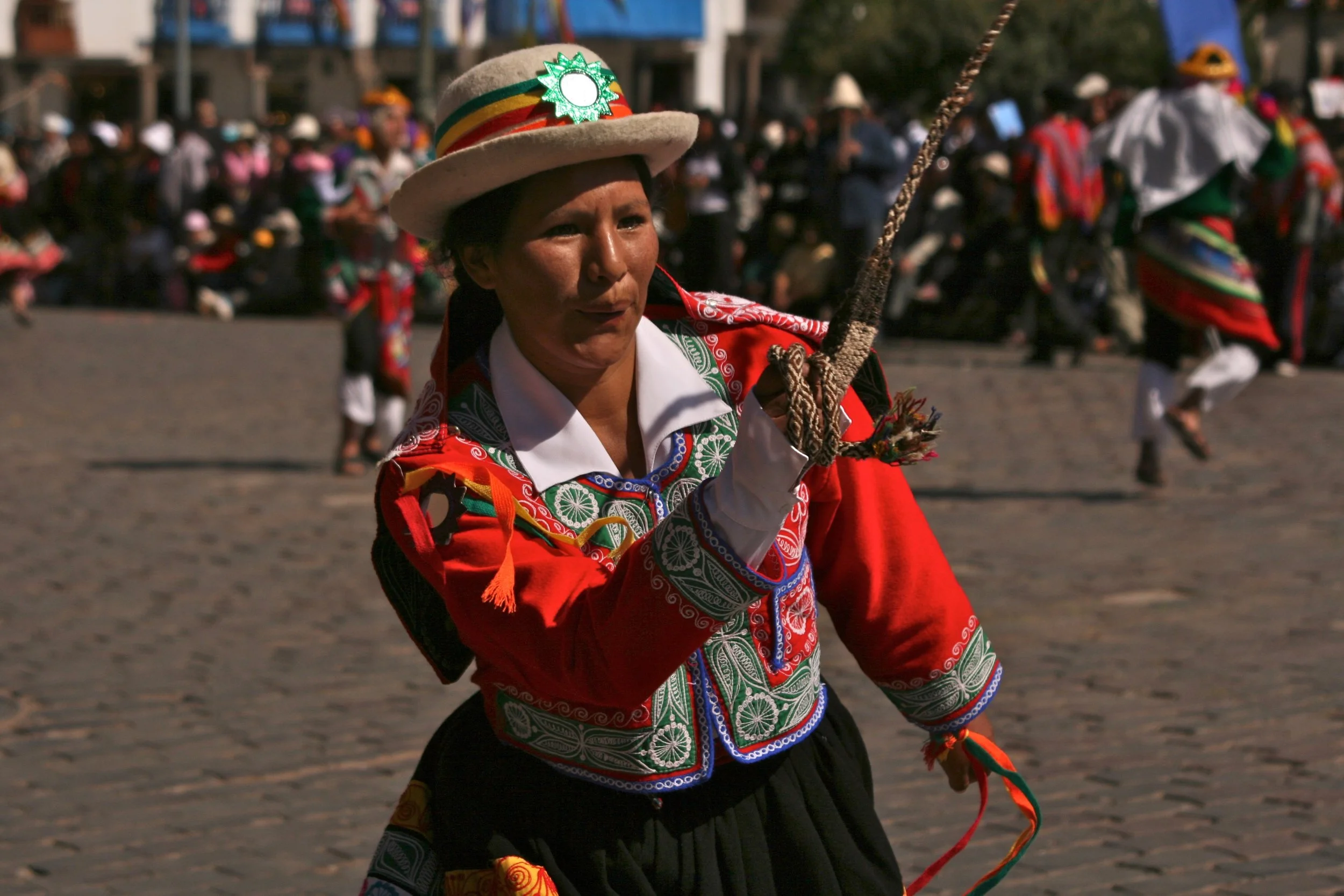
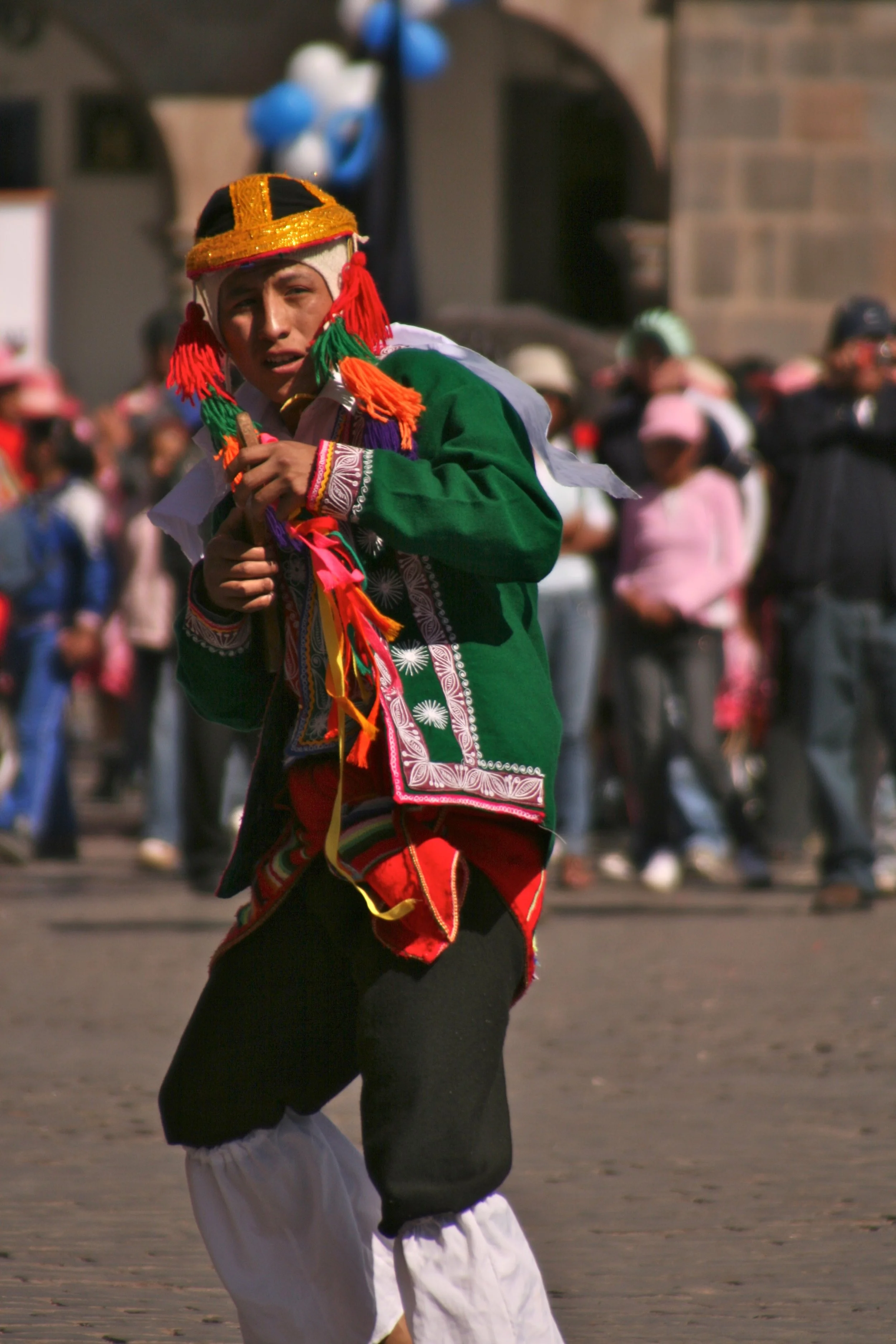
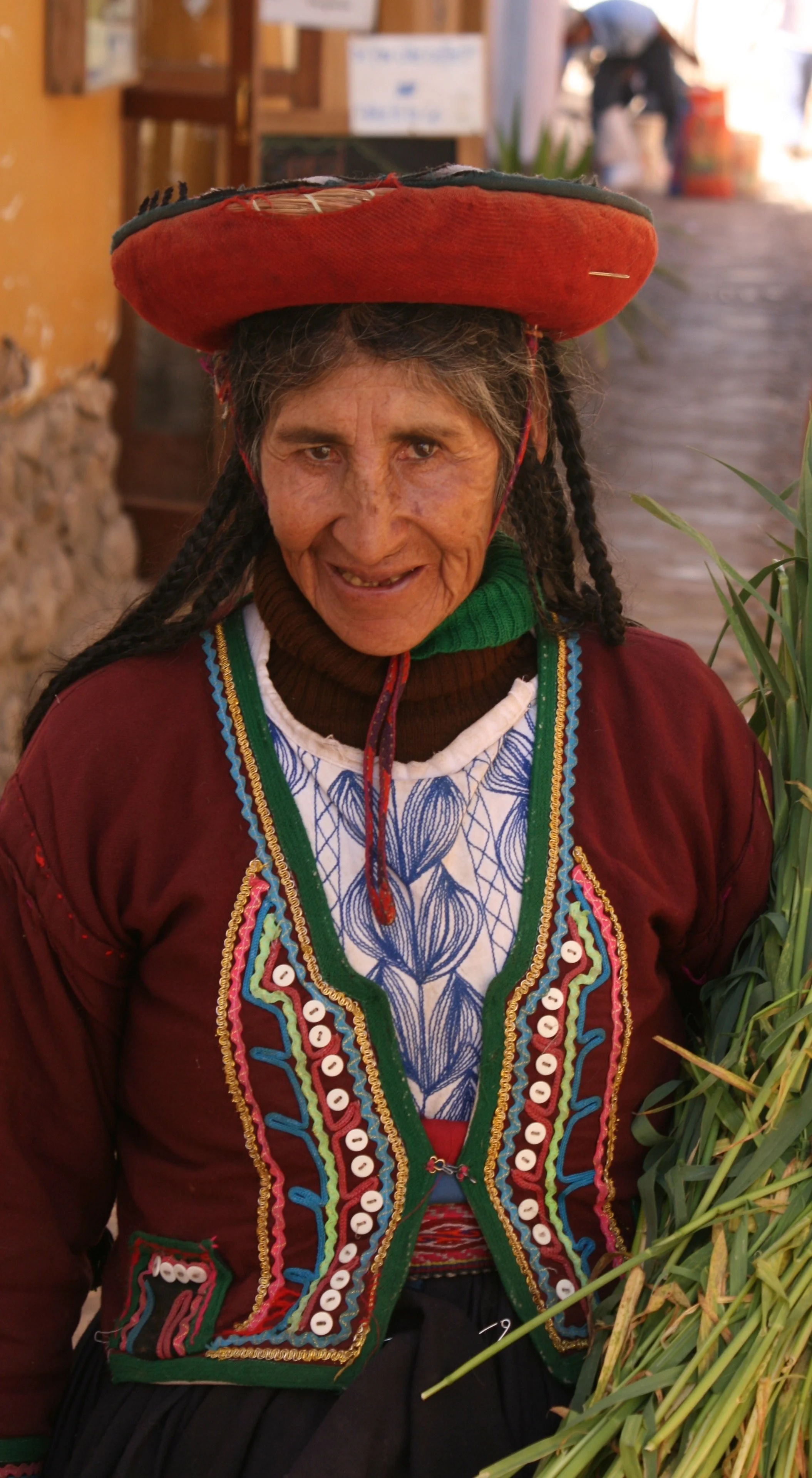
The next morning the protest had given way to something better: a two-day festival in the Plaza, which turned out to be a traditional Peruvian dance competition. Schools and towns performing in full costume, one after another, all day long. We sat and watched for a while before heading to the local market, which is our favorite kind of travel activity anywhere in the world.
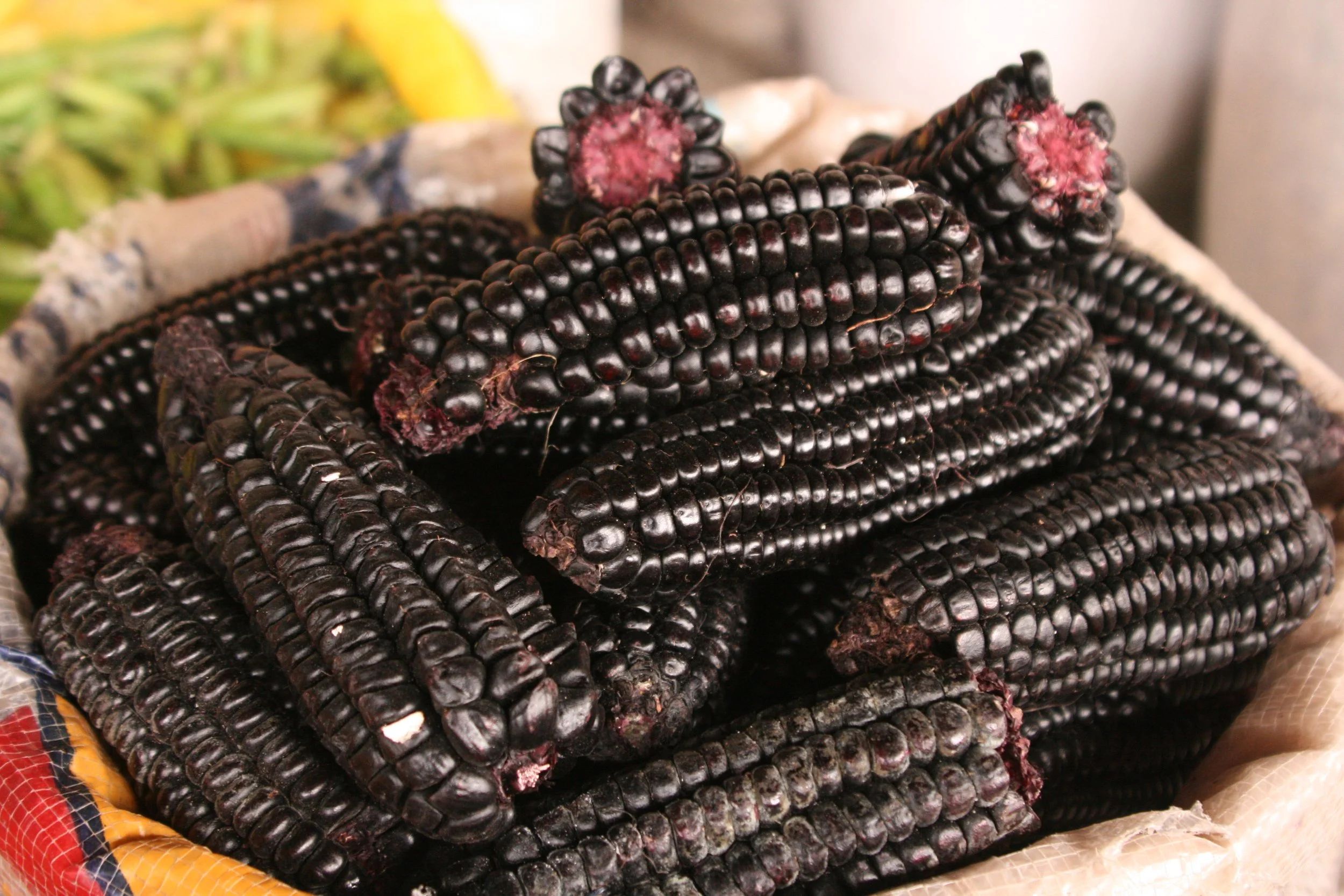
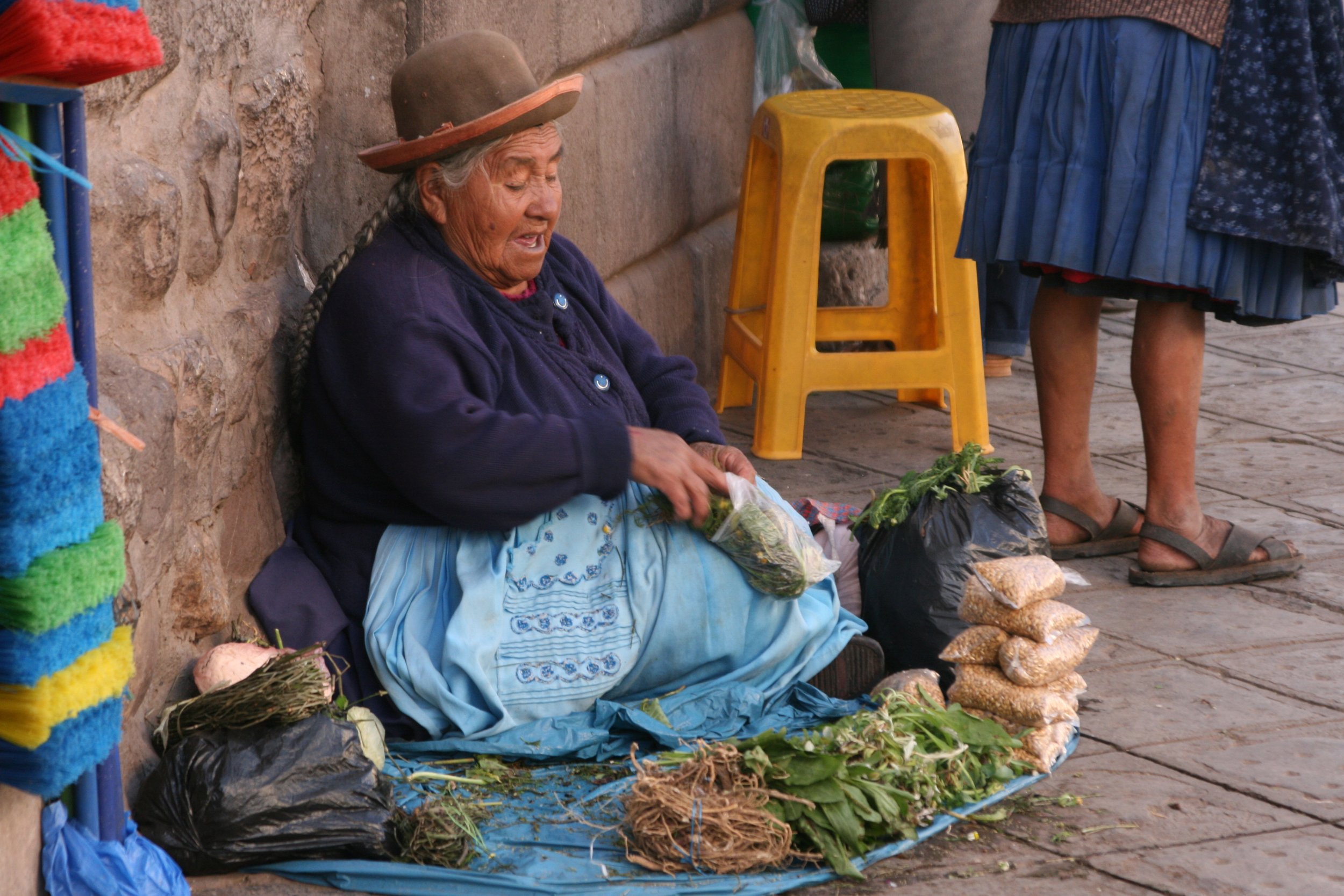
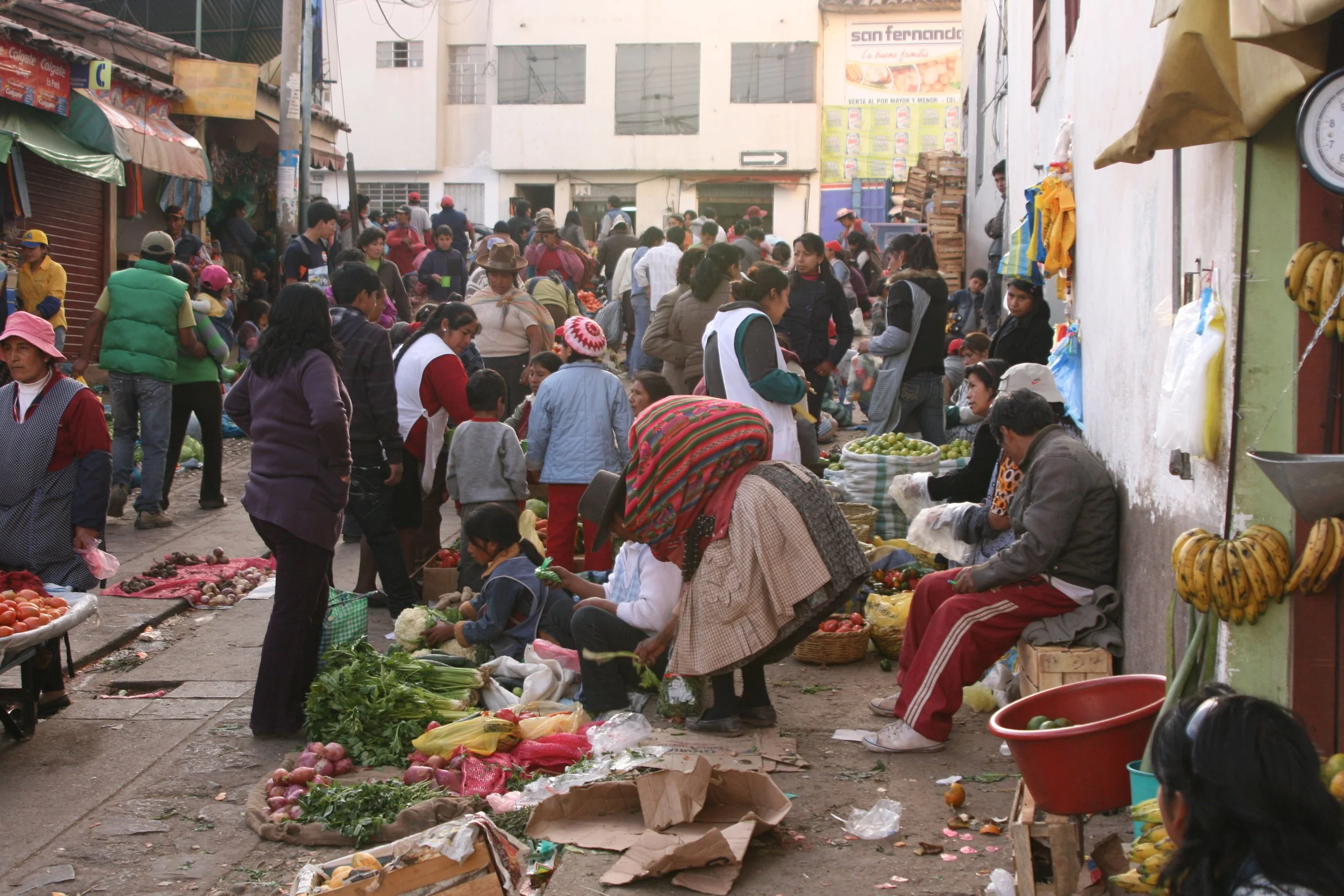
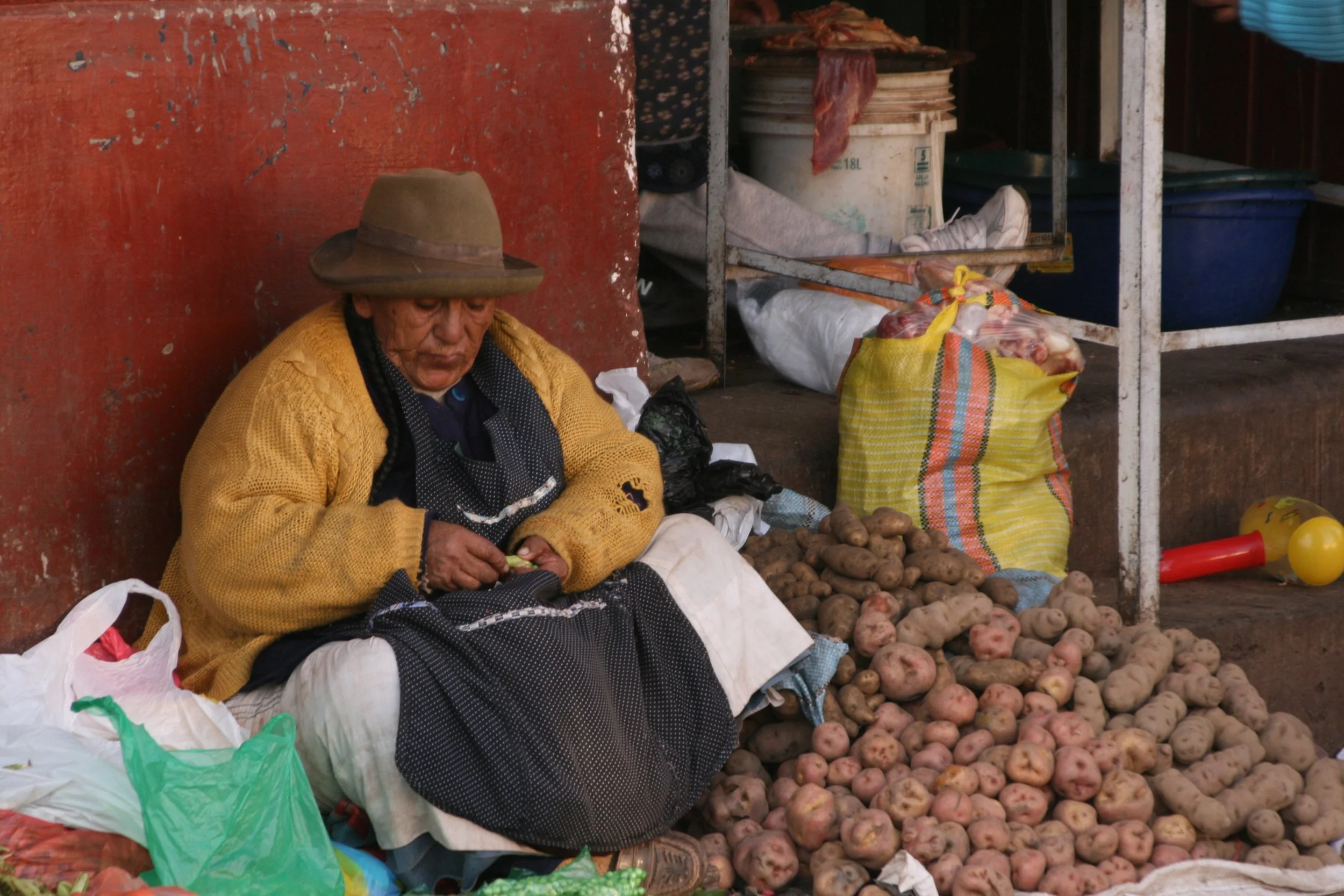
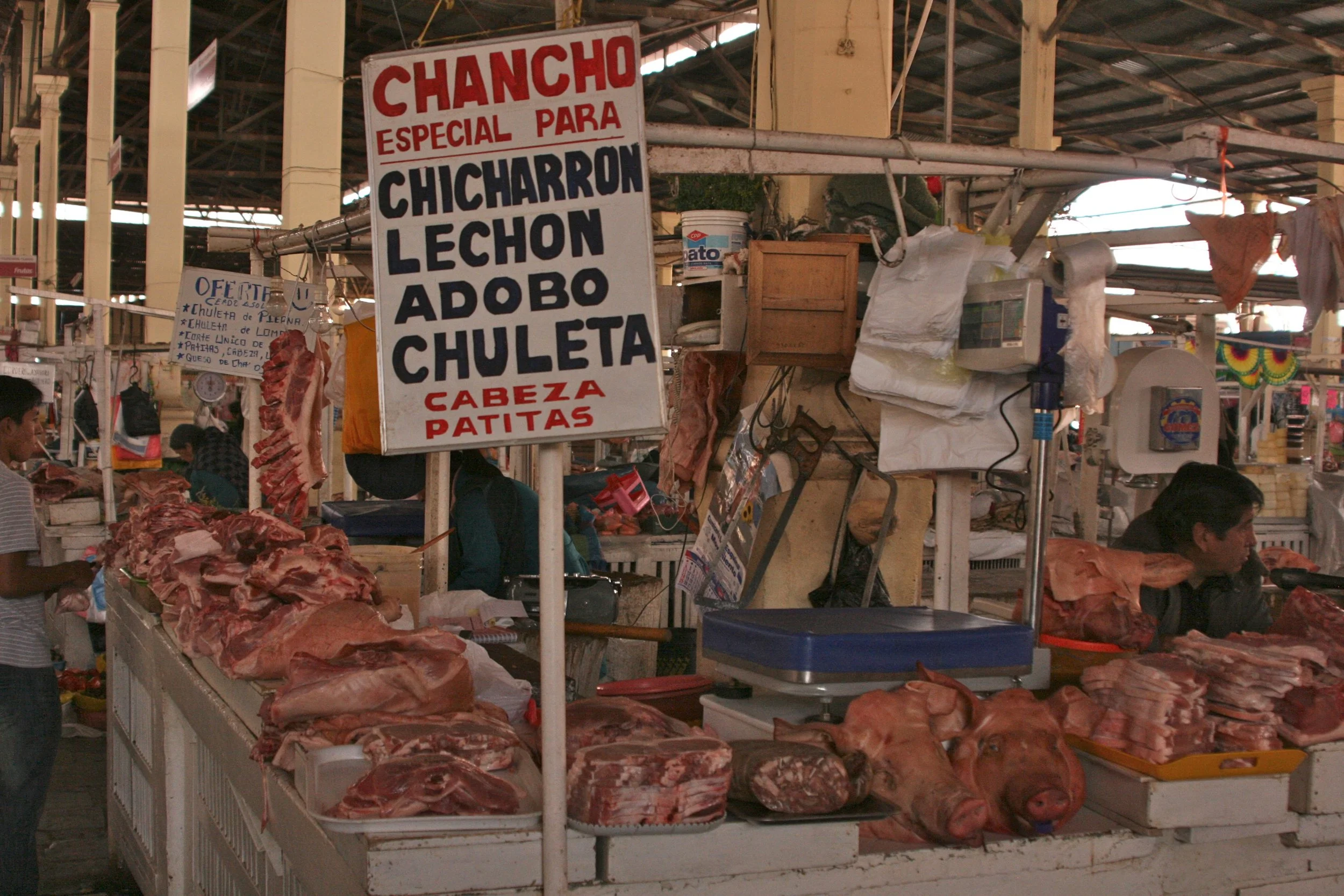
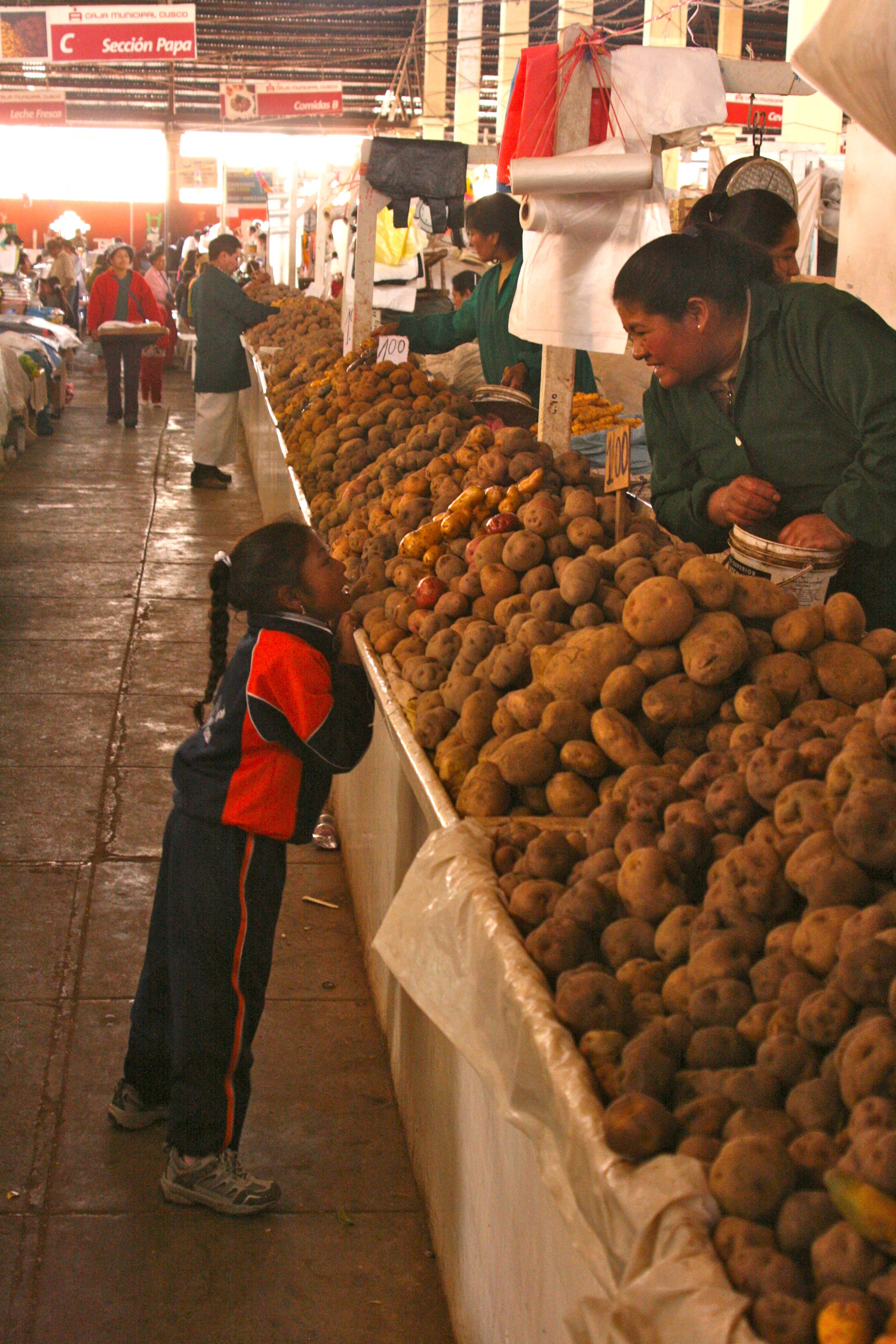
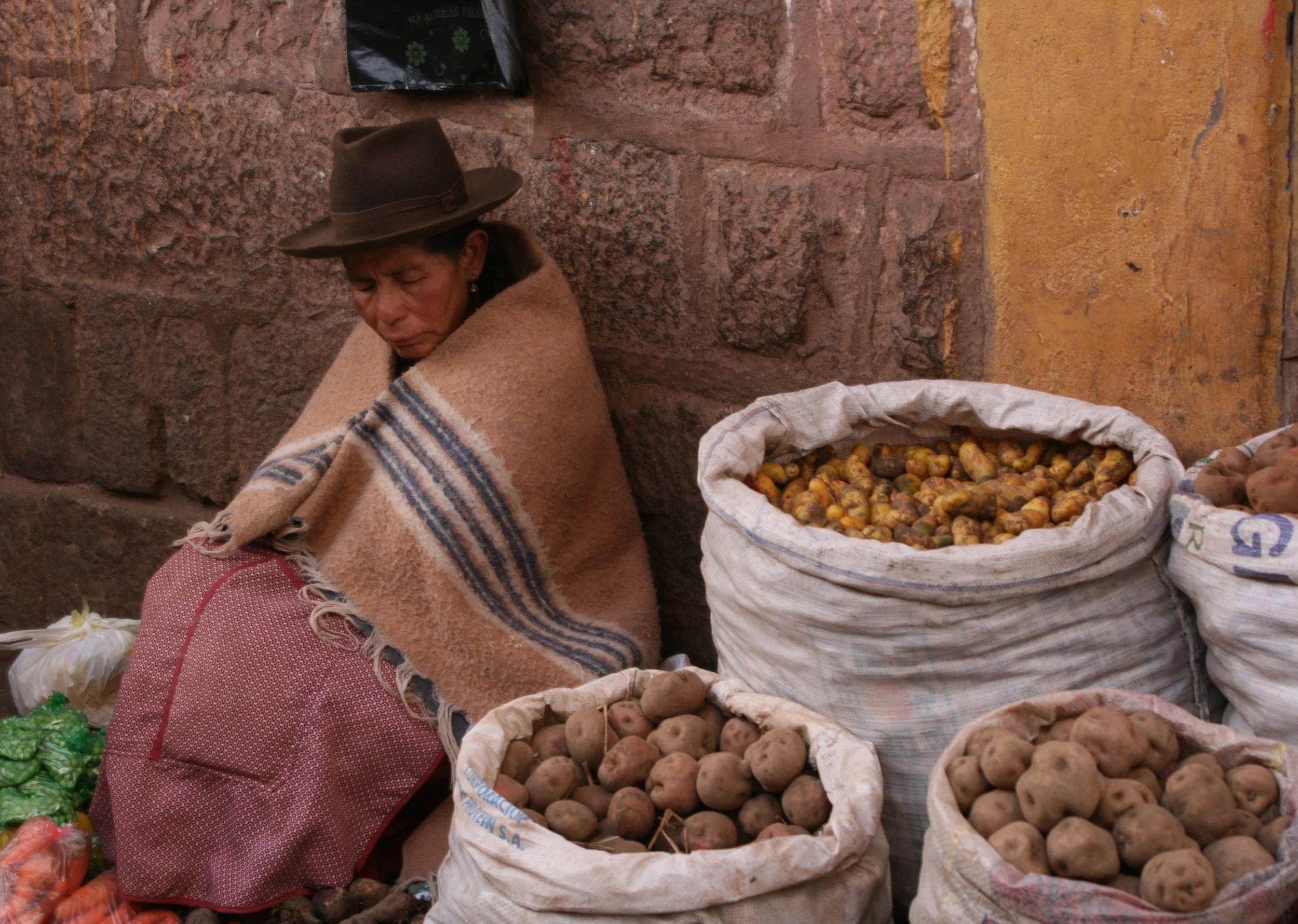
The market in Cusco is where the whole city goes for everything: meat, produce, spices, household needs, all of it under one large roof. Matt was very happy with the photo opportunities, particularly in the "special" section that offered tongues, heads, innards, and fetuses alongside the regular cuts. I found handmade wooden cooking spoons for a dollar each and bought several. Matt found shelled sugar snap peas in large bags for one sole, which converts to about thirty-five cents and which he calculated was roughly the equivalent of ten dollars worth at home. He bought a bag, ate most of it standing there, and went back for another. Outside the market we bought fresh pork rinds (my one guilty admission) and more of the toasted corn we had been obsessed with since Machu Picchu.
Lunch that day at a restaurant owned by a well-known Peruvian chef was our most disappointing meal of the trip. This became a pattern we noticed throughout Peru: restaurants have a tendency to overcook their meat to the point of real toughness, and this was no exception. Peru was wonderful in many ways and is not going to be remembered for its restaurant food, with a few exceptions. The market food, the street food, the home cooking at places like the Green House? Excellent. The restaurant experience was more variable.
Dinner that night at Inka Grill right on the plaza was the exception. Matt ordered alpaca with quinoa, his new food obsession that started in Peru and continued well past the trip, and it was cooked significantly better than any alpaca we'd had elsewhere. They had live music. It was a genuinely nice last full evening.
Our final day I woke up at 5:30 in the morning feeling like I was dying.
Worst headache of my life. Completely dehydrated. What I had been so focused on was making sure Matt was drinking enough water at altitude that I had apparently forgotten to apply that logic to myself. I downed aspirin, drank a full bottle of water, went back to sleep, and woke up feeling exactly as bad. Freezing despite it being a warm day. Zero energy. Zero appetite. Achy in the specific way that feels like every cell in your body is protesting.
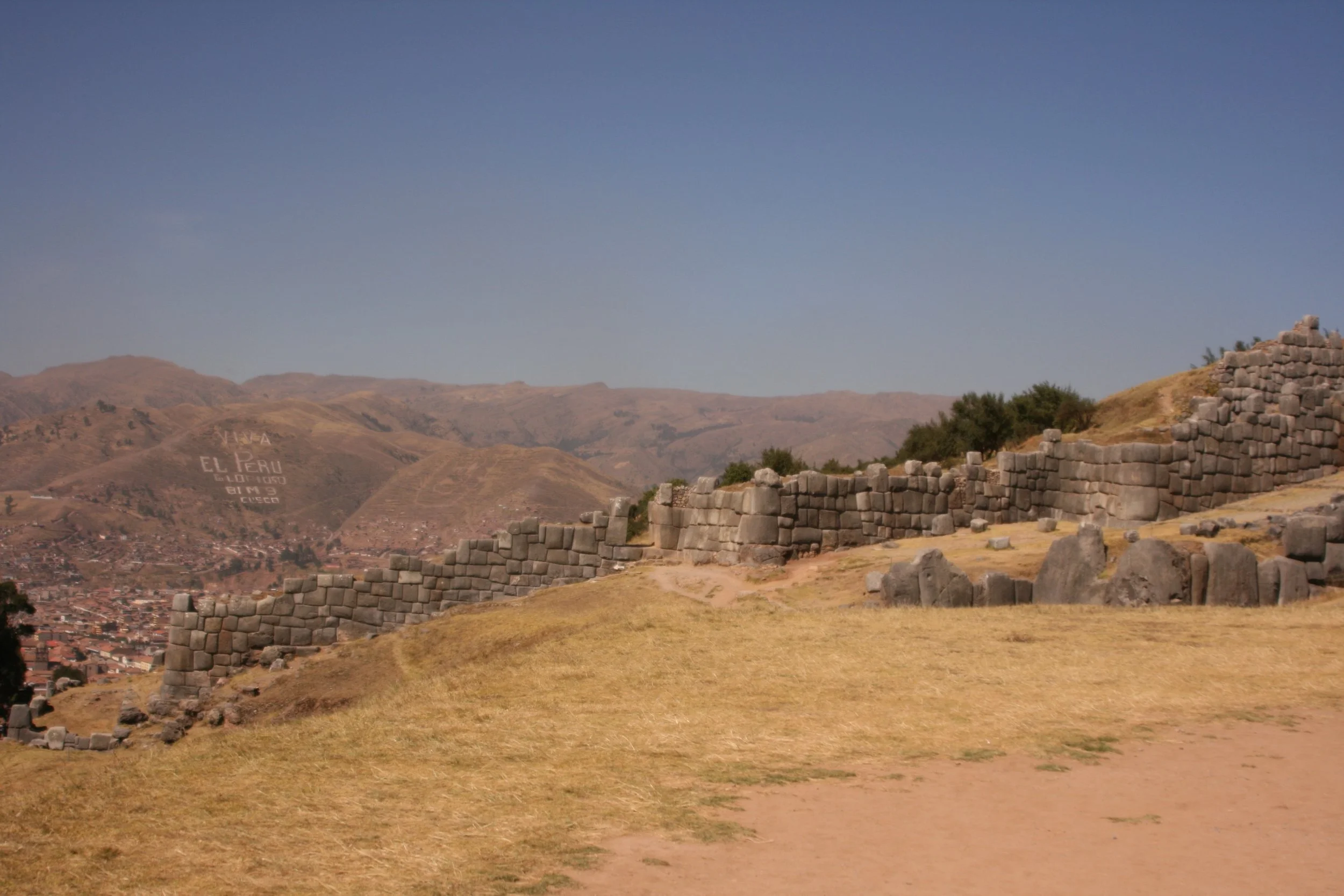
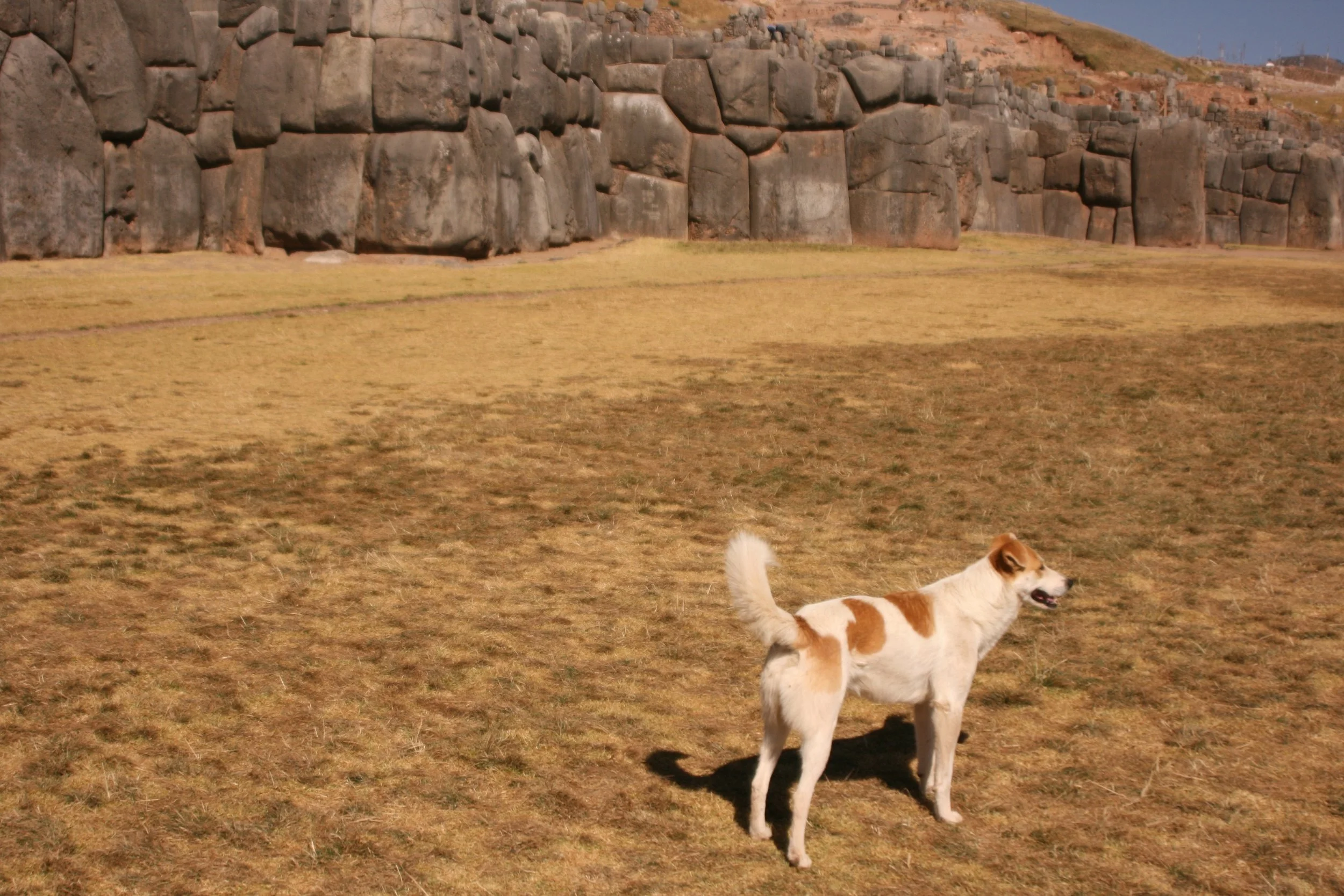
In the true spirit of not letting altitude sickness win on our last day, I rallied and made the hike up to Sacsayhuaman, a massive Incan fortress of enormous stone blocks above the city, visible from almost everywhere in Cusco. This was a straight uphill climb on uneven terrain at already-considerable altitude while fighting what was very possibly a fever. I had to stop constantly. At one point I genuinely wondered if I was going to make it. A stray dog attached himself to us at the base and hiked the whole way up alongside us, sitting with me every single time I stopped, watching me with what I choose to interpret as concern rather than judgment. He stayed with us at the ruins too. We were very bonded by the end.
Matt forced two more bottles of water and Aleve into me at the ruins. I still did not feel better. We took a taxi back down, a decision I made without regret. Matt found me Gatorade. I napped. The hotel owner saw me and said immediately: "altitude." He suggested coca tea. Three or four cups later my headache had actually started to ease. By seven that evening I thought the fever had broken. Not one hundred percent, but better enough to appreciate that the day had not, in fact, killed me.
Matt, meanwhile, having force-hydrated me into basic functionality, spent the afternoon at a second market he found across the street from the first one that was more local and less tourist-facing. No other foreigners, more photo opportunities, more peas. He came home satisfied.
We watched a movie, did not go to dinner, went to sleep.
A few Peru observations that I want to leave on record, because every trip produces them. Restaurants cut their already-thin paper napkins in half or even into quarters. You cannot flush toilet paper down the toilets anywhere except your hotel, everything goes in a waste can next to the toilet, which is a cultural adjustment that you make quickly. The streets of old Cusco are polished stone, worn smooth by years of car traffic, and the slightest moisture makes them genuinely treacherous: we nearly went down several times on small hills. Security officers here whistle constantly and seemingly at nothing in particular, as though the whistling itself is the job. The salt at every restaurant tastes like nothing, which baffled us. The cappuccinos are excellent everywhere, which delighted us. And the urine smell that permeates many streets is a fact of life that a good rain would solve, and which Peru seems in no particular hurry to address.
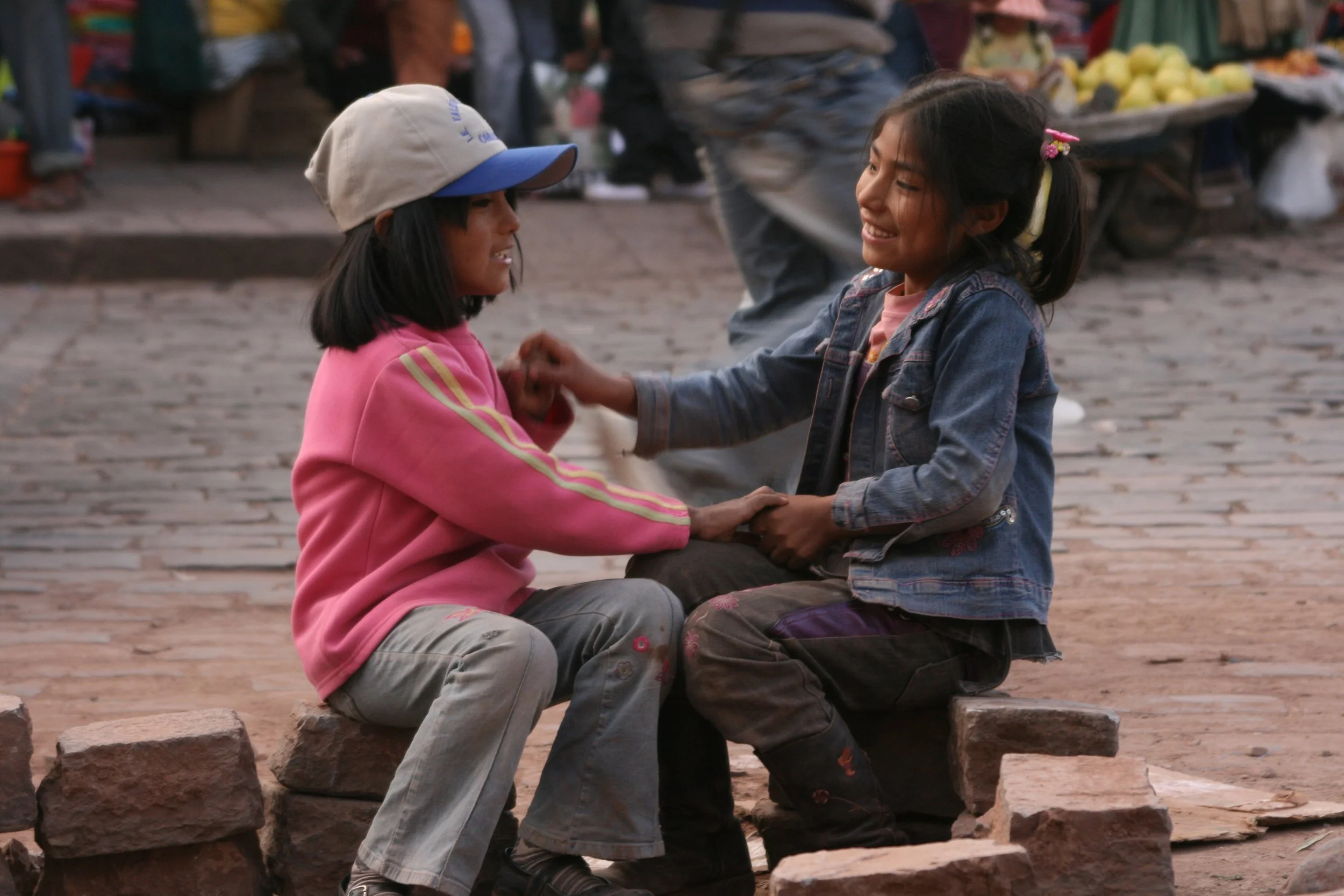
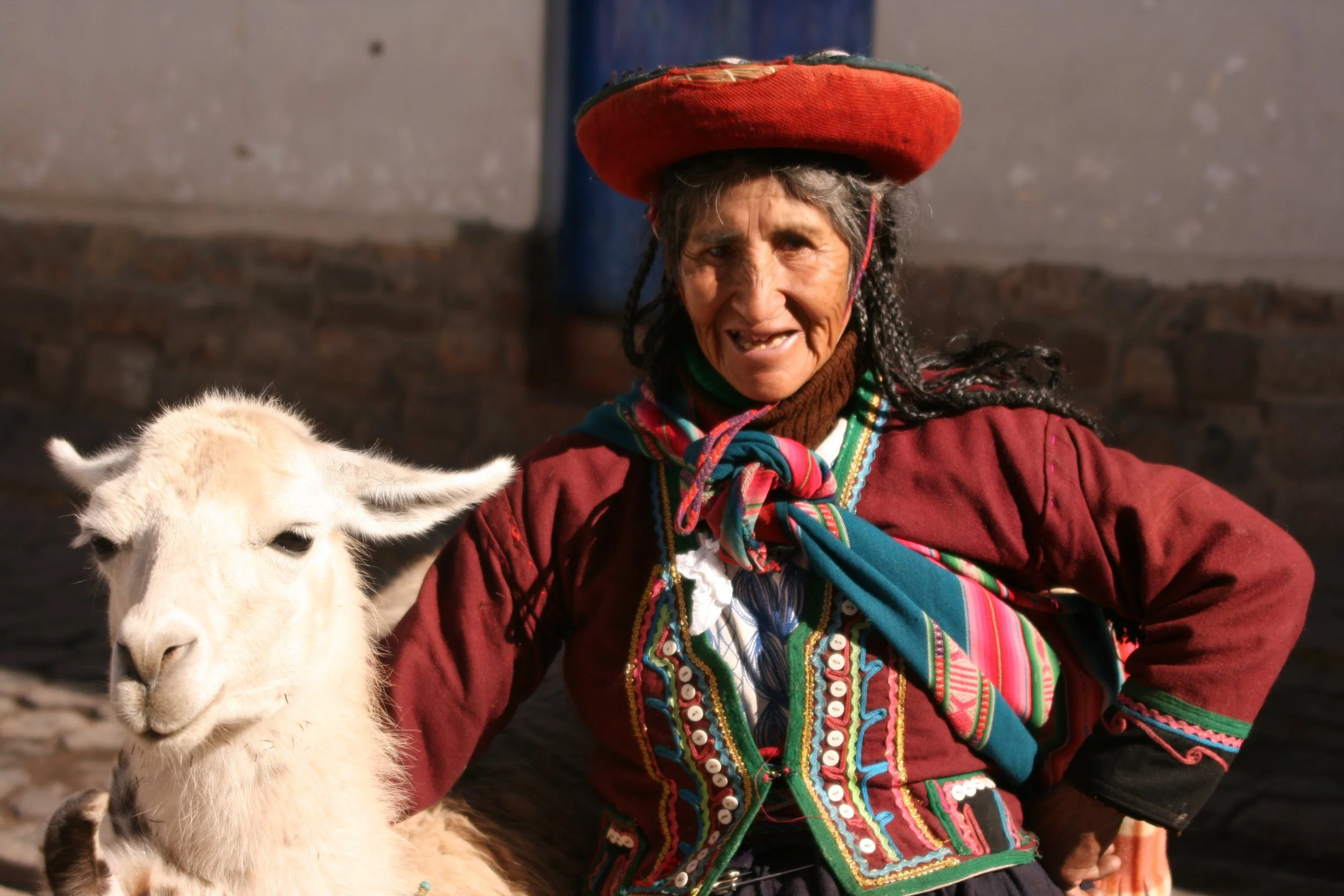
What Peru leaves you with, underneath all of it, is the same thing that every trip like this leaves us with. Gratitude and perspective. Most of the people we met in Peru will never leave their town or their village. What strikes you every time is not the poverty itself but what accompanies it: the friendliness, the pride, the eagerness to help, the genuine happiness in the daily interactions. People who have very little and give what they have freely. That kid who gave me wooden pyramids at Giza. Fahti in Cairo who spent an entire evening showing us his city. The dog who hiked Sacsayhuaman with a sick American woman and stayed beside her every time she needed to stop.
Muchas gracias, Peru. We will not forget you.